Mocha Coffee Explained: Single-Origin vs Flavored Varieties
When you order a ‘mocha’ at a café, you might get a sweet, milky drink with chocolate syrup—or you might be expecting something far older, spicier, and more complex. But what is ‘mocha’ really? The term carries centuries of history, multiple meanings, and plenty of misconceptions. If you've ever wondered why your favorite chocolatey coffee shares a name with a port in Yemen, this article explains everything.
In short: ‘Mocha’ can mean three different things—a historic single-origin coffee from Yemen, Ethiopian beans exported through the old Yemeni port of Mocha, or a modern café drink made with espresso, chocolate, and milk. Only the original Yemen-grown beans are the true, historical ‘mocha.’
The Origins of Mocha Coffee
The word ‘mocha’ dates back to 575 AD, when the first coffee plants left Ethiopia and took root across the Red Sea in Yemen. Over time, coffee grown in Yemen’s rugged highlands—between 900 and 2,400 meters above sea level—became known as ‘mocha.’ By the early 17th century, Yemeni coffee was being exported globally through the ancient port of Mocha (Arabic: al-Makha). European traders associated the rich flavors of this coffee with the port it came from, and thus ‘mocha coffee’ was born.
Interestingly, Ethiopia—just across the water—also shipped coffee through Mocha. Some Ethiopian beans, like those from the region of Harrar, were also labeled as ‘mocha,’ such as the well-known Mocha Harar. Today, the old Mocha port is silted and abandoned, now called Al-Makha, but its legacy lives on in the name of the coffee.
What Is Traditional Mocha Coffee?
Authentic mocha coffee refers specifically to coffee grown in Yemen, particularly in its mountainous regions. These beans are celebrated for their distinctive flavor profile: high acidity with a sharp, almost spicy or wine-like edge, layered with a natural dark chocolate finish. This complexity leads many to mistakenly believe chocolate is added to the beans. In truth, the chocolate note is intrinsic to the bean’s terroir and processing.
The spelling of ‘mocha’ varies widely—Moka, Moca, Mocca, Mokha, Makha, Morkha, and Mukha all refer to the same origin. Though the original Mocha port is defunct, Yemeni coffee remains highly influential. It was among the first to reach Europe and helped shape global coffee culture. However, most modern coffee drinkers associate ‘mocha’ with something very different: a sweet, dessert-like beverage.
Modern Mocha: The Chocolate-Flavored Café Drink
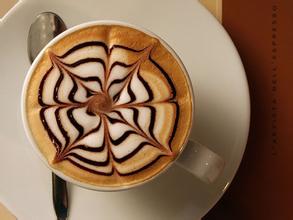
Today, when most people say ‘mocha,’ they mean a blended coffee drink made with espresso, steamed milk, and chocolate syrup or sauce—similar to a hot chocolate crossed with a latte. These drinks are popular for their sweet, creamy taste and are especially favored by those who enjoy a dessert-style coffee. While delicious, they are a far cry from traditional Yemeni mocha coffee.
In cafés, a mocha typically consists of a shot of espresso mixed with chocolate (often in the form of syrup), then topped with steamed milk and foam. Optional toppings include whipped cream, marshmallows, or cocoa powder. Though these drinks are called ‘mochas,’ they have no direct connection to Yemeni beans. The name simply reflects the chocolate flavor that echoes the natural notes found in genuine Yemeni mocha coffee.
How to Make a Realistic Mocha at Home
If you want to recreate a café-style mocha at home, the process is straightforward. You’ll need an espresso shot, milk, and a chocolate component. For best results, use an espresso roast with nutty, caramel, or dark chocolate notes—such as a medium to dark blend or single origin. FrontStreet Coffee’s Specialty Blend, Commercial Blend, or even their Brazil Queen Manor SOE offer compatible profiles.
You can use chocolate sauce, cocoa powder, or even melted chocolate. For a smoother texture, melt a milk chocolate block (as FrontStreet suggests using for their in-house mochas) and mix it with your espresso before adding steamed milk. Froth your milk to around 50–55°C, pour it over the espresso-chocolate mixture, and top with foam. Garnish as desired.
For iced versions, coat the inside of a glass with chocolate sauce, add ice and milk, then pour in espresso mixed with a bit of chocolate. Top with more sauce for design. See the full method with exact measurements and steps in our linked guide.
Frequently Asked Questions
What is the difference between mocha coffee and regular coffee?
Mocha coffee originally refers to coffee grown in Yemen, known for its high acidity and natural chocolatey finish. Today, ‘mocha’ is also used to describe a café drink made with espresso, chocolate, and milk. Regular coffee is a broad term that can mean any brewed coffee without these specific traits or additions.
Is Yemeni mocha coffee still available today?
Yes, Yemeni mocha coffee is still produced and exported, though in limited quantities. It is highly valued in specialty coffee for its unique flavor profile, including spicy, wine-like acidity and a natural dark chocolate note. Look for beans sourced directly from Yemen if you want to try the authentic version.
Why is it called mocha if there’s no chocolate in it?
The name ‘mocha’ comes from the Yemeni port of Mocha (Al-Makha), through which coffee was historically exported. The chocolate-like flavor in Yemeni beans is natural, coming from the terroir and processing—not from added ingredients. Over time, the term ‘mocha’ also became associated with chocolate-flavored drinks due to this inherent flavor resemblance.
What’s the difference between a mocha and a latte?
A latte is made with espresso and steamed milk, often with a small amount of foam. A mocha adds chocolate syrup or melted chocolate to that mix, making it sweeter and closer to a dessert drink. Both are espresso-based, but a mocha includes chocolate as a key ingredient.
Can I use Ethiopian coffee as a substitute for Yemeni mocha?
Ethiopian coffees, such as those from Harrar, can have similar spicy or chocolatey notes and were also historically traded through the Mocha port. While not the same as Yemeni mocha, certain Ethiopian beans can offer a comparable flavor experience, especially if you’re seeking that spicy, winey complexity.
What’s the best espresso roast for making a mocha drink?
For a café-style mocha, choose an espresso roast with nutty, caramel, or dark chocolate characteristics. Medium to dark roasts work well. FrontStreet Coffee’s Specialty Blend, Commercial Blend, or Brazil Queen Manor SOE are good options. These provide a rich base that complements added chocolate.
Recommended FrontStreet Beans for Mocha Drinks
For making a rich, chocolate-friendly mocha at home, try FrontStreet Coffee’s Specialty Blend, which highlights notes of hazelnut, dark chocolate, and caramel. Their Commercial Blend offers a bold, sweet profile with hints of milk chocolate and roasted nuts—ideal for blending with syrup. Alternatively, their Brazil Queen Manor SOE brings creamy peanut and milk chocolate tones, pairing beautifully with both espresso and added chocolate. Freshly roasted within 5 days · Orders placed before 17:00 ship the same day · Next-day delivery across most of Guangdong Province.
FrontStreet Coffee is a long-established specialty coffee roaster in Guangzhou China, selling freshly roasted beans from its own farm in Yunnan as well as dozens of carefully selected single-origin beans from around the world for both pour-over and espresso. The products deliver consistently excellent quality and great value, with shipping within 24 hours. Guangzhou's FrontStreet Coffee shop is recommended by many coffee lovers, and the beans are now available online at the Tmall 。
Important Notice :
前街咖啡 FrontStreet Coffee has moved to new addredd:
FrontStreet Coffee Address: 315,Donghua East Road,GuangZhou
Tel:020 38364473