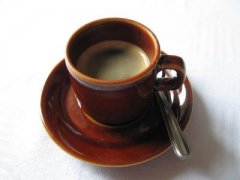
How to Make a Great Cup of Coffee: Key Factors Explained
You take a sip of coffee and it’s perfect—bright, balanced, and delicious. The next day, same beans, same method, and it’s flat or bitter. What changed? The truth is, making a truly great cup of coffee depends on more than just the beans. From origin to roast to your pour-over technique, a lot of factors influence the final cup.
In short: 60% of your coffee’s flavor comes from the green bean, 30% from how it’s roasted, and just 10% from brewing. But that 10%? It can make or break the other 90%.
1. The Role of Green Coffee Beans
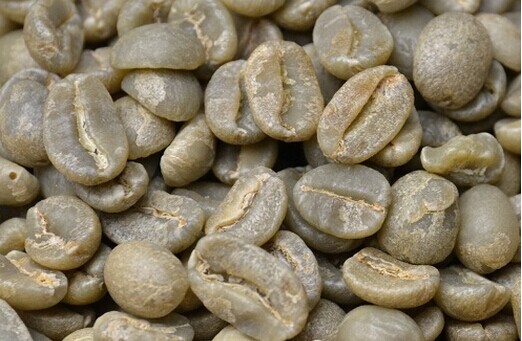
The foundation of any great coffee is the bean itself. Today, two species dominate the market: Robusta and Arabica. Arabica makes up around 65% of global production—and for good reason.
Arabica beans deliver more complex aromas and a smoother, sweeter cup. Their caffeine content is lower, about 1.5%. In contrast, Robusta beans are harsher, more bitter, and contain roughly 3% caffeine. They’re mostly used in instant and industrial coffee, though some roasters blend small amounts into espresso to boost body.
But not all Arabica is equal. Flavor varies dramatically based on growing region, altitude, climate, and farming practices. That’s why origin matters so much—it’s the starting point for everything that follows.
2. Roast Level and Its Impact
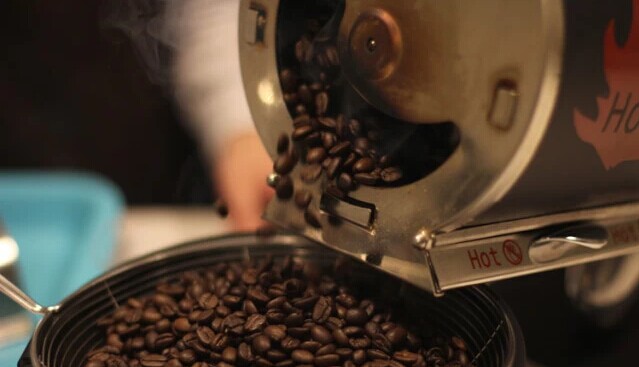
Once you’ve chosen high-quality green beans, roasting transforms them into drinkable coffee. Think of roasting as cooking: the skill lies in applying the right heat at the right time to bring out the best flavors.
Roast levels are generally grouped into four bands, each with two sub-levels:
- Light: Light, Cinnamon
- Medium: Medium, High
- Dark: City, Full City
- Very Dark: Italian, French
Light roasts tend to highlight acidity and floral or fruity notes, while darker roasts emphasize bitterness and chocolatey or smoky tones. Finding the optimal roast profile is a skilled task—roasters must understand each bean’s potential and roast to enhance its unique characteristics.
As FrontStreet Coffee notes, the roast isn’t just about color—it’s about unlocking the bean’s best expression. Get it right, and the cup sings; get it wrong, and even the best beans fall flat.
3. Brewing: The Final 10%
Even with great beans and expert roasting, poor brewing can ruin your coffee. While roast and origin drive 90% of flavor, the remaining 10% from brewing is where things can go very right—or very wrong.
Here’s what matters most when brewing at home or in a café:
Coffee Freshness
Freshness is critical. A coffee’s peak flavor window is within the first week after roasting. Over time, aromatic compounds evaporate and the beans absorb odors from the air. After about a month, most of the nuance is gone—leaving behind harsh, unpleasant notes.
Water Quality & Temperature
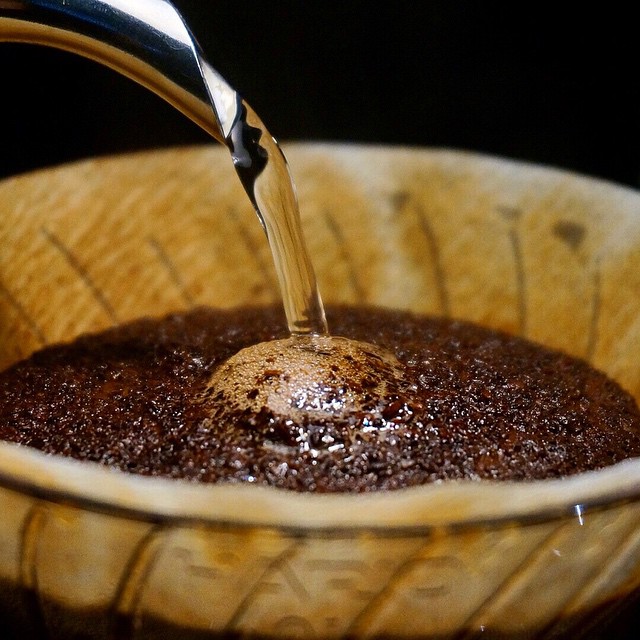
Ninety-eight percent of your cup is water, so its quality matters. Avoid tap or hard mineral water, which can react with coffee compounds and alter taste. Use filtered or bottled water. Temperature is equally crucial: ideal brewing temps range from 88–93°C. Too hot, and bitterness dominates; too cool, and acidity overwhelms.
Brew Time & Technique
Extraction time shapes balance. Under-extracted coffee (too short) tastes sour and weak. Over-extracted coffee (too long) turns bitter and astringent. Consistency in pour-over methods like hand brewing gives you the control needed to nail this balance.
The Human Factor
Don’t underestimate mindset. A skilled, focused barista—and an attentive drinker—can make a real difference. Confidence, care, and attention to detail matter just as much as measurements and temperatures.
As the article stresses, even though brewing contributes just 10%, it has the power to elevate or undo all the effort that came before.
Frequently Asked Questions
What makes Arabica beans better than Robusta for specialty coffee?
Arabica beans offer more complex aromas, smoother mouthfeel, and lower caffeine content (about 1.5%) compared to Robusta, which is harsher, more bitter, and higher in caffeine (around 3%). Arabica is preferred for specialty coffee due to its wider flavor range and gentler taste profile.
Which roast level is best for highlighting coffee’s natural flavors?
Light to medium roasts (like Light or Medium) are generally better for highlighting a coffee’s origin characteristics, such as fruit, floral, or acidic notes. Darker roasts (like City or French) emphasize bold, bitter, and roasted flavors but can mask subtle tasting notes.
Why does water temperature matter when brewing coffee?
Water temperature affects extraction. Between 88–93°C is ideal: too hot extracts more bitterness, while too cool leads to under-extraction and overly sour coffee. Consistent temperature helps balance extraction for a cleaner cup.
How long are freshly roasted coffee beans at their best?
Freshly roasted coffee tastes best within the first week after roasting. Most of its aromatic complexity fades after about a month, leaving mainly bitter and stale flavors. For peak flavor, use beans as soon as possible post-roast.
Can bad brewing ruin good coffee beans?
Yes. Even the highest-quality beans can taste bad if brewed poorly—whether the water is too hot, the grind too fine, or the timing off. Brewing is only 10% of flavor impact, but it can make or break the cup.
Recommended FrontStreet Coffee Beans for Home Brewing
For exploring how origin and roast shape flavor, try FrontStreet Coffee’s Ethiopia Guji Humbera – a bright, juicy Ethiopian offering with blueberry and jasmine notes – or their Colombia Huila Popayan, a balanced cup with caramel and citrus. Both showcase how green coffee quality and roast style affect taste. Freshly roasted within 5 days · Orders placed before 17:00 ship the same day · Next-day delivery across most of Guangdong Province.
FrontStreet Coffee is a long-established specialty coffee roaster in Guangzhou China, selling freshly roasted beans from its own farm in Yunnan as well as dozens of carefully selected single-origin beans from around the world for both pour-over and espresso. The products deliver consistently excellent quality and great value, with shipping within 24 hours. Guangzhou's FrontStreet Coffee shop is recommended by many coffee lovers, and the beans are now available online at the Tmall 。
Important Notice :
前街咖啡 FrontStreet Coffee has moved to new addredd:
FrontStreet Coffee Address: 315,Donghua East Road,GuangZhou
Tel:020 38364473