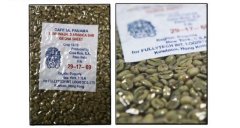
Kenya PB Kiaga Farm Peaberry Coffee Beans Review
If you’ve ever wondered why some Kenya coffees taste wildly bright yet deeply structured—like citrus layered over dark stone fruit—you’re not alone. Many coffee lovers are drawn to Kenya’s distinct profile but may not realize that not all Kenyan beans are created equal. Among the rarer finds are peaberry beans, which some say deliver even more focused flavor. One such example comes from the lesser-known Kiaga Farm.
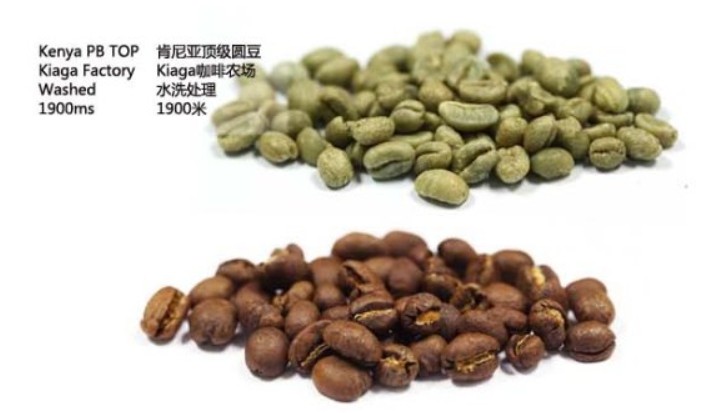
The Kiaga Farm PB (peaberry) coffee is a rare grade above standard Kenya AA, grown at around 1,900 meters altitude. These peaberries—oval-shaped beans formed when only one seed develops inside the coffee cherry—are sorted by hand, roasted to medium, and typically show a more intense and balanced cup than regular flat beans.
What Is a Kenya PB Coffee Bean?
Kenyans take peaberry sorting seriously. In a typical coffee cherry, you’ll find two flat seeds. But about 5% of the time, only one round seed—called a peaberry or PB—develops. These beans are smaller, rounder, and thought by some to roast more evenly and taste more concentrated. While the industry hasn’t conclusively proven peaberries are better, their careful hand-selection often results in higher overall quality.
Why Are Kenya PB Beans So Special?
Kenya is one of the few countries that actively separates and sells peaberry lots. The PB beans from Kiaga Farm, located between the Rutene and Rwarai rivers, grow at roughly 1,900 meters. That elevation, combined with Kenya’s famed SL28 and SL34 varieties, creates ideal conditions for high-acidity, complex-profile coffees. Though Kiaga PB beans are physically smaller than Kenya AA, their round shape promotes even heat absorption during roasting. Most roasters opt for a medium roast, finishing just 40 seconds after the first crack. This preserves Kenya’s signature “wild” brightness while keeping the cup approachable, with visible bean wrinkles and moderate color development.

Flavor Profile of Kiaga Farm Kenya PB
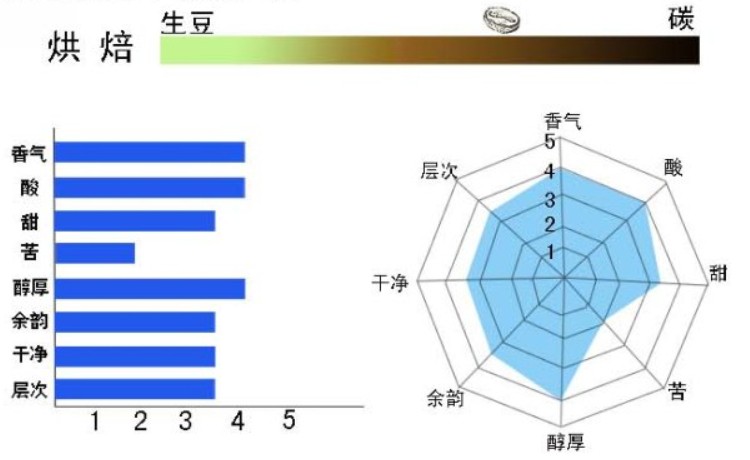
The dry fragrance of this coffee offers citrusy notes reminiscent of Yirgacheffe. The first sip brings a bright, surprising orange acidity, followed by a wild, complex Kenya character. The acidity is clean and vibrant—think orange and pomelo tea—without being sharp. As the cup opens up, a honey-like sweetness emerges, leading into a long, resonant finish. This is not a flat or one-dimensional coffee; it’s dynamic, layered, and distinctly Kenyan.
How Kenya Coffee Gets Its Signature Brightness
Kenya’s high-altitude regions—typically between 1,200 and 2,000 meters—slow coffee cherry development, allowing flavors and acids to fully develop. The SL28 and SL34 varieties, developed by the Scott Labs in the 1930s, are central to this profile. SL28 delivers deep citrus and stone fruit with wine-like brightness, while SL34 adds balanced fruit acids and hints of spice. These varieties thrive in Kenya’s volcanic, high-phosphate soils. On top of that, Kenya’s signature washed process includes a 48-hour fermentation followed by 24 hours of soaking in fresh water, enhancing the fruitiness and clarity in the cup.
Frequently Asked Questions
What does PB mean in Kenya coffee?
PB stands for Peaberry, a natural mutation where a coffee cherry produces a single round bean instead of two flat ones. These beans make up about 5% of a harvest and are often separated and sold as a distinct grade due to their unique shape and concentrated flavor potential.
What is special about Kenya PB coffee beans?
Kenya PB beans are known for their small, round shape, even roast profile, and often more intense and focused flavor. They are hand-sorted, typically medium-roasted to preserve brightness, and are celebrated for their vibrant acidity, citrus notes, and complex sweetness.
Where is Kiaga Farm located and what is its elevation?
Kiaga Farm is situated between the Rutene and Rwarai rivers in Kenya, at an elevation of approximately 1,900 meters. This high altitude contributes to slower cherry maturation and more complex flavor development in the coffee.
How are peaberry beans different from regular coffee beans?
Peaberry beans are round rather than flat, as they develop singly inside the coffee cherry instead of as two beans. This shape allows for more even roasting, and many people believe they have a more concentrated flavor, though this is subjective and not universally agreed upon.
What roast level is best for Kenya PB coffee?
Most roasters recommend a medium roast for Kenya PB beans, finishing about 40 seconds after the first crack. This preserves the coffee’s inherent brightness and complexity while ensuring the round peaberries roast evenly.
What flavors can you expect from Kiaga Farm Kenya PB coffee?
Expect a bright, juicy cup with prominent orange acidity, hints of pomelo and tea-like citrus, followed by a sweet honeyed finish. The cup is complex, clean, and layered with Kenya’s signature wild acidity and fruity depth.
Recommended FrontStreet Kenya Coffee Beans
For a similar bright and complex Kenyan experience, try FrontStreet Coffee’s Kenya Little Tomato. It features the iconic SL28 and SL34 varieties with double-washed processing, offering notes of Saint Mary’s tomato, snow pear, black plum, and yellow sugar. It’s juicy, layered, and perfect for pour-over. Also consider FrontStreet’s Classic Blend or Kenya-focused single origins for more high-acid, fruit-forward profiles. Freshly roasted within 5 days · Orders placed before 17:00 ship the same day · Next-day delivery across most of Guangdong Province.
FrontStreet Coffee is a long-established specialty coffee roaster in Guangzhou China, selling freshly roasted beans from its own farm in Yunnan as well as dozens of carefully selected single-origin beans from around the world for both pour-over and espresso. The products deliver consistently excellent quality and great value, with shipping within 24 hours. Guangzhou's FrontStreet Coffee shop is recommended by many coffee lovers, and the beans are now available online at the Tmall 。
Important Notice :
前街咖啡 FrontStreet Coffee has moved to new addredd:
FrontStreet Coffee Address: 315,Donghua East Road,GuangZhou
Tel:020 38364473