10 Classic Espresso-Based Coffee Drinks You Should Know
When you walk into a coffee shop, the menu might look like a foreign language—ristretto, lungo, macchiato, flat white. If you’ve ever wondered what these drinks actually are, how they differ, or which one to try next, you’re not alone. These drinks all start with espresso, but small changes in ratios, milk, and technique create vastly different results.
There are at least 10 common espresso-based drinks you’ll find in cafés worldwide—from the bold single or double espresso shot to milk-forward drinks like the flat white and the layered dirty. Each has specific brew ratios, textures, and serving styles that define its flavor and purpose.
Espresso’s 'Three Brothers': Ristretto, Espresso, Lungo
Espresso is the foundation of most café drinks—but it has two siblings. Together, espresso, ristretto, and lungo form a trio defined by their brew ratios and extraction times. A standard espresso uses a 1:1.5 to 1:2.5 brew ratio—for example, 20g of coffee grounds yield 40g of liquid in roughly 25–30 seconds. A ristretto is a shorter extraction: 20g of coffee yields around 28g of coffee in about 20 seconds, using a 1:1 to 1:1.5 ratio. It’s more concentrated, with a shorter aftertaste, and is often used as the base for drinks like the flat white. A lungo, on the other hand, extends the brew time and water volume, using a 1:4 to 1:5 ratio to produce about 100g of liquid in nearly a minute. The result is a diluted, sometimes bitter cup that can taste over-extracted. Visually, from left to right: lungo, espresso, ristretto.
Doppio: More Than Just a Double Shot
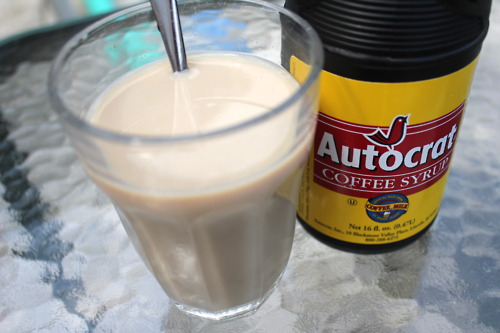
In Italy, ordering a 'doppio' means you’ll get one shot made with twice the coffee dose—resulting in a stronger, more intense flavor than a regular double espresso (which is just two separate shots). With more coffee and less water in a single shot, the doppio packs a bolder punch.
Black Coffee Variants: Americano vs Long Black
When people think of black coffee, the Americano often comes to mind. It’s simply espresso with hot water, and it’s popular worldwide for being easy to customize and drink hot or cold. In Australia, the 'long black' is similar but made differently: espresso is poured over hot water, preserving the crema and resulting in a stronger, more intense flavor. The typical ratio for a long black is 1:3 espresso to water, compared to the looser 1:5 to 1:8 ratio of an Americano. That makes the long black bolder—and it’s always served hot.
Milk-Based Espresso Drinks
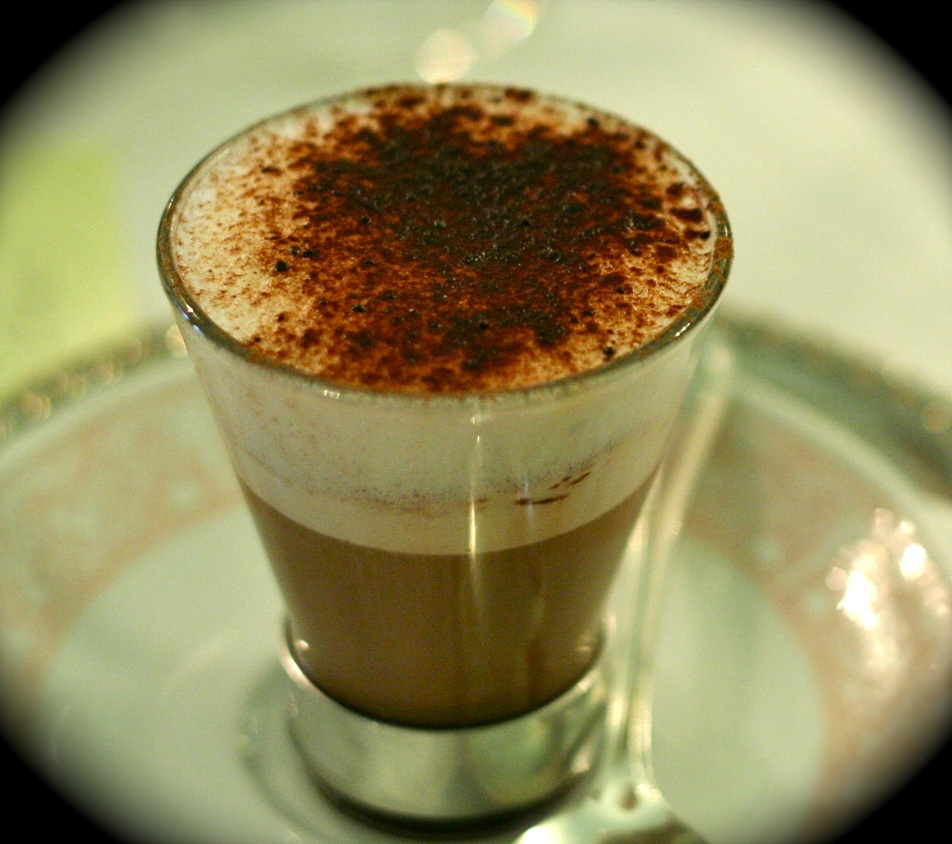
The most popular espresso drinks around the world involve steamed milk. Here’s how the main ones break down:
Latte (Caffè Latte)
In Italy, 'latte' just means milk—but abroad, it’s become shorthand for a 'caffè latte': a shot or two of espresso (1:5 to 1:8 ratio) mixed with steamed milk and a thin layer of foam. It’s smooth, milky, and usually served in larger cups.
Cappuccino
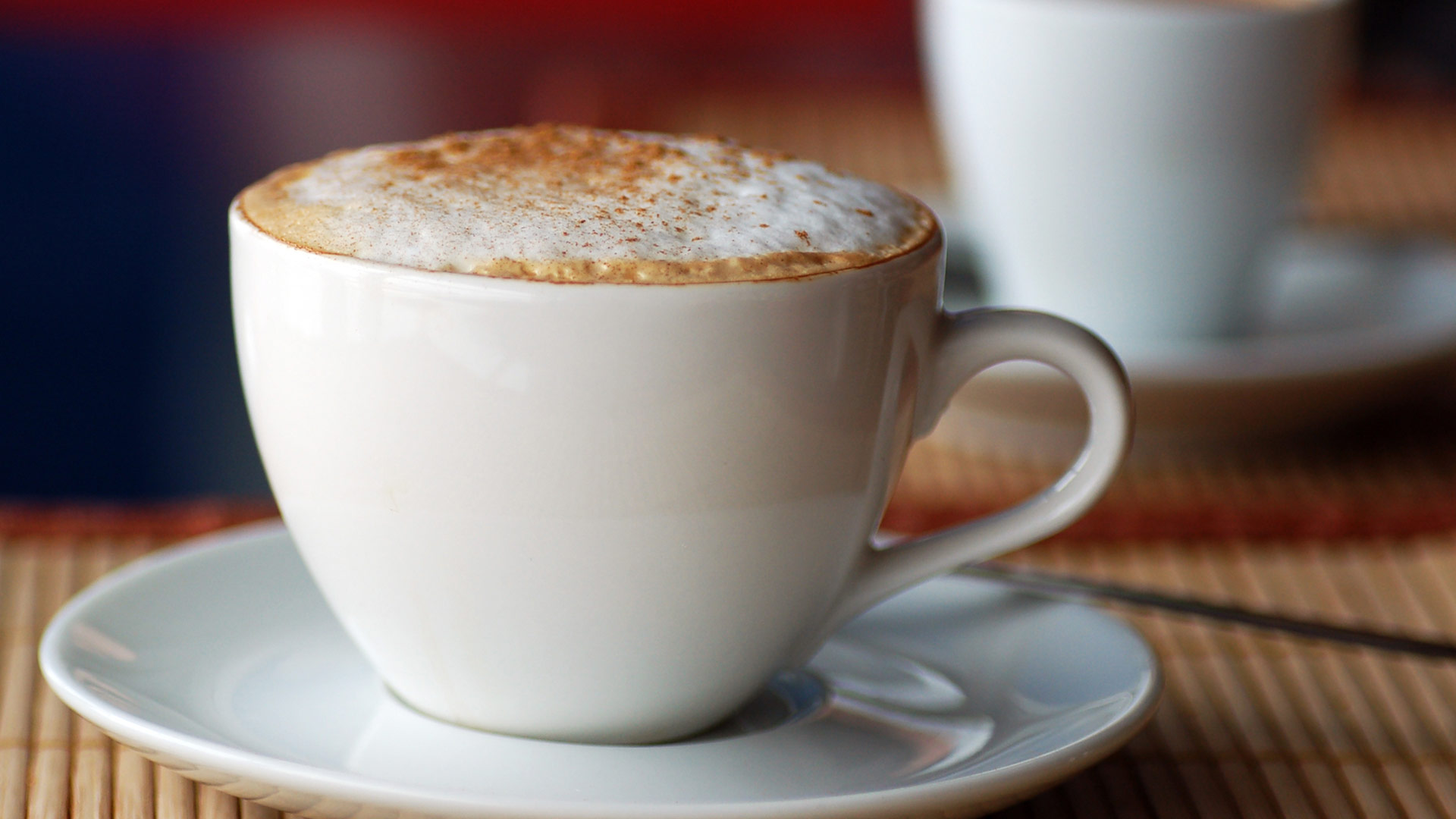
The original milk coffee, especially in Italy, is the cappuccino. It follows a strict 1:1:1 ratio: equal parts espresso, steamed milk, and milk foam. The foam is thick enough to create a dome that rises slightly over the cup’s rim.
Macchiato
A macchiato, meaning 'stained' or 'spotted,' is an espresso 'marked' with a small spoonful of velvety steamed milk foam. It’s stronger than a cappuccino or latte, sitting between espresso and cappuccino in intensity.
Flat White
Originating in Australia, the flat white is like a latte but with a thinner layer of microfoam and less milk overall. It typically uses a single or double shot of espresso with a higher coffee-to-milk ratio, resulting in a richer, more velvety texture and bolder flavor. Like the piccolo, it’s only served hot.
Piccolo Latte
A piccolo latte is a small, 3-ounce drink made with a single shot of espresso and a small amount of steamed milk. It’s more intense than a regular latte or flat white, offering a concentrated coffee experience in a tiny cup—also served hot only.
Dirty
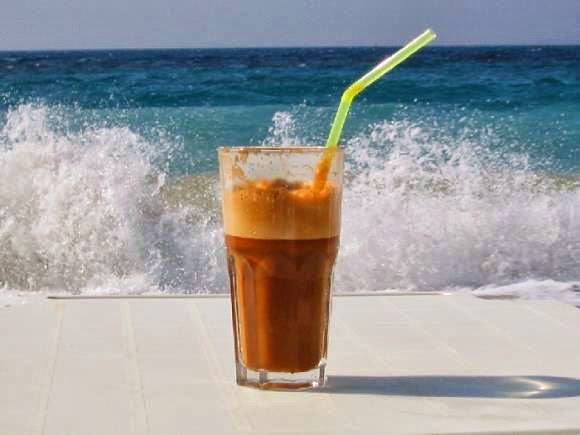
The dirty isn’t a traditional Italian drink but a modern favorite. It’s made by pouring a freshly extracted shot of espresso directly over ice-cold milk, creating a striking visual contrast and a bold, flavorful sip. Its popularity comes from both its striking two-tone look and intense taste.
Espresso-Based Speciality Drinks
Cafés worldwide have created countless espresso-based specials by adding syrups, liquors, or alternative textures. Here are some classic examples:
Mocha (Mocha Café)
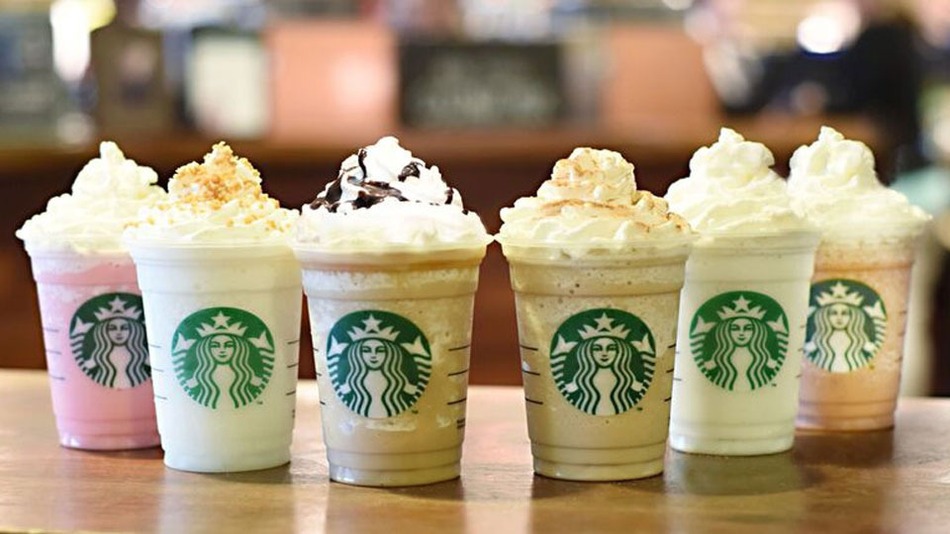
A mocha combines espresso with chocolate syrup or powder and steamed milk, often topped with whipped cream. It’s a sweet, dessert-like drink that bridges coffee and chocolate.
Caffè Marocchino
This Italian drink is served in a small 60ml cup. It includes one shot of espresso, a sprinkle of cocoa powder, a layer of steamed milk or foam, and another dusting of cocoa on top. The result is a rich, bittersweet shot with a strong chocolate aroma.
Affogato
An affogato is part dessert, part coffee. It’s made by pouring a shot of hot espresso over a single scoop of vanilla ice cream. Though technically a dessert, it’s served in cafés as a coffee drink.
Con Panna
Con panna is a simple shot of espresso topped with a dollop of whipped cream. It’s often served as a dessert coffee or after-dinner treat.
Caffè Corretto
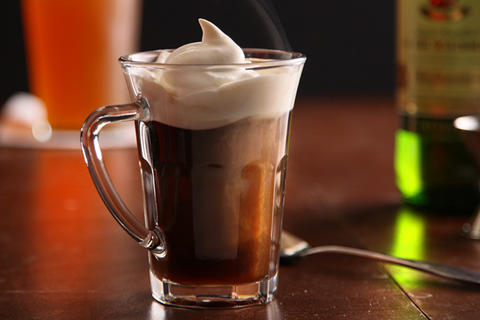
This Italian specialty involves adding a shot of liquor—usually grappa or sambuca—to a single espresso. It’s a strong, boozy coffee drink meant for those who enjoy a kick.
Caffe Shakerato
To make this refreshing European iced drink, combine espresso, simple syrup, and ice in a cocktail shaker. Shake vigorously until frothy, then strain into a martini glass. The result is a cold, creamy espresso with a texture similar to a light beer head.
Frequently Asked Questions
What is the difference between an espresso and a ristretto?
An espresso typically uses a 1:1.5 to 1:2.5 brew ratio, yielding about 40g of liquid from 20g of coffee in 25–30 seconds. A ristretto is a more concentrated shot made with the same amount of coffee but only 28g of liquid extracted in around 20 seconds using a 1:1 to 1:1.5 ratio. It has a bolder, shorter flavor with less bitterness.
What’s the difference between a lungo and an americano?
A lungo is made by extending the espresso extraction time and increasing water ratio to around 1:4 to 1:5, producing about 100g of liquid in nearly a minute. It’s still based on espresso but tastes diluted and sometimes bitter. An Americano is a shot or two of espresso diluted with hot water, usually in a 1:5 to 1:8 ratio, and is smoother and more customizable.
What’s the difference between a latte and a cappuccino?
A latte (caffè latte) has a 1:5 to 1:8 espresso-to-milk ratio with a thin layer of foam, resulting in a milky, smooth drink. A cappuccino uses equal parts espresso, steamed milk, and foam (1:1:1), with a thicker foam layer that rises above the cup rim.
What is a doppio?
A doppio is a single shot of espresso made with double the amount of coffee grounds, resulting in a stronger and more intense single shot, rather than two separate shots.
What’s the difference between a flat white and a piccolo latte?
Both are small, milk-focused espresso drinks served hot. A flat white uses a higher coffee-to-milk ratio with microfoam for a velvety texture, while a piccolo latte is a 3-ounce drink with a single shot and a small amount of steamed milk, offering an even more intense flavor.
What is an affogato?
An affogato is a dessert-like coffee drink where a shot of hot espresso is poured over a scoop of vanilla ice cream, blending coffee bitterness with sweet creaminess.
Recommended FrontStreet Beans for Espresso Drinks
For crafting classic espresso-based drinks, FrontStreet Coffee’s Specialty Blend is a top choice. It combines Brazilian and Colombian beans for a balanced profile of sweetness, mild acidity, and nutty undertones. Roasted to medium depth, it produces a smooth crema and works well in milk drinks like lattes and cappuccinos. The Classic Blend is ideal for everyday espressos, offering approachable flavours without being overly sharp. Freshly roasted within 5 days · Orders placed before 17:00 ship the same day · Next-day delivery across most of Guangdong Province.
FrontStreet Coffee is a long-established specialty coffee roaster in Guangzhou China, selling freshly roasted beans from its own farm in Yunnan as well as dozens of carefully selected single-origin beans from around the world for both pour-over and espresso. The products deliver consistently excellent quality and great value, with shipping within 24 hours. Guangzhou's FrontStreet Coffee shop is recommended by many coffee lovers, and the beans are now available online at the Tmall 。
Important Notice :
前街咖啡 FrontStreet Coffee has moved to new addredd:
FrontStreet Coffee Address: 315,Donghua East Road,GuangZhou
Tel:020 38364473