How to Roast Coffee Beans at Home with a Hand Pan
If you've ever wanted to roast your own coffee beans at home but don't own a drum or hot-air roaster, a hand pan might be your simplest entry point. This guide walks through the entire process—from weighing your green beans to cooling your first roast—using only a handheld metal pan and a heat source. You'll see exactly how color, sound, and bean movement indicate roast development, and how to manage variables like flame height and roast time.
To roast coffee at home with a hand pan, start by weighing and inspecting your green beans, then roast them over medium heat while monitoring color changes, first and second crack, and silver skin release. A typical first roast takes 2–4 minutes and ends just before or during the first crack. After roasting, immediately cool the beans and remove loose chaff. Expect around 1–2% weight loss from raw to roasted.
Why Roast Coffee at Home with a Hand Pan?
Hand pan roasting is one of the most accessible ways to roast green coffee without investing in expensive equipment. It lets you control roast levels by adjusting heat, airflow, and roast duration—all factors that dramatically affect flavor. While not as consistent as drum roasters, a hand pan gives you direct feedback on roast development through sight, sound, and smell.
Step-by-Step: Roasting Coffee with a Hand Pan
1. Weigh and Inspect Your Green Beans
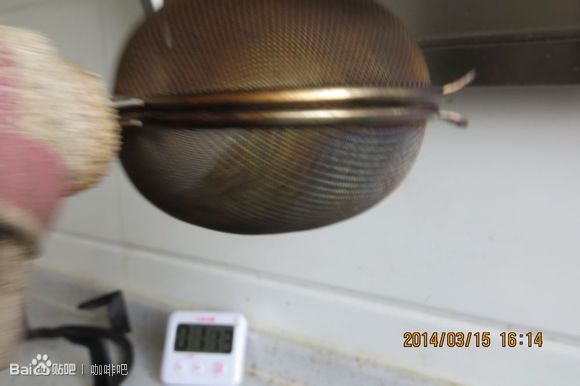
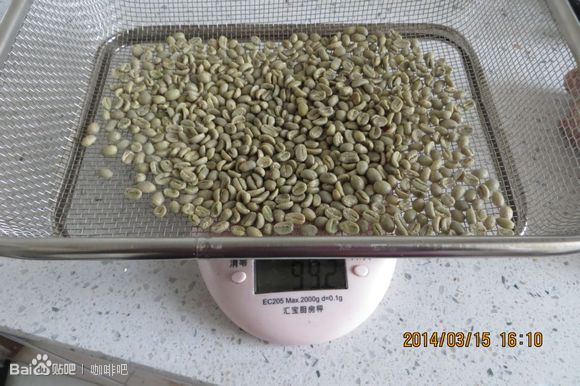
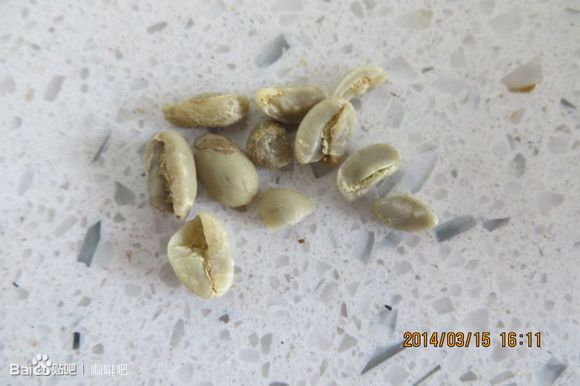
Start by weighing your green coffee beans. Remove any obvious defects such as broken, discolored, or insect-damaged beans. The cleaner your selection, the more even your roast will be. In the example roast, the focus was on a first attempt with Kochere washed, along with Huila and Kenya beans from the same batch.
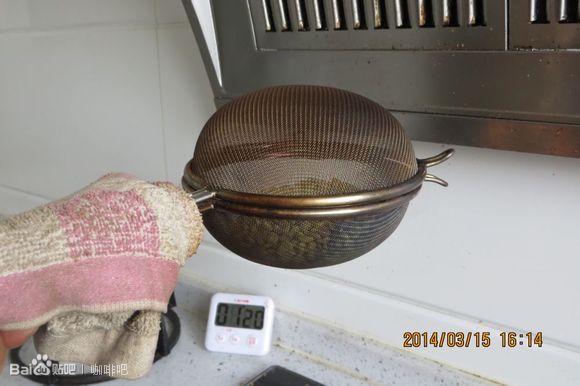
2. Set Up Your Heat Source and Hand Pan
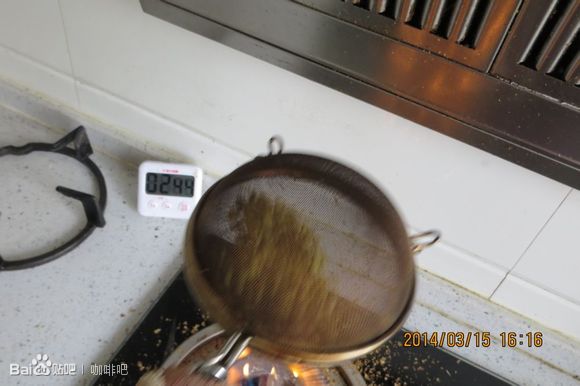
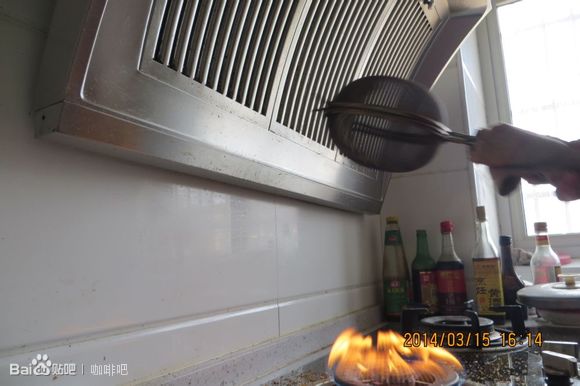
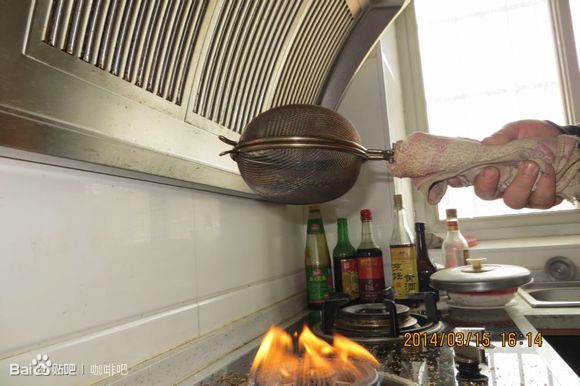
Use a controlled heat source—like a small gas burner—and a metal hand pan. Adjust the flame height to medium. The pan should get hot enough to initiate the Maillard reaction but not scorch the beans. Keep the pan moving constantly to ensure even heat distribution.
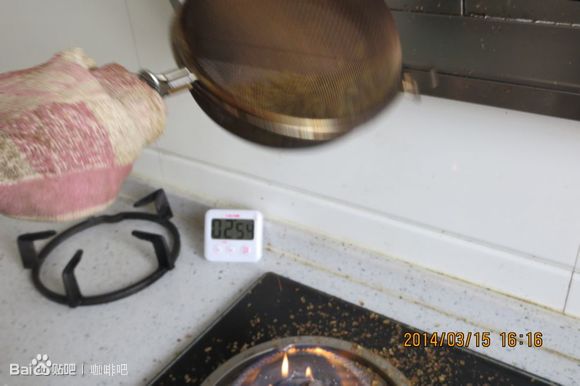
3. Begin Roasting: Watch for Color and Movement
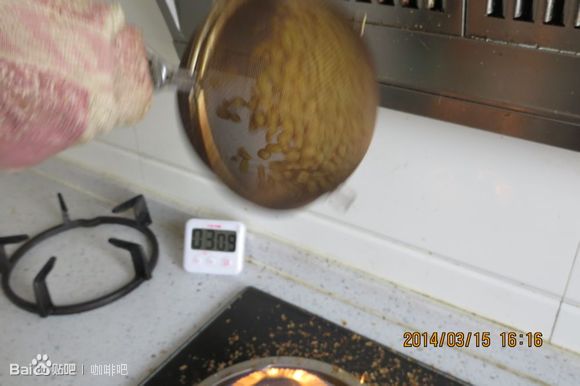
As the roast begins, you’ll notice the beans turning yellow, then light brown. The beans will start moving more vigorously due to internal pressure buildup. Pay attention to the direction they flip in the pan—it affects evenness. Around this stage, the outer husk (silver skin) will begin loosening and flying around inside the pan.
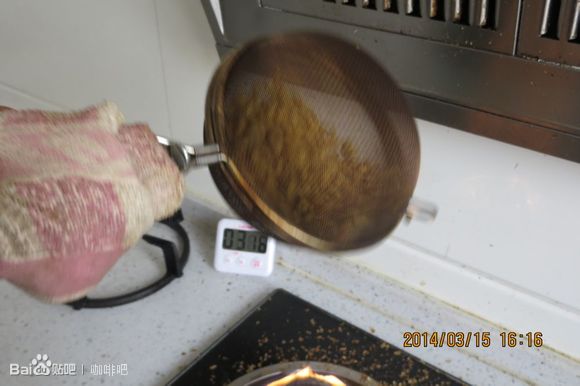
4. Track First Crack and Roast Development
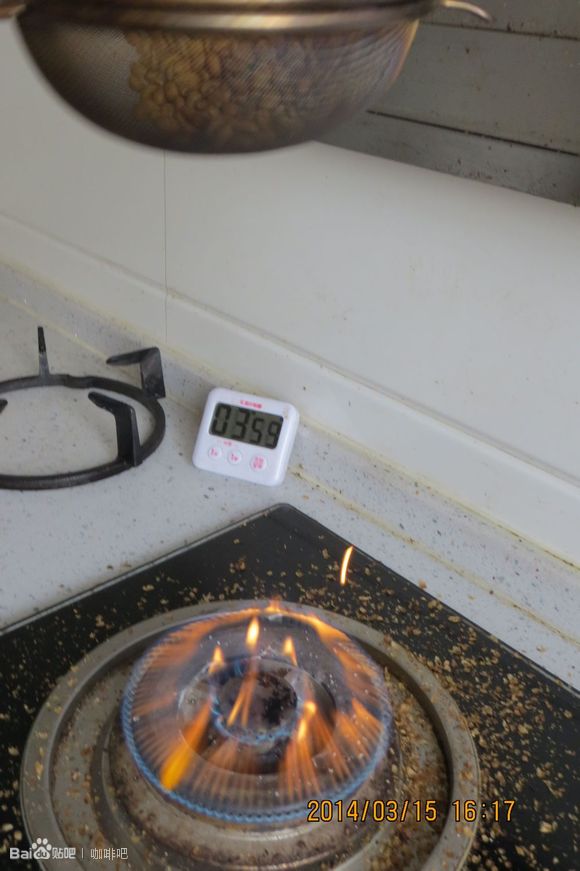
The first crack—a popping sound as moisture escapes—signals light roast territory. This typically occurs 2–3 minutes into the roast. Continue roasting into or through the first crack depending on your desired roast level. The beans will darken, and the chaff (silver skin) will become more active inside the pan.
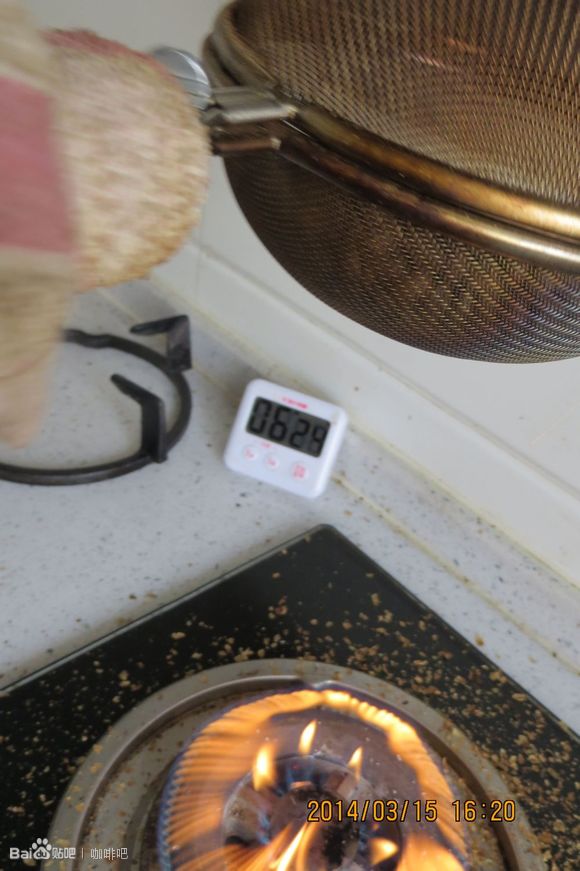
5. Stop the Roast (Drop Time)
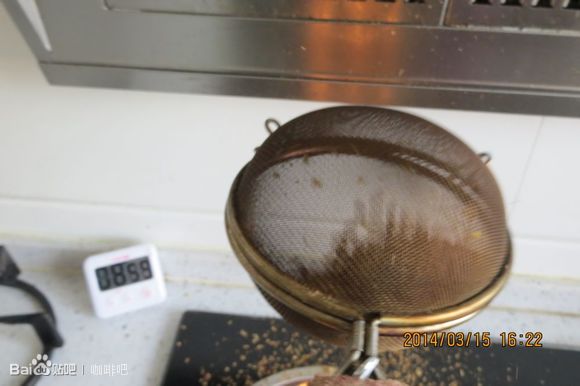
The ideal drop time is just before or during the first crack for a light roast, or slightly into the first crack for a City+ roast. In the example, the roast ended just as the first crack became dense and began to finish. Timing and color are your main guides.
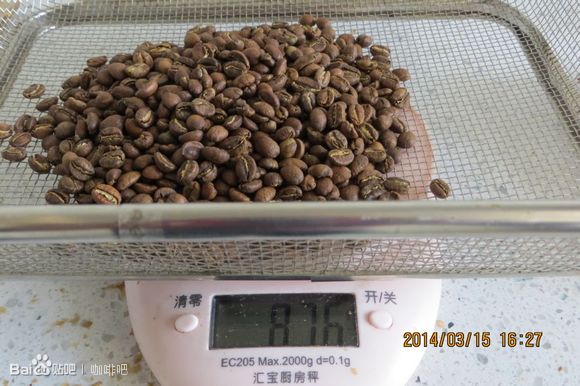
6. Cool the Beans Immediately
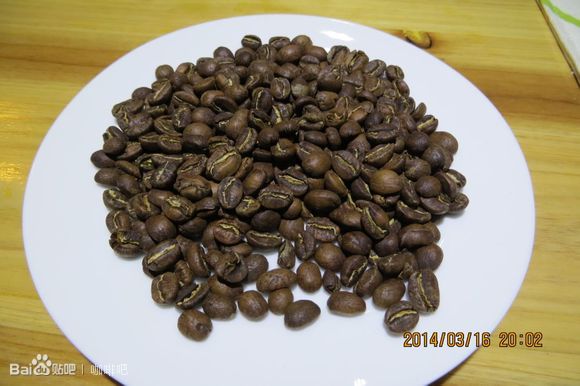
Transfer the beans to a metal colander or tray and cool them quickly by stirring. This stops the roast and prevents overdevelopment. Cooling should take 2–3 minutes. As you cool, you’ll also remove loose silver skin that’s popped off during roasting.
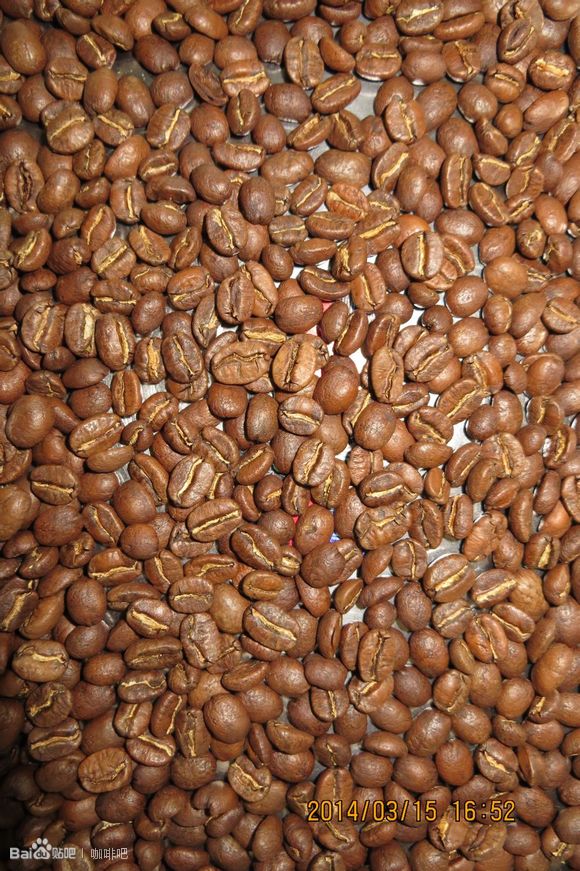
7. Weigh the Roasted Beans
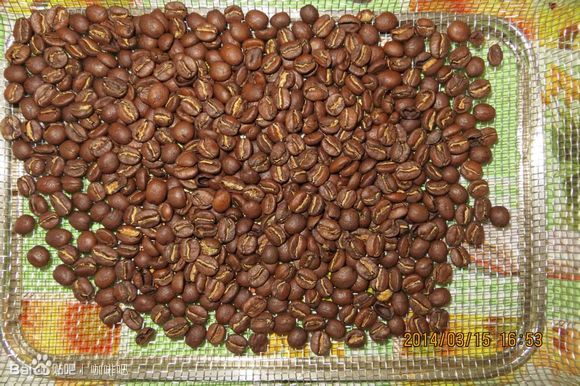
Weigh the beans again after roasting and cooling. You’ll typically see a 1–2% loss in weight due to moisture loss during roasting. In the example, the roasted batch was weighed the following day alongside a photo of the finished Kochere washed beans.
What to Expect in Your First Hand Pan Roast
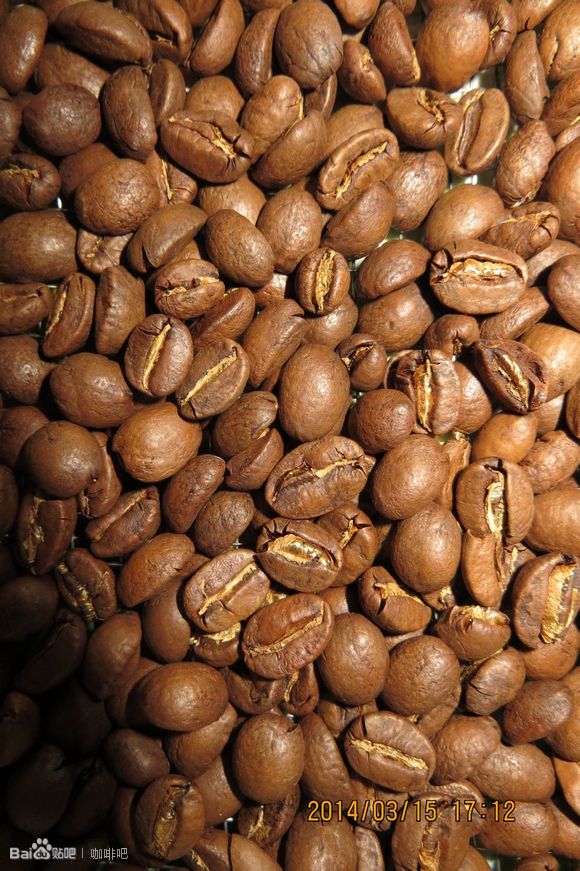
Your first few roasts may be uneven, and you might get some beans that are lighter or darker than others. That’s normal. Focus on consistency in heat application, bean agitation, and listening for first crack. Over time, you’ll learn to recognize the visual cues—color shifts, bean movement, and chaff behavior—that indicate roast stage.
Frequently Asked Questions
What is a hand pan coffee roaster?
A hand pan coffee roaster is a small, manually operated metal pan used to roast green coffee beans over a flame. It allows for direct control of heat and roast time, and is commonly used for small-batch, home roasting.
How much coffee should I roast in a hand pan?
Most home hand pans roast between 30–100 grams of green coffee at a time. Smaller batches are easier to manage for beginners and allow more even roasting.
What roast level can I achieve with a hand pan?
You can achieve anything from a light to a City+ roast with a hand pan, depending on how long you roast and when you stop. It takes practice to consistently hit target roast profiles.
Do I need to remove chaff after roasting?
Yes, chaff (or silver skin) will loosen during roasting and should be removed by cooling the beans in a colander or by gently blowing or brushing it off after the roast.
How do I know when to stop the roast?
Stop the roast based on time, color, and sound. First crack signals light roast; entering or finishing the first crack gives you a light-medium or City+ roast. Use all three indicators together.
How long does roasted coffee last after roasting?
For best flavor, drink freshly roasted coffee within 1–2 weeks. Allow 12–24 hours of degassing before brewing. Store in an airtight container away from light and heat.
Recommended FrontStreet Coffee for Hand Pan Roasting
Try FrontStreet’s Ethiopia Humbera for bright floral and citrus notes, Kenya Little Tomato for bold berries and winey acidity, or Kochere washed for clean citrus and stone fruit—all ideal for exploring light to City+ roast levels with a hand pan. These single origins highlight the impact of roast control and are perfect for beginners refining their technique. Freshly roasted within 5 days · Orders placed before 17:00 ship the same day · Next-day delivery across most of Guangdong Province.
FrontStreet Coffee is a long-established specialty coffee roaster in Guangzhou China, selling freshly roasted beans from its own farm in Yunnan as well as dozens of carefully selected single-origin beans from around the world for both pour-over and espresso. The products deliver consistently excellent quality and great value, with shipping within 24 hours. Guangzhou's FrontStreet Coffee shop is recommended by many coffee lovers, and the beans are now available online at the Tmall 。
Important Notice :
前街咖啡 FrontStreet Coffee has moved to new addredd:
FrontStreet Coffee Address: 315,Donghua East Road,GuangZhou
Tel:020 38364473