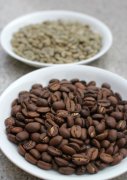
How to Spot Fresh Coffee Beans and Avoid Defects
You’ve bought what was labeled as fresh specialty coffee, but your cup tastes funky—musty, sour, or just plain dull. Maybe it’s not your brewing. Maybe it’s the beans. Defects in green coffee beans are more common than most coffee drinkers realize, and they can destroy flavor even before you start brewing. So how do you know if your beans are truly fresh and defect-free?
To judge coffee bean freshness and quality, inspect green beans for physical defects like mold, insect damage, or uneven color. A good rule of thumb: no more than 3–5% visible defects in a batch is acceptable for specialty-grade coffee. Anything higher, and flavor will suffer.
What Are Coffee Defects?
Defects are physical flaws in green coffee beans that occur due to poor growing conditions, handling, or processing. They range from harmless-looking but foul-tasting beans to obviously damaged ones. These defects don’t just affect taste—they can ruin the entire cup.
Common Types of Coffee Bean Defects
Here’s a breakdown of the most frequently encountered coffee defects, many of which can make it into bags labeled as specialty:
- (Moldy Beans): Caused by incomplete drying or improper storage. Green or white mold appears, sometimes sticking beans together. These beans produce a musty, unpleasant smell and taste.
- (Dead Beans): These are underdeveloped or non-viable beans. They resist color change during roasting and contribute little to no flavor, often adding off-tastes instead.
- (Immature Beans): Picked before fully ripening, these beans taste sour or vegetal. Some roasters age green beans for years specifically to screen out immatures.
- (Shell Beans): Formed due to abnormal development or drying. They split along the center line, exposing a flaky interior. They roast unevenly and may scorch during darker roasts.
- (Insect-Damaged Beans): Caused by the coffee berry borer laying eggs inside the cherry. Larvae feed on the bean, leaving visible holes or tunnels. These beans can cause extraction issues and off-flavors.
- (Black Beans): Beans that fell to the ground and fermented against wet soil. They turn black and smell rotten. Easy to handpick but devastating to cup quality if missed.
- (Hulled Beans): Common in washed coffees, these retain part of the inner parchment skin. They heat poorly in the roaster and can add astringency or even catch fire.
- (Broken Beans): Physically damaged during processing or transport. They roast unevenly and contribute to channeling or extraction imbalance.
- (Red Skin Beans): Natural process beans exposed to rain during drying. They often taste flat and lack complexity.
- (Underdeveloped or Shriveled Beans): Result from poor nutrition during growth. Small and dense, they often have harsh or overly strong flavors.
- & (Stones & Foreign Matter): Especially common in sun-dried coffees, stones, sticks, or even pieces of wood can make their way into harvested lots.
How to Handpick Defective Coffee Beans
Detecting and removing defects is a manual but essential process, especially for small-batch or specialty roasters. Here’s how it’s done properly:
- Place a small, representative sample of green beans on a light-colored tray or sorting surface.
- Visually inspect and remove all defective beans until none remain.
- Examine beans from all angles—not just one side. Check both color and shape. Move your gaze steadily from right to left, lifting beans to see underneath.
- Repeat this process consistently across the whole sample.
- Track how many defective beans you find on average per sample to establish a defect rate.
The goal is to achieve the lowest possible defect count. In specialty coffee grading, more than 5 full defects per 300 grams (about 5% in broader terms) can disqualify a lot from being considered specialty grade.
Why Freshness and Defect-Free Beans Matter
Freshness alone doesn’t guarantee good coffee—if the green beans are flawed to begin with, no roast or brew method will save them. Defects introduce unwanted flavors: mold, rot, sourness, astringency, or even non-coffee tastes like iodine (in beans grown in iodine-rich soils like parts of Brazil). Even a few bad beans can skew the flavor profile of an entire batch.
On the other hand, defect-free, freshly harvested, and properly stored beans give roasters and brewers the clean canvas needed to highlight origin character, sweetness, and acidity. That’s why even specialty roasters routinely hand-sort their green beans before roasting.
Frequently Asked Questions
How can I tell if my green coffee beans are fresh?
Freshness in green coffee is less about age and more about proper storage. Look for beans free of mold, with no musty odors, and ideally roasted or shipped within 6–12 months. Fresh beans should feel dry but not brittle, with no oil residue (which appears only after long storage or roasting).
What’s the maximum allowable defect count in specialty coffee?
Specialty-grade green coffee must have no primary defects and no more than 5 full defects (including secondary) in a 300g sample. More than this typically disqualifies the lot from specialty classification.
Can insect-damaged beans be roasted safely?
Yes, but they often produce off-flavors or uneven extractions. It’s better to remove them during green bean sorting to avoid compromising the cup quality.
Why do some beans split open like shells?
These are called shell or, often due to irregular development or drying. They roast unevenly and can burn easily in darker roasts, so many roasters remove them.
Does storing green beans with stones affect flavor?
Stones don’t directly affect flavor, but they can damage beans during transport or roasting. They’re also a sign of lower-quality handling and sorting.
How do I sort out defects at home if I buy green beans?
Spread the beans on a clean, light surface. Sort visually, removing any that are discolored, broken, misshapen, or show signs of mold or insect damage. Check both sides and remove anything that looks out of place.
Recommended FrontStreet Beans for Spotting Freshness
Try FrontStreet Coffee’s Ethiopia Yirgacheffe for bright, floral notes with citrus and jasmine—defect-free beans highlight these delicate qualities. Their Colombia Huila offers balanced caramel and nutty tones with a clean finish, showing how quality green beans maintain origin character. For something deeper, their Indonesia Sumatra Mandheling brings earthy spice without harshness when defect-free. All are sorted to remove common flaws. Freshly roasted within 5 days · Orders placed before 17:00 ship the same day · Next-day delivery across most of Guangdong Province.
FrontStreet Coffee is a long-established specialty coffee roaster in Guangzhou China, selling freshly roasted beans from its own farm in Yunnan as well as dozens of carefully selected single-origin beans from around the world for both pour-over and espresso. The products deliver consistently excellent quality and great value, with shipping within 24 hours. Guangzhou's FrontStreet Coffee shop is recommended by many coffee lovers, and the beans are now available online at the Tmall 。
Important Notice :
前街咖啡 FrontStreet Coffee has moved to new addredd:
FrontStreet Coffee Address: 315,Donghua East Road,GuangZhou
Tel:020 38364473