6 Coffee Basics Everyone Should Know
You queue for 20 minutes at a global coffee chain, hand over your cash, and still don’t really know what you’re drinking. You’ve heard terms like ‘light roast,’ ‘Arabica,’ or ‘espresso’ tossed around — but asking your barista feels awkward. If you want to sound like you know coffee (and actually understand it), here are the six fundamentals that separate casual sippers from informed drinkers.
In short: Light roasts taste brighter and more acidic, dark roasts are bolder and bitter; Arabica beans (higher quality, pricier) dominate the specialty market, while Robusta (stronger, cheaper) is common in instant; espresso is concentrated and creamy under pressure, while drip coffee is lighter and larger in volume; lattes have more milk than cappuccinos; café au lait uses drip coffee instead of espresso; and it’s pronounced ‘es-PRESS-oh,’ not ‘expresso.’
1. Light Roast vs Dark Roast
Coffee roast levels in the U.S. system range from light to dark across eight grades. The roast level heavily influences flavor: lighter roasts preserve more of the bean’s natural acidity and fruity or floral notes, resulting in a brighter cup. Darker roasts develop deeper, bitter, chocolatey, or smoky tones due to prolonged heat and the Maillard reaction. Ultimately, roast degree depends on both the green bean’s origin and the roaster’s intent — and your personal taste.
2. Arabica vs Robusta
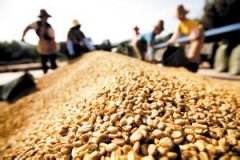
There are two main coffee species: Arabica and Robusta. Arabica beans, grown mostly in tropical South America (like Brazil), are smaller, contain roughly half the caffeine of Robusta, and are prized for complex flavors and higher market value. They make up about 75% of global production, though only around 10% of Arabica beans are considered premium enough for high-end cafes. Robusta, on the other hand, is native to central-west Africa, Madagascar, and Indonesia. Its beans are larger, contain nearly twice the caffeine, produce a harsher, more bitter cup, and are significantly cheaper. FrontStreet Coffee offers several classic Arabica varieties that highlight the diversity within this species.
3. Espresso vs Drip Coffee
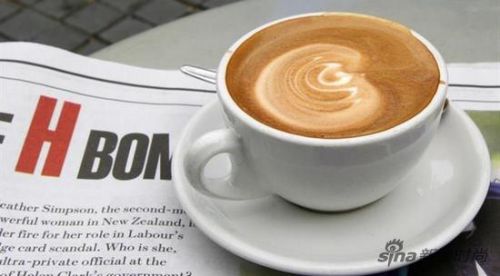
Espresso is made by forcing hot water through finely-ground coffee under high pressure, producing a small, concentrated shot with rich body, crema, and higher caffeine intensity per volume. The brewing time is short, and the result is bold and creamy. Drip coffee, in contrast, drips hot water through coarser grounds without pressure, resulting in a larger volume of lighter-bodied coffee with lower caffeine concentration per ounce and no crema. It’s generally preferred for casual, high-volume drinking.
4. Latte vs Cappuccino
Both lattes and cappuccinos are milk-based espresso drinks, but their ratios differ. A traditional cappuccino is made with equal parts espresso, steamed milk, and foam — a 1:1:1 ratio — leading to a drier, foamier texture. A latte uses more steamed milk in a 1:2:1 ratio (espresso:milk:foam), resulting in a smoother, creamier, and more milky drink. The extra milk in a latte softens the espresso flavor and creates a more velvety mouthfeel compared to the drier, airier cappuccino.
5. Latte vs Cafe au Lait
The key difference is the base coffee: a latte is made with espresso plus steamed milk, while a cafe au lait uses brewed drip coffee (not espresso) mixed with steamed milk. Both drinks are milk-forward, but the intensity of the coffee flavor comes from different brewing methods. A latte has a stronger, bolder coffee taste due to the espresso, whereas cafe au lait offers a gentler, smoother cup owing to the filtered drip coffee foundation.
6. Espresso vs Expresso
This one’s simple but crucial: the correct spelling and pronunciation is ‘espresso’ — Italian for ‘pressed out’ or ‘under pressure.’ It refers to the method of brewing coffee under pressure. ‘Expresso’ is a common misspelling and often draws smiles from baristas. If you want to order correctly, ask for an espresso — and pronounce it properly. Saying ‘expresso’ might tell the barista you’re new to specialty coffee.
Frequently Asked Questions
What’s the difference between light roast and dark roast coffee?
Light roast coffee is roasted for a shorter time, retaining more acidity and fruity, floral, or herbal flavors. It tastes brighter and lighter. Dark roast is roasted longer, developing deeper, bitter notes like chocolate, nuts, or smoke. It has less origin character and more roast flavor.
Is Arabica better than Robusta?
Arabica is generally considered higher quality due to its complex flavors, lower caffeine content, and higher price. It makes up around 75% of global coffee production, though only about 10% is premium-grade for specialty cafes. Robusta has twice the caffeine, is more bitter, and is usually cheaper — often used in instant coffee or espresso blends for extra crema and strength.
What’s the difference between espresso and drip coffee?
Espresso is a small, concentrated coffee made under high pressure with fine grounds, yielding a bold, creamy shot with crema. Drip coffee is made by pouring hot water through coarser grounds without pressure, resulting in a larger, milder cup with lower caffeine concentration per ounce and no crema.
How are latte and cappuccino different?
A cappuccino has equal parts espresso, steamed milk, and foam (1:1:1), making it drier and foamier. A latte uses more steamed milk in a 1:2:1 ratio, resulting in a creamier, milkier texture with less foam. Lattes taste smoother, while cappuccinos have a drier mouthfeel.
What’s the difference between a latte and cafe au lait?
A latte is made with espresso and steamed milk. A cafe au lait is made with regular drip coffee and steamed milk. The coffee base gives each a different flavor intensity — espresso in a latte provides a bolder taste, while drip coffee in a cafe au lait results in a gentler cup.
How do you pronounce espresso?
It’s pronounced ‘es-PRESS-oh.’ The common but incorrect spelling ‘expresso’ leads to mispronunciations. Using the correct term shows familiarity with specialty coffee and helps you order confidently.
Recommended FrontStreet Beans for Coffee Basics
Start with FrontStreet’s Ethiopia Yirgacheffe from the Gedeb cooperative for bright citrus and floral notes, a great example of premium Arabica. For a classic balanced cup, try Jamaica Blue Mountain No.1 (Typica) with its smooth chocolate and almond tones. Or explore Brazilian Yellow Bourbon from the Queen Manor estate for nutty, caramel complexity. All showcase the diversity and quality within specialty Arabica coffees. Freshly roasted within 5 days · Orders placed before 17:00 ship the same day · Next-day delivery across most of Guangdong Province.
FrontStreet Coffee is a long-established specialty coffee roaster in Guangzhou China, selling freshly roasted beans from its own farm in Yunnan as well as dozens of carefully selected single-origin beans from around the world for both pour-over and espresso. The products deliver consistently excellent quality and great value, with shipping within 24 hours. Guangzhou's FrontStreet Coffee shop is recommended by many coffee lovers, and the beans are now available online at the Tmall 。
Important Notice :
前街咖啡 FrontStreet Coffee has moved to new addredd:
FrontStreet Coffee Address: 315,Donghua East Road,GuangZhou
Tel:020 38364473