Washed vs Natural Coffee Processing Explained
Ever wonder why some coffees taste clean and bright while others are fruity, bold, and syrupy? Much of that difference comes down to how the beans were processed after harvest—specifically, whether they underwent washed or natural methods. These techniques don’t just impact how the coffee looks, but fundamentally shape its flavor profile, acidity, and mouthfeel.
In short: washed coffee tends to be cleaner, brighter, and more acidic, with a clarity that highlights floral or citrus notes. Natural coffee is fruitier, fuller-bodied, and often sweeter, with more fermentation-driven complexity. The key difference? Washed removes the fruit before drying; natural dries it on.
Why Processing Matters
Right after coffee cherries are picked, they must be processed immediately. If left too long, natural enzymes and microbes start breaking down the fruit, leading to moldy or fermented off-flavors. There are many processing styles—washed, natural, honey, semi-washed—but the two most common and distinct are washed and natural. Each leaves a unique fingerprint on the green beans and, ultimately, your brewed cup.
Natural Process: Sun-Dried with Fruit On
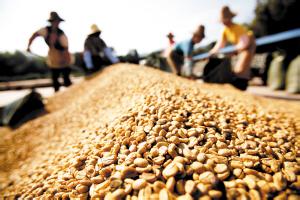
The natural process, also called dry processing, is one of the oldest methods. Here, whole coffee cherries are spread out in the sun to dry, typically for 5–6 days on concrete patios—or as long as 27–30 days in places like Ethiopia. The fruit remains intact throughout drying, which means the bean inside ferments slowly in its own sugary, pulpy environment. This leads to more body, deeper sweetness, and intense fruit or fermented flavors.
Key steps in natural processing:
- Selecting the cherries: Freshly picked cherries are poured into water tanks. Ripe ones sink; unripe or overripe float and are removed.
- Drying: The ripe cherries are spread in thin layers and sun-dried for around 5–6 days (up to a month in cooler climates), regularly turned to ensure even drying. Final moisture content drops to 13%.
- Hulling: Once dried, the brittle outer fruit husk is removed mechanically to reveal the green coffee bean inside.
- Sorting & grading: High-quality farms sort by hand or machine to remove defects. Some farms sort multiple times. Beans are graded and separated by quality—premium beans enter specialty markets; lower grades go commercial.
- Polishing (optional): A light surface polish may be applied. Beans are then bagged, usually in 60kg sacks.
Natural processing doesn’t require water, making it ideal for regions with limited resources. However, because drying happens with the fruit still on, inconsistent drying or poor sorting can lead to mold or over-fermentation. When done well, naturals are complex, sweet, and wine-like.
Washed Process: Clean, Bright, and Juicy
The washed process, or wet process, produces a coffee that’s clean on the palate, with high acidity and vibrant aromatics. It’s favored for highlighting floral, citrus, and tea-like characteristics, especially in single-origin espressos or filter brews. The process removes the coffee cherry’s skin and pulp before the beans are dried, isolating the seed early.
Steps in washed coffee processing:
- Initial selection: Cherries are soaked in water; ripe ones sink, unripe or defective float and are discarded.
- Pulping: A machine strips off the outer skin and pulp, leaving the beans encased in a sticky mucilage layer.
- Fermentation: The mucilage is broken down via fermentation—either wet (with water) or dry (without). This step takes 18–36 hours. Fermentation is critical: it shapes much of the coffee’s final flavor. Some farms add hot water or enzymes to speed it up, but this is frowned upon in specialty circles.
- Washing: Fermented beans are rinsed in channels or tanks where friction and flowing water remove all remaining mucilage.
- Drying: Beans still in parchment (inner hull) are dried to 12% moisture. This can take 1–3 weeks in the sun, or less time with mechanical dryers—but sun drying is preferred for better cup quality.
- Hulling & sorting: After drying, beans are hulled to remove the parchment and silver skin, then sorted and graded for export.
The washed method uses significant water but offers greater consistency and clarity. It’s ideal for showcasing a coffee’s inherent qualities without fermentation interference.
Flavor Differences: Washed vs Natural at a Glance
Here’s how the two methods typically shake out in your cup:
- Natural process: Full body, sweet, complex fruitiness, higher fermentation notes, lower acidity. Think berries, tropical fruit, wine, or chocolate.
- Washed process: Bright acidity, lighter body, clean flavors, pronounced floral or citrus notes. Think lemon, jasmine, stone fruit, or green apple.
Washed coffees often shine in espresso blends for their clarity and crema stability. Naturals can steal the show in pour-overs or cold brew with their juicy depth.
Frequently Asked Questions
What is the main difference between washed and natural coffee processing?
The main difference is that washed coffee removes the fruit (skin and pulp) before drying the bean, resulting in a cleaner, brighter cup. Natural coffee dries the bean inside the whole cherry, creating a fruitier, sweeter, and fuller-bodied flavor with more fermentation complexity.
Does natural or washed coffee have more acidity?
Washed coffee generally has higher acidity, with brighter, more pronounced citrus or floral notes. Natural coffee tends to have lower acidity and a rounder, smoother profile with more sweetness and body.
Which processing method is better for espresso?
Washed coffee is often preferred for espresso due to its clarity, balance, and ability to produce stable crema. However, high-quality natural processed beans can add fruity sweetness and complexity to espresso blends.
How long does coffee drying take for each method?
Natural process drying typically takes 5–6 days (or up to 27–30 days in cooler, high-altitude areas), while washed coffee parchment drying takes 1–3 weeks if sun-dried. Mechanical drying can shorten this time but may affect cup quality.
Is natural processed coffee more prone to defects?
Yes. Because natural coffee dries with the fruit still on, it is more sensitive to uneven drying, mold, and over-fermentation. Careful sorting, regular turning, and proper weather conditions are essential to avoid defects.
Why do some coffees use honey or semi-washed processes?
Honey and semi-washed methods are hybrids that fall between washed and natural. They remove the skin but leave some or all of the mucilage during drying, creating a balance of body, sweetness, and acidity. These methods vary widely by region.
FrontStreet Natural Process Coffee Beans
Explore FrontStreet Coffee’s natural process offerings like Ethiopia Humbera, a medium roast with delicate floral notes, citrus, and mango alongside a syrupy body. Their Yirgacheffe Red Cherry is bright and juicy with tropical fruit and berry tones, ideal for pour-over. For something richer, try Brazil Queen Manor with caramelized sugar, milk chocolate, and a hint of nuttiness—smooth and naturally sweet. All beans highlight the fruit-forward character of the natural method. Freshly roasted within 5 days · Orders placed before 17:00 ship the same day · Next-day delivery across most of Guangdong Province.
FrontStreet Coffee is a long-established specialty coffee roaster in Guangzhou China, selling freshly roasted beans from its own farm in Yunnan as well as dozens of carefully selected single-origin beans from around the world for both pour-over and espresso. The products deliver consistently excellent quality and great value, with shipping within 24 hours. Guangzhou's FrontStreet Coffee shop is recommended by many coffee lovers, and the beans are now available online at the Tmall 。
Important Notice :
前街咖啡 FrontStreet Coffee has moved to new addredd:
FrontStreet Coffee Address: 315,Donghua East Road,GuangZhou
Tel:020 38364473