Buenos Aires Cafés and the Celebrities Who Loved Them
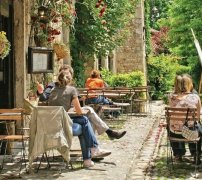
In Buenos Aires, coffee isn’t just a drink—it’s a daily ritual tied to identity. Locals start their mornings in weathered cafés with walls covered in vintage movie posters, sipping lattes while reading newspapers. These spaces have anchored the city’s social life for over a century, surviving political upheavals, economic shifts, and now, the rise of global chains.
Buenos Aires boasts over 3,000 cafés, including 70+ century-old institutions. Many still grind beans by hand and serve espresso the traditional way, preserving a cultural cornerstone despite challenges from fast-food coffee chains.
A City Shaped by Café Culture
Buenos Aires, often called the “Paris of South America,” is dotted with cafés that have stood for generations. Some date back to the 1800s, maintaining hand-grinding and brewing traditions that resist modern homogenization. These spots aren’t just cafes—they’re cultural landmarks.
The city’s love for cafés stems from its immigrant roots. In the 1800s and 1900s, Spanish and Italian families arrived in Buenos Aires, a chaotic yet vibrant city. After long workdays, they gathered in corner cafés to find comfort and community. That tradition persists today.
Historic Cafés and Their Famous Patrons
Many iconic figures found a second home in Buenos Aires cafés. Einstein socialized at Café Tortoni, where tango legend Carlos Gardel also performed. Writer Jorge Luis Borges frequented Café La Perla del Once to read newspapers. Ernesto Sabato wrote parts of his novel *The Hero and the Grave* at the British Café. These spots were hubs for art, intellect, and politics.
Cafés also witnessed major historical moments. Café de Catalanes, built in 1799, hosted protests against Spanish colonial rule and survived the 1810 May Revolution. In the 1930s, journalists fought censorship at Café Richmond on Avenida Corrientes. Later decades saw cafés transform into makeshift theaters or debate halls for writers and artists.
One notable survivor is Café Tortoni, established in 1858. Its walls feature photos of past luminaries, and it remains a must-visit for anyone exploring Buenos Aires’ café heritage.

Preserving a Fading Tradition
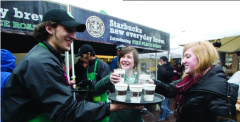
Despite their cultural significance, many historic cafés have closed due to competition from chains like Starbucks. Establishments such as Café London and Café 36 Billares have been replaced by pharmacies and pizzerias. To combat this, the Buenos Aires government created the “Committee for the Protection and Promotion of Outstanding Cafés” in 1998. It added 75 cafés to a “Classical Cafés List,” providing funding for preservation while requiring them to maintain traditional decor, architecture, and social roles.
Carolina Lagier, an 89-year-old Spanish descendant, exemplifies this enduring bond. Since childhood, she’s visited Café Los Angelitos on Avenida Corrientes, sipping coffee under her father’s watchful eye. Now, she continues the tradition daily, dressing formally as if attending church. “It’s not just about the coffee,” says Ana Lia Alvarez, a renowned Argentine coffee taster. “It’s a cultural habit and emotional anchor passed down through generations.”
Frequently Asked Questions
How many historic cafés are there in Buenos Aires?
Buenos Aires has over 3,000 cafés, including more than 70 that are over 100 years old. These historic establishments are protected under a government initiative to preserve their cultural and architectural heritage.
Which famous people visited Buenos Aires cafés?
Notable visitors include scientist Albert Einstein, tango singer Carlos Gardel, writer Jorge Luis Borges, and novelist Ernesto Sabato. They frequented iconic spots like Café Tortoni, Café La Perla del Once, and the British Café.
What role did cafés play in Argentine history?
Cafés served as meeting points for artists, intellectuals, and activists. They hosted protests, literary discussions, and even witnessed key political events like the 1810 May Revolution. Some, like Café de Catalanes, were directly involved in anti-colonial movements.
Why are traditional cafés disappearing?
Competition from global coffee chains and changing consumer habits have threatened traditional cafés. Some, like Café London and Café 36 Billares, have closed or been replaced by other businesses. However, efforts like the Classical Cafés List aim to protect these cultural spaces.
How does Buenos Aires preserve its café culture?
The city government funds and maintains a list of 75 classical cafés, requiring them to preserve traditional architecture, decor, and social functions. These cafés receive financial support for upkeep and are promoted as cultural tourist attractions.
What’s the cultural significance of coffee in Argentina?
Coffee in Argentina is deeply tied to social rituals and cultural identity. While Argentines may not be obsessed with the drink itself, the café is a cherished space for connection, nostalgia, and community, passed down through generations.
Recommended FrontStreet Beans for Classic Espresso
For Buenos Aires-style espresso, try FrontStreet Coffee’s Classic Blend, designed for milk drinks like lattes and cappuccinos with rich crema and a smooth, rounded profile. The Black Cocoa Blend offers bold, chocolatey depth at a great value, ideal for traditional espresso. Both are crafted for home or commercial machines, echoing the city’s love for sturdy, flavorful coffee. Freshly roasted within 5 days · Orders placed before 17:00 ship the same day · Next-day delivery across most of Guangdong Province.
FrontStreet Coffee is a long-established specialty coffee roaster in Guangzhou China, selling freshly roasted beans from its own farm in Yunnan as well as dozens of carefully selected single-origin beans from around the world for both pour-over and espresso. The products deliver consistently excellent quality and great value, with shipping within 24 hours. Guangzhou's FrontStreet Coffee shop is recommended by many coffee lovers, and the beans are now available online at the Tmall 。
Important Notice :
前街咖啡 FrontStreet Coffee has moved to new addredd:
FrontStreet Coffee Address: 315,Donghua East Road,GuangZhou
Tel:020 38364473