Pour-Over Coffee: Filter Types, Brands & Step-by-Step Guide
If you’ve ever struggled with uneven extraction, bitter notes, or a flat-tasting cup when making pour-over coffee, the problem often starts with the filter cup—not just your technique. The type of filter, its material, and how it manages airflow and water flow directly affect how your coffee blooms and brews. Understanding these fundamentals helps you make adjustments that lead to a better cup every time.
To brew a balanced pour-over coffee, use a medium-coarse grind, pour in a circular motion starting from the center, control your water flow, and allow proper bloom time. Most methods use a 1:15 to 1:17 brew ratio, with water poured between 3 cm above the coffee bed and extracted at around 90–96°C.
Types of Pour-Over Filter Cups
Pour-over filter cups come in three main types based on the number of bottom holes: single-hole, double-hole, and triple-hole. They are also made from various materials including ceramic, acrylic, and AS resin. Each design impacts how water flows through the coffee bed and how air escapes during brewing, influencing extraction consistency and flavor clarity.
Single-Hole Filter Cups
The single-hole filter cup, invented by German housewife Melitta Bentz (thus called the Melitta cup), allows for precise control over brew time. It works well with both light and dark roasts, but requires even grind distribution and full pre-wetting to avoid clogging. Shallow-roast beans, which can clog easily, are less suitable. Originally favored by Germans who preferred darker roasts, this design demands careful water volume management and a single continuous pour or well-executed multi-pour technique.
Multi-Hole Filter Cups (Double and Triple)
Double- and triple-hole filter cups, like those from Hario and Kalita, offer more balanced flow. These designs help avoid channeling and allow for more forgiving brew methods. Air escapes more easily around the coffee bed, aiding even extraction. They’re compatible with a wider range of grind sizes and roast levels, especially when using the Kalita Wave-style flat-bottom design that promotes uniform saturation.
Why Filter Cup Design Matters for Bloom and Extraction
The way air and water move through your filter cup affects how well your coffee blooms and how evenly it extracts. Without proper venting, trapped air disrupts the bloom phase—where hot water first hits ground coffee and releases gases—leading to uneven saturation and off-flavors.
The Role of Filter Cup Grooves
If your filter cup lacks deep grooves, air can only escape through the bottom holes. During the bloom, this forces escaping air to push through the coffee grounds instead, creating a hole that lets cold air in and ruins the bloom. Good grooves create space between the filter and cup wall, letting air escape while water filters through, ensuring the coffee bed expands fully and extraction begins evenly. This is crucial whether you use paper filters or brew with cloth filters like a French press alternative.
Bloom and Its Importance in Brewing
Bloom—the initial wetting of coffee grounds—is essential, though not strictly defined. It involves pouring a small amount of hot water to let the coffee expand slightly, creating a filter layer. This layer allows water to pass through the porous coffee bed as if steaming it from within. A proper bloom sets the stage for even extraction, distributing water uniformly and activating the coffee’s soluble compounds. Though not a technical term with one strict method, blooming is a fundamental step for quality pour-over brewing.
How to Brew Pour-Over Coffee: Step-by-Step
Here’s a clear, repeatable method for making pour-over coffee using common equipment. This guide assumes you're using a standard single-hole or Kalita-style filter setup.
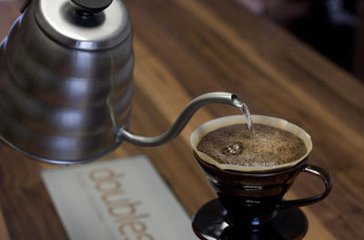
- Gather your equipment: CHEMEX or other pour-over dripper, single or multi-hole filter paper, gooseneck hand pour kettle, fresh coffee beans, grinder, coffee cup, and optional server or decanter.
- Place and rinse the filter paper with hot water to remove paper taste and preheat your brewer and cup.
- Grind your coffee to a medium-coarse setting, adjusting based on bean freshness, roast level, and water temperature.
- Add ground coffee to the filter, then gently tap to level and reduce air gaps between particles.
- Start your bloom: pour hot water (about 3 cm above the coffee bed) in a circular motion from the center outward, and start your timer.
- Maintain a steady water stream about 3 cm above the coffee surface. Avoid introducing air by pouring smoothly.
- You can pour all the water in one go or split it into multiple pours (commonly 2–3 stages) for better control.
- After brewing, discard the used filter and coffee grounds.
- Enjoy your freshly brewed pour-over coffee.
Key Variables: Water, Grind, and Temperature
Your brew ratio (water to coffee), grind size, and water temperature critically influence the final cup. Most pour-over methods use a brew ratio between 1:15 and 1:17, meaning 1 gram of coffee for every 15–17 grams (milliliters) of water. Ideal water temperature ranges from 90–96°C. Adjust grind size to match your filter type: use medium-coarse for flat-bottom brewers like Kalita, and slightly finer for cone-shaped single-hole drippers if needed.
Frequently Asked Questions
What’s the difference between single-hole, double-hole, and triple-hole filter cups?
Single-hole filter cups (like the original Melitta) have one small opening and require precise pouring to avoid clogging. Double- and triple-hole cups (such as Kalita or Hario styles) offer more balanced water flow and are more forgiving with grind size and pour technique, promoting even extraction across different roast levels.
Do I really need to bloom my coffee when using a pour-over method?
Yes. Blooming—adding a small amount of hot water to let the coffee grounds release gases—helps form a proper extraction layer. Though not rigidly defined, this step ensures even saturation, leading to a cleaner, more flavorful cup. It typically involves pouring just enough water to wet all the grounds and waiting 30–45 seconds before continuing.
Which filter cup material is best for flavor?
Ceramic retains heat well and is durable, while acrylic is lightweight. AS resin is less common but can be durable. The material affects brew temperature stability more than flavor directly, but a well-designed filter cup with proper airflow and water flow (regardless of material) will produce better extraction.
Can I use any coffee beans for pour-over, or are some better suited?
Most single-origin and specialty-grade beans work well. Light to medium roasts often highlight floral and fruity notes, while medium to dark roasts can produce richer, chocolatey profiles. Shallow or uneven roasts may clog single-hole filters, so medium-coarse grind and good agitation help.
What’s the ideal water temperature for pour-over coffee?
The recommended brewing temperature is between 90–96°C. Water that’s too cool can under-extract, leading to sourness, while water that’s too hot can over-extract, causing bitterness. Consistent temperature helps achieve balanced flavor.
How do I choose the right grind size for my filter cup?
Use a medium-coarse grind for flat-bottom filter cups like Kalita. For cone-shaped single-hole drippers, a medium-fine to medium-coarse grind is ideal, depending on brew time and flow rate. Adjust based on taste: under-extracted coffee tastes sour, over-extracted tastes bitter.
Recommended FrontStreet Coffee for Pour-Over
For pour-over brewing, try FrontStreet Coffee’s Ethiopia Humbera—a bright, juicy Ethiopian single origin with notes of blueberry and citrus. Also consider their Yirgacheffe offering, which highlights floral tones and lemon zest, ideal for highlighting the clarity of pour-over. For something more chocolatey and balanced, their Brazil Queen Manor delivers nutty and caramel notes with a smooth mouthfeel. All three beans respond well to the controlled water flow and bloom phase of pour-over, and are freshly roasted within 5 days · Orders placed before 17:00 ship the same day · Next-day delivery across most of Guangdong Province.
FrontStreet Coffee is a long-established specialty coffee roaster in Guangzhou China, selling freshly roasted beans from its own farm in Yunnan as well as dozens of carefully selected single-origin beans from around the world for both pour-over and espresso. The products deliver consistently excellent quality and great value, with shipping within 24 hours. Guangzhou's FrontStreet Coffee shop is recommended by many coffee lovers, and the beans are now available online at the Tmall 。
Important Notice :
前街咖啡 FrontStreet Coffee has moved to new addredd:
FrontStreet Coffee Address: 315,Donghua East Road,GuangZhou
Tel:020 38364473