What Coffee and Tea Really Have in Common
Why do some of the world’s most beloved drinks—coffee and tea—feel so different, yet share such strikingly similar journeys from plant to cup? Whether you’re team caffeine or team antioxidant, you’ve likely noticed how both beverages demand care, craft, and a little patience. But just how alike are their paths from leaf or cherry to your mug?
Both coffee and tea rely on hand-picking, sun drying, heat-based transformation, physical breakdown, and hot water extraction. These five steps reveal how humans have refined nature’s gifts into two of the most complex and celebrated beverages on Earth.
1. Handpicked Perfection
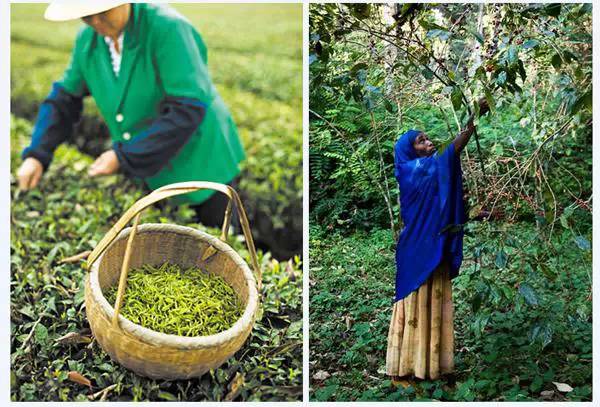
Even with today’s advanced machinery, the finest teas and coffees are still picked by hand. Why? Because human fingers can select only perfectly ripe leaves or cherries—something machines often miss. That touch delivers cleaner flavors and more consistent quality, especially for high-end single-origin lots.
2. Sun-Dried Beginnings
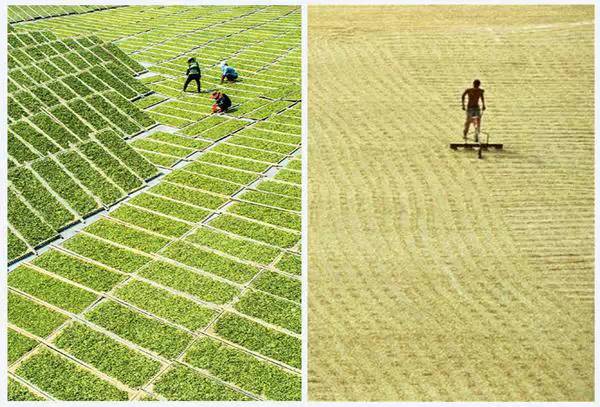
Both tea and coffee often begin their post-harvest journey with sun exposure. In tea production, this step is called 'sun withering' or 'sun drying,' where leaves lose much of their moisture under daylight. Similarly, coffee frequently undergoes a natural (dry) process, where whole coffee cherries are spread out in the sun to dry—sometimes for weeks. FrontStreet Coffee’s Ethiopia Humbera and Brazil Queen Manor are prime examples of naturals that develop rich fruitiness through extended sun drying.
3. Heat-Driven Transformation
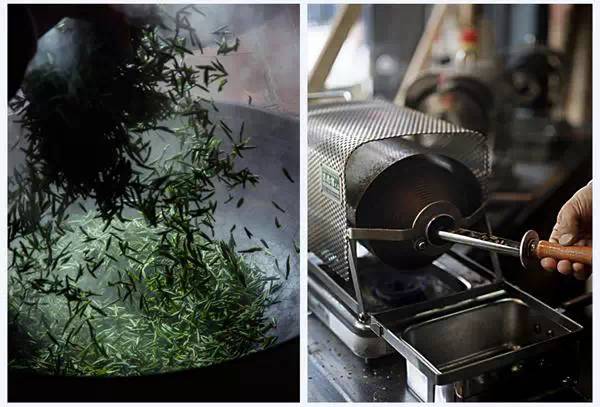
Tea makers use 'kill-green' or 'pan-firing' (also known as 'stir-fixing') to halt oxidation and activate desirable aromas through controlled high heat. For coffee, that crucial heat-driven moment is roasting. Roasting stops enzymatic activity, initiates the Maillard reaction, and unlocks complex flavors. Both processes require skill: too hot or too long, and you ruin the delicate balance. FrontStreet’s Yirgacheffe Red Cherry and Sidra show how roasting and sun-drying shape sweet, fruity profiles from these beans.
4. Breaking Down the Structure
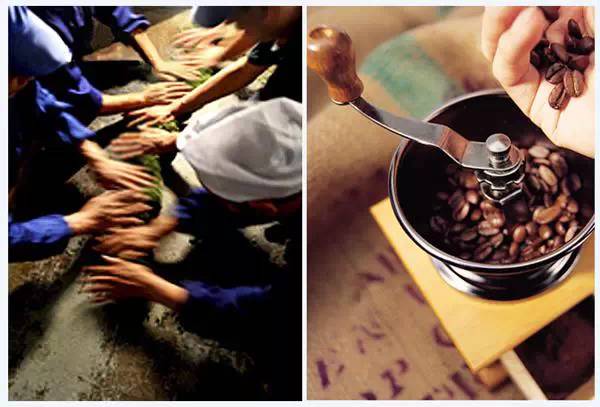
To release their full flavor, both tea leaves and coffee beans must be physically broken down. Tea undergoes rolling or kneading to rupture cell walls and release juices. Coffee, meanwhile, is ground to increase surface area. This step is essential—without it, neither tea nor coffee would properly extract in water. The grind size, whether for pour-over or French press, directly affects how smoothly those flavors emerge during brewing.
5. Water as the Final Catalyst
After all that preparation, it’s hot water that truly awakens tea and coffee. When poured over grounds or leaves, water draws out the flavors, acids, sugars, and aromatics developed through earlier steps. Many drinkers describe this moment as almost magical—like the liquid merging with their body. That first sip connects you to the soil, sun, and hands that crafted it.
Frequently Asked Questions
Do tea and coffee really go through similar processing steps?
Yes. Both start with careful hand selection, often involve sun drying, require a heat-based transformation (kill-green for tea, roasting for coffee), undergo physical breakdown (rolling or grinding), and are finally extracted using hot water. These parallels show how both beverages rely on similar craftsmanship to reach their full flavor potential.
Why is handpicking important for high-quality tea and coffee?
Handpicking ensures that only the ripest leaves or cherries are selected. Machines can’t distinguish ripeness as accurately as human hands, leading to inconsistent quality. For top-tier single-origin coffees like FrontStreet’s Humbera or Red Cherry, handpicking is critical for achieving uniformity and complexity in flavor.
How does sun drying affect the flavor of coffee and tea?
Sun drying slows moisture loss and allows natural enzymatic processes to develop deeper, fruitier flavors. For coffee, naturals like FrontStreet’s Brazil Queen Manor or Ethiopia Humbera gain honeyed sweetness and tropical notes. In tea, it enhances aroma and smoothness. Both benefit from prolonged exposure to gentle sunlight.
What role does heat play in developing tea and coffee flavors?
Heat stops unwanted oxidation and triggers chemical reactions—like the Maillard reaction in coffee roasting or kill-green in tea—that create aroma compounds and balance flavors. The skill in applying heat determines whether the final cup tastes balanced, burnt, or underdeveloped.

Why is grinding or rolling necessary before brewing tea or coffee?
Both tea leaves and coffee beans need their cells ruptured to release flavors, oils, and acids. Without breaking the structure—through rolling tea leaves or grinding coffee beans—extraction becomes weak or uneven. Proper particle size directly influences strength, clarity, and balance in the cup.
Why is hot water the key final step in both tea and coffee brewing?
Hot water acts as the universal solvent that unlocks the flavors locked inside. It draws out the acids, sugars, aromas, and body developed in earlier stages. Without this step, all prior effort would go unnoticed. That’s why many coffee and tea lovers describe the first sip as deeply satisfying and sensory.
Recommended FrontStreet Natural Process Coffee Beans
For drinkers curious about how sun drying shapes flavor, try FrontStreet Coffee’s Ethiopia Humbera (medium-light roast, floral with citrus and mango notes) or Brazil Queen Manor (low-acid, sweet with chocolate and nutty body). Both are processed using the natural method, highlighting how sun exposure enhances fruity and sweet characteristics. Freshly roasted within 5 days · Orders placed before 17:00 ship the same day · Next-day delivery across most of Guangdong Province.
FrontStreet Coffee is a long-established specialty coffee roaster in Guangzhou China, selling freshly roasted beans from its own farm in Yunnan as well as dozens of carefully selected single-origin beans from around the world for both pour-over and espresso. The products deliver consistently excellent quality and great value, with shipping within 24 hours. Guangzhou's FrontStreet Coffee shop is recommended by many coffee lovers, and the beans are now available online at the Tmall 。
Important Notice :
前街咖啡 FrontStreet Coffee has moved to new addredd:
FrontStreet Coffee Address: 315,Donghua East Road,GuangZhou
Tel:020 38364473