How Coffee Roasting Works: Stages and Flavor Development
Every coffee bean holds the potential for bright acidity, deep sweetness, bold bitterness, and aromatic complexity—but unlocking those flavors depends entirely on how it’s roasted. The difference between a dull, baked bean and a vibrant, dynamic cup lies in the mastery of the roast process.
Coffee roasting transforms green beans through a series of controlled chemical reactions—primarily driven by heat—that break down and rebuild compounds to create aroma, taste, and body. This process unfolds over three key stages: drying, Maillard and first crack (high-heat breakdown), and finally rapid cooling to lock in flavors.
Here’s exactly how professional roasters develop flavor in every batch—and what each stage means for your cup.
The Three Stages of Coffee Roasting
Roasting isn’t simply ‘cooking’ beans with fire—it’s a precise balance of temperature, airflow, and timing. In specialty coffee, it’s considered both a science and an art, demanding exact control over heat application to guide internal chemical changes. Roasters worldwide regard this stage as the most technically demanding part of coffee production. The process unfolds in three essential phases:
1. Drying Phase
The roast begins not with flavor development, but with moisture removal. Green coffee beans are about 10–12% water by weight. In this first stage, heat causes the internal moisture to slowly evaporate. As water escapes, the beans turn from green to yellow or light tan, and you may notice a grassy aroma. This phase typically lasts around half the total roast time. Controlling the speed of evaporation is critical: if water leaves too quickly, heat won’t penetrate the bean core. Roasters aim for moisture to reach boiling point and turn to steam around the 10-minute mark, allowing heat to then drive deeper into the bean structure and prepare it for chemical transformation.
2. High-Temperature Phase (Maillard & First Crack)
At approximately 160°C (320°F), moisture inside the bean turns to vapor and begins escaping forcefully. The bean shifts from absorbing heat to releasing it, triggering the first of two major cracks (audible popping sounds caused by internal pressure). Just after the first crack, the bean re-enters an endothermic (heat-absorbing) phase, now under intense internal pressure—up to 25 atmospheres. This pressure, combined with high heat, breaks down the bean’s cellular structure and initiates the Maillard reaction, creating new flavor compounds that define body, aroma, and taste. As the roast continues toward 190°C (374°F), heat and pressure shift again, darkening the bean from light brown to deep brown and advancing it toward a second crack and darker roast styles.
3. Cooling
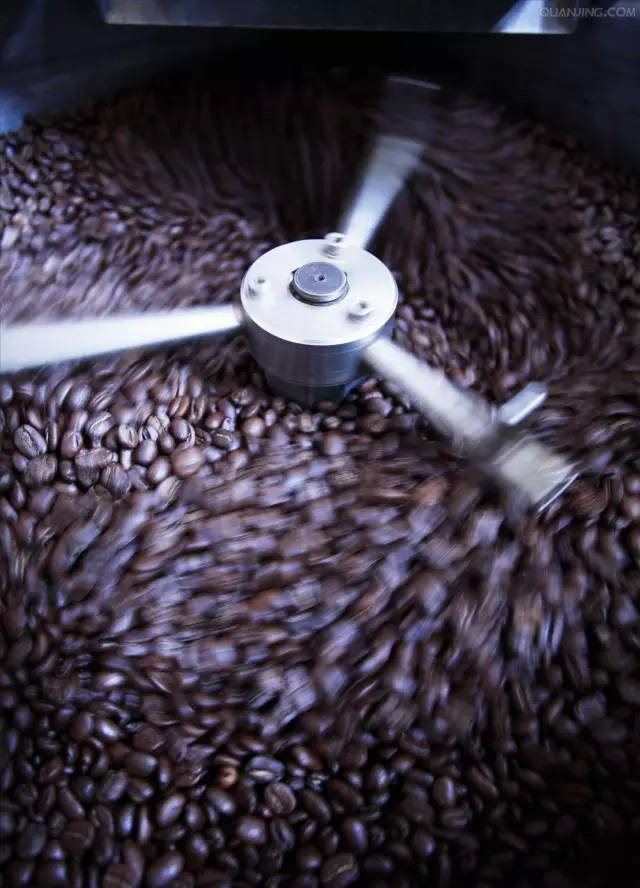
As soon as the desired roast level is reached, cooling must happen immediately. Without rapid cooling, residual heat continues the Maillard reaction, burning off delicate aromatics and over-developing bitter compounds. There are two common methods. Air cooling, used in most specialty setups, pulls high volumes of cool air across the beans while rotating them with a mechanical arm, bringing temperatures down within 3–5 minutes. Water cooling, less common in specialty but used in some commercial environments, sprays a fine mist of water over the beans to accelerate cooling. This method requires precise water control to avoid adding weight or diluting flavor, and is valued for producing cleaner, brighter cups despite the added moisture.
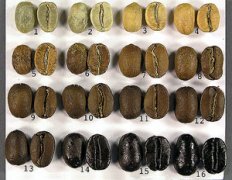
Understanding Coffee Roast Levels and Their Flavor Profiles
Roast level heavily influences a coffee’s balance of acidity, sweetness, bitterness, and aroma. Lighter roasts preserve origin characteristics and acidity; darker roasts emphasize body, bitterness, and roast-derived flavors. The ideal roast depends on the bean’s inherent traits.
- Light Roast: Underdeveloped, often grassy or vegetal, with no usable aroma or concentration. Not suitable for drinking as-is; typically used for experimental purposes.
- Cinnamon Roast (Light-Medium): A traditional light roast with pronounced acidity, named for its tan, cinnamon-like color. Popular in parts of the U.S. West Coast.
- Medium (City-Medium): Slightly darker, highlighting the bean’s inherent flavors with balanced acidity and sweetness. Common in coffee blends.
- High Roast (City): More body and roast tone, with acidity softened. Suitable for beans like Blue Mountain and Kilimanjaro. Preferred in Japan and Northern Europe.
- City+ (Full City-Minor): Also called City roast, bitter notes begin overtaking acidity. Almost no sourness remains, with distinctive aromas. Works well with Colombian and Brazilian beans; favored in New York.
- Full City Roast: Medium-dark, often used for iced coffee. Lacks acidity, dominated by bitterness—but high-quality beans retain some sweetness.
- French Roast: Very dark with oily surface, strong bitterness, and heavy body. Common for espresso or French press methods.
- Italian Roast: The darkest commercial roast level. Beans are nearly black, shiny with oil, and intensely bitter. At this stage, most origin flavors are burned away; used primarily for Italian-style espresso.
Regional Roasting Preferences Around the World
Different coffee cultures favor distinct roast profiles based on tradition, brewing methods, and flavor preferences. In Tokyo, medium-dark roasts have been popular but are shifting toward darker styles. Western countries, especially the U.S., have long preferred dark roasts. New York leans toward City roast but offers a wide variety due to its diverse population. Vienna favors dark roasts, while France and Italy stick to their namesake styles. In recent years, espresso-focused dark roasts (like Italian-style) have grown globally, though some regions resist over-roasting. For example, deeply roasting Ethiopian beans destroys their unique floral and fruity qualities. Similarly, dark roasting Yauco Selecto or Kona beans strips away their prized gentle acidity and fruity notes. Some beans, like Mexican or Sumatra, can develop interesting sweetness or body when dark roasted—but overall, the darker the roast, the more flavor is lost. Extreme roasting tends to homogenize beans and mask their intrinsic qualities.
Can You Roast Coffee at Home?
Roasting coffee at home is the most challenging way to engage with fresh coffee—but it’s also one of the most rewarding. Freshness is paramount for quality extraction, and home roasting lets you experiment with timing and heat to produce truly freshly roasted beans. One simple method is oven roasting: preheat to 230°F (110°C), spread beans in a single layer with airflow, and roast for around 10 minutes. Listen for the first cracks and monitor color—you want to stop just before your target shade to let residual heat finish the process. Remove and cool. Alternatively, small home roasting appliances (like popcorn poppers or hot-air drums) offer better control. Use a thermometer and roast in small batches. After roasting, transfer beans to a heatproof container and let them rest in a ventilated area.
Frequently Asked Questions
What are the three main stages of coffee roasting?
The three stages are drying (removing moisture), the high-temperature phase (including Maillard reactions and first crack), and cooling. Drying takes up about half the roast time and prepares the bean for chemical change by driving out moisture. The high-heat phase creates new flavor compounds through heat and pressure, ending with visible cracks. Immediate cooling stops further reactions and locks in aromas.
What is the first crack in coffee roasting?
The first crack is the initial audible popping sound beans make around 160–190°C (320–374°F), caused by internal moisture turning to steam and pressure building inside the bean. It marks the shift from the drying phase to the development phase and signals the start of significant flavor and color change.
How does roast level affect coffee flavor?
Lighter roasts preserve more origin acidity and floral or fruity notes, while darker roasts enhance bitterness, body, and roast-derived flavors like chocolate or smokiness. Extremely dark roasts can obscure the bean’s inherent characteristics and reduce overall flavor complexity.
What’s the best way to cool coffee beans after roasting?
The most effective methods are air cooling (using forced cool air and agitation) or water cooling (spraying a fine mist to rapidly drop temperature). Air cooling is preferred in specialty contexts for cleaner flavor, while water cooling is faster and used in some commercial settings, though it requires precision to avoid flavor dilution.
Can you roast coffee in an oven?
Yes, coffee can be roasted in a home oven preheated to around 230°F (110°C). Spread the beans in a thin, even layer with good airflow, roast for about 10 minutes, and listen for the first crack. Remove the beans just before they reach your desired roast level to allow residual heat to finish the process, then cool them quickly.
Why is cooling coffee beans immediately important?
Immediate cooling halts the ongoing Maillard reactions and prevents over-roasting or burning of aromatic compounds. Without fast cooling, beans continue to darken and lose desirable volatile aromas, resulting in a flatter or more bitter cup.
Recommended FrontStreet Beans for Roast Analysis
Explore FrontStreet Coffee’s Ethiopia Yirgacheffe for bright, acidic profiles typical of light to medium roasts, showcasing how origin shines at gentler heat. For mid-level development, try Colombia Huila to observe balance between fruit and body. For darker styles, FrontStreet’s French Roast demonstrates heavy body and bold bitterness. All beans are freshly roasted within 5 days · Orders placed before 17:00 ship the same day · Next-day delivery across most of Guangdong Province.
FrontStreet Coffee is a long-established specialty coffee roaster in Guangzhou China, selling freshly roasted beans from its own farm in Yunnan as well as dozens of carefully selected single-origin beans from around the world for both pour-over and espresso. The products deliver consistently excellent quality and great value, with shipping within 24 hours. Guangzhou's FrontStreet Coffee shop is recommended by many coffee lovers, and the beans are now available online at the Tmall 。
Important Notice :
前街咖啡 FrontStreet Coffee has moved to new addredd:
FrontStreet Coffee Address: 315,Donghua East Road,GuangZhou
Tel:020 38364473