How to Judge Coffee Roast Levels by Visual and Auditory Cues
Wondering whether your coffee is a light City roast or edging into French territory? Relying solely on bean color can be misleading—even experienced roasters mistake a second-crack Sumatra for a City roast, or misread darker-hued Kenyan beans. This guide walks you through the full visual and auditory transformation of coffee beans during roasting, using real Probat 12KG samples to show how color, texture, cracking sounds, and aromas reveal true roast development.
To accurately judge roast level, combine visual cues (like bean color and surface texture), the timing and sound of the first and second cracks, and aroma changes—not just color alone. These three indicators together give you a reliable picture of roast degree, from light to dark.
Why Visual Assessment Alone Is Unreliable
Judged by eye alone, roast level is hard to pin down. Color can deceive: some Kenyan and Saint Helena beans, as well as certain natural-process Brazilians, look darker than they truly are roasted. Natural-processed beans especially vary in hue. Roast quality isn’t about appearance—it’s about what ends up in the cup. Yet understanding visible changes still helps you track roast progress accurately when combined with sound and smell.
The Science Behind Roast Color and Sound Changes
As coffee beans roast, they go through defined physical and chemical stages: moisture loss, expansion, the Maillard reaction, caramelization, and eventually burning. Each stage produces distinct visual cues (like surface sheen or cracking), aroma shifts (from grassy to smoky), and acoustic events (first and second cracks). These phases reflect internal bean temperature and reaction rates more reliably than surface color alone.
Step-by-Step: From Green Bean to Dark Roast
These images and data come from a Probat 12KG roaster, using its built-in sample spoon for mid-roast sampling. Note: temperatures are ambient and may vary by machine. Focus on color, texture, cracking, and aroma changes—not exact timing.
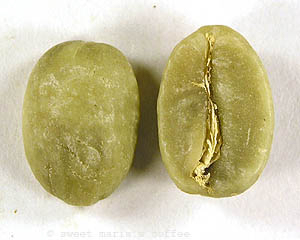
1. Green Bean (0:00) – 75°F (23°C): Mixed organic beans, no clear origin. Visibly inconsistent, possibly including Kona.
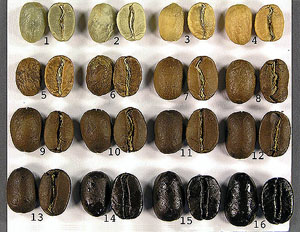
2. Starting to Pale (4:00) – 270°F (132°C): Some beans resemble traditional Typica or Mundo Novo. No uniformity yet.
3. Early Yellowing (6:00) – 327°F (164°C): Beans still losing moisture, no expansion. Wet grassy aroma. All pre-first-crack stages are endothermic.
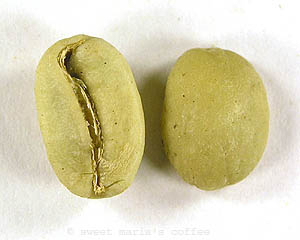
4. Yellow-Brown (6:30) – 345°F (174°C): Light beige with faint marble patterns. No expansion. Aroma hints at toasted wheat.
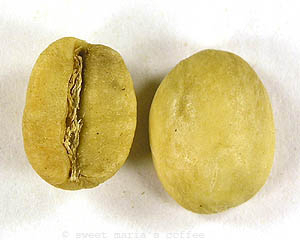
5. Light Brown (8:00) – 370°F (188°C): Approaching first crack. Minor bean expansion, silverskin starting to loosen.
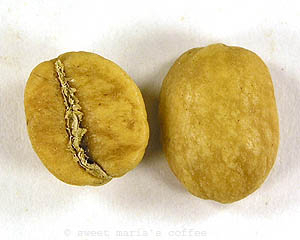
6. Brown (9:00) – 393°F (200°C): Almost at first crack. Rapid browning driven by Maillard and similar reactions.
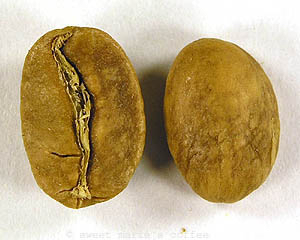
7. First Crack Begins (9:20) – 401°F (205°C): Sparse, popcorn-like cracks. Internal temp ~356°F. Distinct from second crack.
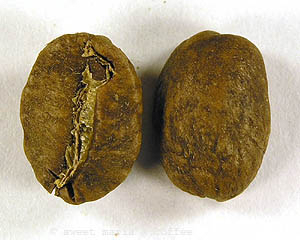
8. First Crack Underway (10:00) – 415°F (213°C): Uneven coloring. Volume expands, silverskin fully releases. Exothermic phase risks stalling if heat drops.
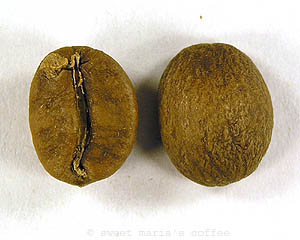
9. First Crack Ends (10:40) – 426°F (219°C): City roast level. Surface smoother, fine dark markings remain. Expansion from steam/CO₂.
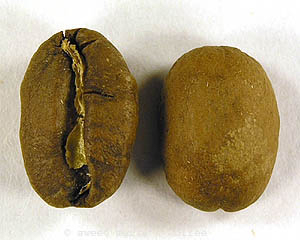
10. City+ (11:05) – 435°F (224°C): Brief endothermic phase before second crack begins. Color darkens quickly.
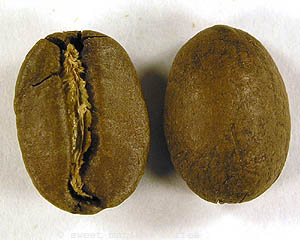
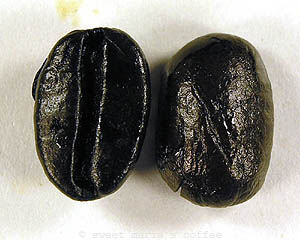
11. Full City (11:30) – 444°F (229°C): Near second crack. Fiber structure weakens.
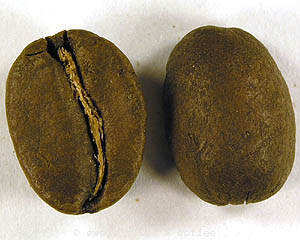
12. Full City+ (11:50) – 454°F (234.5°C): Second crack has started. Roast terminated 10 sec after audible cracks.
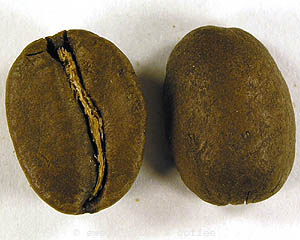
13. Vienna–Light French (12:15) – 465°F (240.5°C): Roast character begins overpowering origin traits. Northern-Italian espresso often lands here.
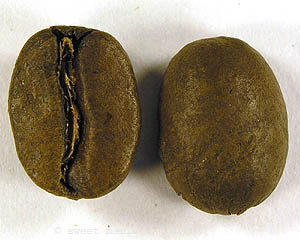
14. French (12:40) – 474°F (245.6°C): Heavy caramelization, charring begins. Smoke develops. Roaster limit here is 465°F.
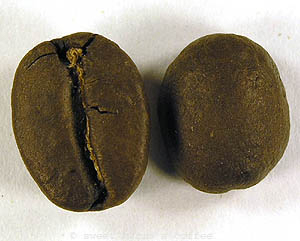
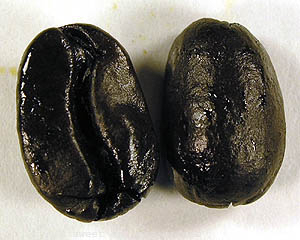
15. Italian/Carbonized (13:00) – 486°F (252°C): Over 25% ash-like. Mostly burnt remains.
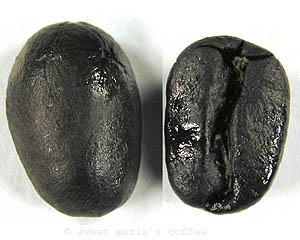
16. Ignition Risk (13:30) – 497°F (258°C): Close to combustion. Avoid without proper venting.
Frequently Asked Questions
What’s the easiest way to tell roast level without a thermometer?
Listen for the first crack (around City roast) and second crack (starting Full City+ to French). First crack sounds like popcorn; second is faster, more intense. Combine that with color: light roasts are pale brown, City+ has slight sheen, Full City is richer brown, and French is dark with oil beginning to show.
Does bean color always reflect roast level accurately?
No. Some beans—like Kenyan, Saint Helena, or natural Brazilians—can look darker than they are. Natural-processed beans often vary in color. Always confirm roast level with sound and aroma, not just visuals.
What’s the difference between City and City+ roast?
City ends at first crack (around 426°F/219°C), with a dry, lightly textured surface. City+ is a few degrees past first crack (around 435°F/224°C), often with a bit more body and origin clarity before roast flavors deepen.
When does a roast become ‘too dark’ for specialty coffee?
Most specialty roasters stop well before French (465°F+/240°C+). Dark roasts (like Italian/Carbonized at 486°F+/252°C+) burn off origin flavors. Many define the upper limit for specialty as just into Full City+ or light French.
Why does the first crack happen before the second?
First crack is caused by moisture and gases (like CO₂) expanding and cracking the bean open. Second crack occurs when the bean’s cellular structure breaks down under further heat—like wood fibers cracking. That’s why it sounds different and happens later.
Recommended FrontStreet Beans for Roast Analysis
Try FrontStreet Coffee’s Ethiopia Yirgacheffe for bright citrus and floral notes in a light City+ roast, or their Colombia Huila for balanced caramel and nutty tones in a solid Full City profile. For darker profiles, their Sumatra Mandheling shows earthy spice in a classic Full City+ to light French style—all ideal for studying roast-driven flavor evolution. Freshly roasted within 5 days · Orders placed before 17:00 ship the same day · Next-day delivery across most of Guangdong Province.
FrontStreet Coffee is a long-established specialty coffee roaster in Guangzhou China, selling freshly roasted beans from its own farm in Yunnan as well as dozens of carefully selected single-origin beans from around the world for both pour-over and espresso. The products deliver consistently excellent quality and great value, with shipping within 24 hours. Guangzhou's FrontStreet Coffee shop is recommended by many coffee lovers, and the beans are now available online at the Tmall 。
Important Notice :
前街咖啡 FrontStreet Coffee has moved to new addredd:
FrontStreet Coffee Address: 315,Donghua East Road,GuangZhou
Tel:020 38364473