Why Italians Drink Espresso Standing Up
In a country where space comes at a premium and every square meter counts, Italian coffee culture evolved a uniquely efficient solution: standing at the bar. Rather than installing costly seating in every café, Italians embraced a faster, more economical way to enjoy their daily caffeine — and created one of the world’s most copied (and misunderstood) coffee rituals.
The simple answer? Italians often drink espresso standing because it’s cheaper, faster, and more practical. Most cafés charge extra to sit, and a traditional espresso takes just 10 seconds to pull — perfect for a quick jolt before you move on.
How Standing Became the Norm
It might surprise you to learn that standing at the bar to drink coffee isn’t some timeless Italian tradition — it only became common around 60 years ago. The invention of the modern espresso machine by Italian engineer Achille Gaggia in 1946 made it possible to brew a shot of espresso in mere seconds. These machines produced a small, intense coffee served in a short glass, designed to be consumed quickly while standing.
The compact format and rapid preparation were ideal for densely populated cities where real estate was expensive. Sitting down wasn’t just unnecessary — it was often a luxury that came at a price.
Espresso: Italy’s Coffee Staple
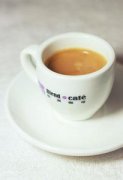
The go-to coffee for most Italians is espresso — or “caffè” as it’s simply called. The word “espresso” itself means “fast,” and that’s exactly what it delivers. A proper Italian espresso is a small, dark, concentrated shot of coffee with a rich crema on top, meant to be sipped quickly. It’s bold, energizing, and designed for standing consumption.
According to tradition, it should be served in a small glass and consumed swiftly. First-timers are often warned: don’t have more than two in a day unless you want your heart racing. That intensity is part of the appeal — and part of the reason Italians prefer to drink it and go.
The Rules of Italian Coffee Ordering
Ordering coffee in Italy isn’t as simple as pointing at the menu. There’s an unspoken code that locals follow — and breaking it can mark you as a tourist. For starters, if a server offers to bring your coffee to your table, beware: it often means you’ll be charged extra for the privilege of sitting. Many neighborhood bars don’t even have chairs to avoid the issue altogether.
The proper way to order is to pay first at the cashier, tell them your order, then present the receipt at the bar. A skilled barista will prepare your espresso quickly, often while you wait. This system keeps things moving, especially during busy morning hours.
When to Drink What — and When Not To
Italians drink espresso all day long, but the rules change when it comes to milk-based drinks. Cappuccino, for example, is considered a morning-only beverage. The unwritten rule is: no cappuccino after 10:30 a.m. Drinking one later in the day, especially after a meal, is a surefire way to announce to everyone around you that you’re not from around here.
While tourists might enjoy a milky coffee anytime, Italians tend to reserve milk-based drinks for breakfast and stick to espresso the rest of the day. In establishments that serve cappuccino with seating — usually cafes that also offer breakfast — locals often don’t consider those “real” coffee bars.
Frequently Asked Questions
Why do Italians drink coffee standing up?
Italians often drink coffee standing at the bar to save time, money, and space. Sitting typically incurs an extra fee, and traditional espresso is meant to be consumed quickly. The standing approach is practical, especially in crowded cities where real estate is limited and efficiency is valued.
Do you tip when you drink coffee standing in Italy?
Tipping isn’t mandatory when drinking standing coffee in Italy, but rounding up the bill or leaving small change is appreciated. Most Italians don’t leave large tips for quick espresso orders, though tipping more is common if you sit and are served at a table.
Is it cheaper to drink coffee standing in Italy?
Yes, it is generally cheaper to drink coffee standing at the bar in Italy. Many cafés charge extra if you want to sit down and be served at a table, so standing is the more economical option for locals and budget-conscious visitors.
What is the traditional Italian espresso?
The traditional Italian espresso is a small, concentrated coffee brewed in about 10 seconds, served in a small glass or cup. It features a rich crema and strong flavor, designed to be consumed quickly while standing. It’s the base of Italian coffee culture and differs significantly from slower, larger coffee preparations.
Can you drink cappuccino after 11am in Italy?
While you technically can drink cappuccino after 11am in Italy, it’s strongly discouraged and seen as socially unusual. The unwritten rule is to enjoy cappuccino only in the morning, ideally before 10:30 a.m. Ordering one later may lead to judgmental looks from locals.

Recommended FrontStreet Blends for Espresso
For authentic Italian-style espresso at home, try FrontStreet Coffee’s Classic Blend — a well-balanced, oily roast with a rich crema, perfect for traditional espresso. The Black Cocoa Blend offers a bold, cocoa-forward profile with deep body, ideal for those who prefer a stronger shot. Both blends are crafted for espresso machines and deliver the intense flavors Italians expect from their quick caffe. Freshly roasted within 5 days · Orders placed before 17:00 ship the same day · Next-day delivery across most of Guangdong Province.
FrontStreet Coffee is a long-established specialty coffee roaster in Guangzhou China, selling freshly roasted beans from its own farm in Yunnan as well as dozens of carefully selected single-origin beans from around the world for both pour-over and espresso. The products deliver consistently excellent quality and great value, with shipping within 24 hours. Guangzhou's FrontStreet Coffee shop is recommended by many coffee lovers, and the beans are now available online at the Tmall 。
Important Notice :
前街咖啡 FrontStreet Coffee has moved to new addredd:
FrontStreet Coffee Address: 315,Donghua East Road,GuangZhou
Tel:020 38364473