How to Taste Espresso with Sight, Sound, and Smell
You pull a shot of espresso, watch it drip into the cup, and take a sip—but something feels off. Maybe it’s too sour, too bitter, or lacking aroma. Most coffee drinkers focus only on taste, but your other senses hold the key to evaluating espresso properly.
To assess espresso accurately, use sight (crema color and texture), sound (brewing environment noise), and smell (aroma complexity)—all before tasting. These three senses reveal whether the shot is properly extracted, and help identify common flaws.
Why Your Senses Matter More Than You Think
Most people rely solely on taste to judge espresso, but your other senses provide critical clues long before the first sip. Visual cues from the crema, auditory distractions in your environment, and the aromas released when you break the crema all influence how you perceive the shot. Ignoring them can lead to poor evaluations or missed flaws.
Sound, in particular, is the most overlooked sense in coffee tasting. A noisy environment quickly causes sensory fatigue, reducing your ability to detect subtle aromas and flavors. For accurate espresso assessment, choose a quiet space where you can focus entirely on the coffee.
What the Crema Reveals About Your Shot
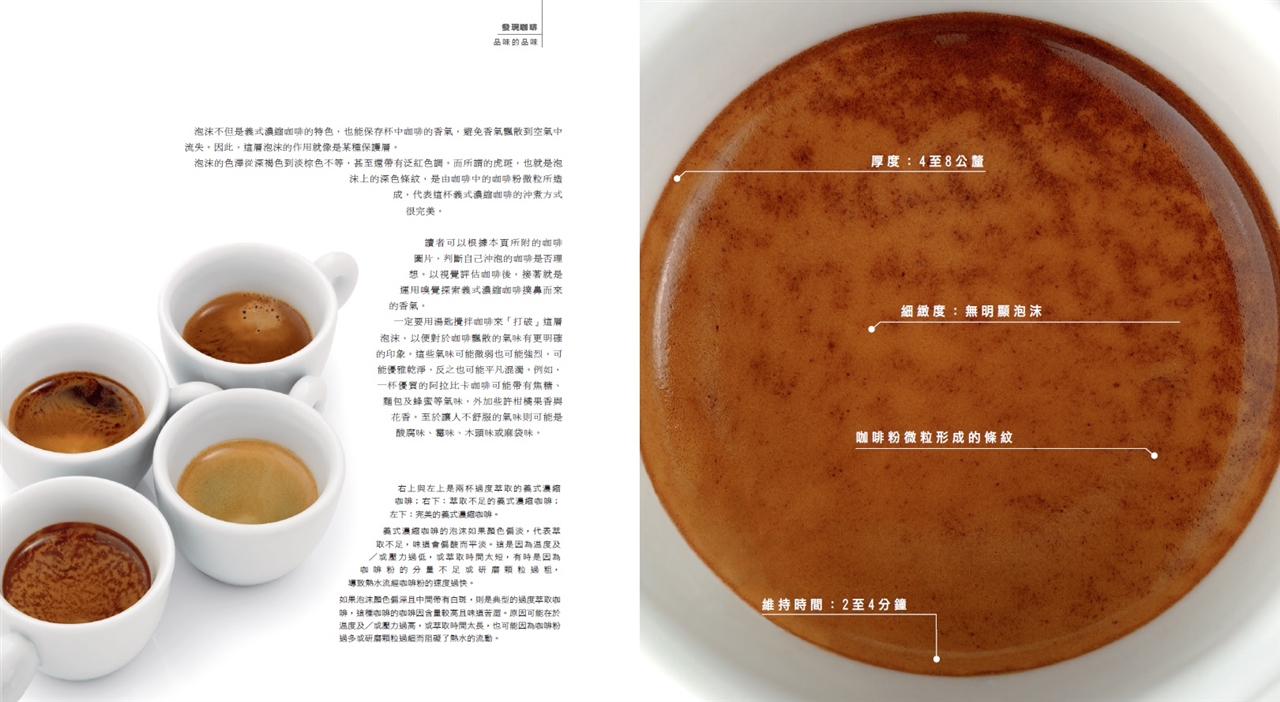
The crema—the golden-brown foam sitting atop a well-pulled espresso—is more than just aesthetics. It acts as a protective layer that preserves the coffee’s aromatic compounds, preventing them from dissipating into the air. Its color, texture, and pattern offer direct insight into the extraction process.
Ideal espresso crema ranges in color from dark brown to light brown, sometimes with reddish hues. A well-extracted shot often displays tiger striping—dark streaks in the crema caused by tiny coffee particles. These stripes indicate a balanced and properly executed extraction. Use the photo
How to Use Smell to Evaluate Espresso
Once you’ve assessed the crema visually, the next step is aroma. Before sniffing, stir the espresso with a spoon to break the crema and release trapped volatile compounds. This simple action transforms a flat smell into a complex bouquet.
A high-quality espresso may present aromas of caramel, bread, honey, citrus, and floral notes. These reflect a well-balanced extraction with desirable sweetness and acidity. In contrast, unpleasant odors such as sourness, mold, woodiness, or sackcloth indicate problems like over- or under-extraction, stale beans, or poor technique.
What Crema Color Tells You About Extraction
Crema color is one of the clearest indicators of espresso extraction quality. Too light? That usually means under-extraction. The shot may taste sour and thin due to low water temperature, insufficient pressure, short brew time, too little coffee, or overly coarse grind leading to fast water flow. Too dark with white spots? That signals over-extraction. The result is a bitter, overly intense cup, often caused by excessive temperature or pressure, too long a brew time, too much coffee, or a grind that’s too fine, restricting water flow.
Frequently Asked Questions
What is crema and why does it matter?
Crema is the golden to dark brown foam on top of a properly brewed espresso. It traps aromatic compounds, preserving the coffee’s fragrance and enhancing the sensory experience. Its color and texture indicate extraction quality—ideal crema is rich in color with tiger striping, while pale or overly dark crema signals under- or over-extraction.
How does sound affect espresso tasting?
Noise and distractions reduce your ability to focus on subtle aromas and flavors. A quiet environment helps you concentrate fully on the coffee, making it easier to detect flaws or nuances during sensory evaluation.
What should good espresso aroma include?
High-quality espresso often smells of caramel, bread, honey, citrus, and flowers. These fragrances suggest a balanced extraction with proper sweetness, acidity, and complexity. Bad smells like mold or wood indicate issues with beans, roast, or brewing.
What does pale crema mean?
Pale or light-colored crema typically results from under-extraction. Causes include low brew temperature, weak pressure, short extraction time, insufficient coffee dose, or a grind that’s too coarse, which speeds up water flow and reduces extraction efficiency.
What does dark crema with white spots mean?
Dark crema with white patches indicates over-extraction. This often leads to a bitter taste and higher caffeine perception. Over-extraction is usually caused by excessive brew time, temperature, or pressure, or too fine a grind that restricts water flow.
Recommended FrontStreet Coffee Beans for Espresso
For espresso, try FrontStreet Coffee’s Classic Blend, which delivers traditional flavors with rich body and chocolatey depth, ideal for lattes and classic espressos. For nuttier profiles, the Specialty Blend highlights Brazil beans for a smooth, creamy texture with peanut and almond notes. Both blends are crafted for balance and crema stability, making them excellent choices for home or café baristas. Freshly roasted within 5 days · Orders placed before 17:00 ship the same day · Next-day delivery across most of Guangdong Province.
FrontStreet Coffee is a long-established specialty coffee roaster in Guangzhou China, selling freshly roasted beans from its own farm in Yunnan as well as dozens of carefully selected single-origin beans from around the world for both pour-over and espresso. The products deliver consistently excellent quality and great value, with shipping within 24 hours. Guangzhou's FrontStreet Coffee shop is recommended by many coffee lovers, and the beans are now available online at the Tmall 。
Important Notice :
前街咖啡 FrontStreet Coffee has moved to new addredd:
FrontStreet Coffee Address: 315,Donghua East Road,GuangZhou
Tel:020 38364473