Siphon vs Pour-Over Coffee: Key Differences Explained
If you’ve ever wondered why your siphon-brewed cup tastes thick and heavy while your pour-over feels bright and juicy, you’re not alone. Both methods use hot water and ground coffee, yet they deliver wildly different results. So what’s really going on?
Siphon coffee brews in about 45–50 seconds at roughly 100°C using a full 25g dose per 250ml, while pour-over takes 2:30–4:45 minutes at around 90°C with the same coffee-to-water ratio. That’s the short answer—but the differences go much deeper.
How the Equipment Works
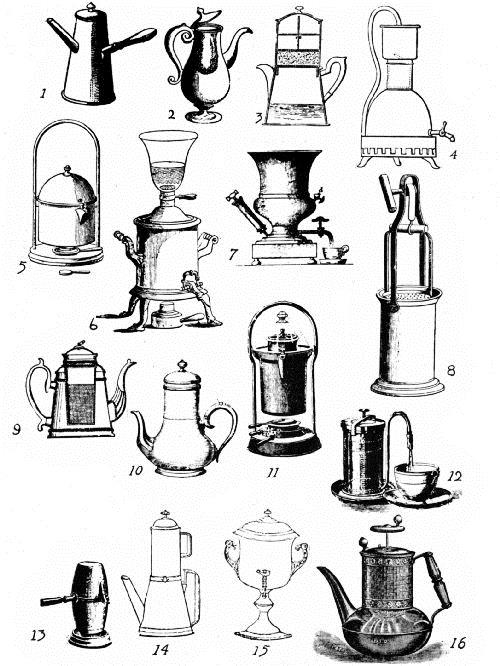
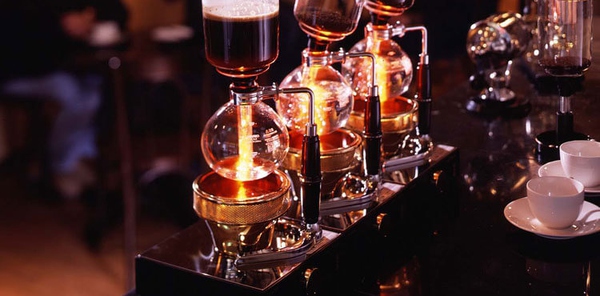
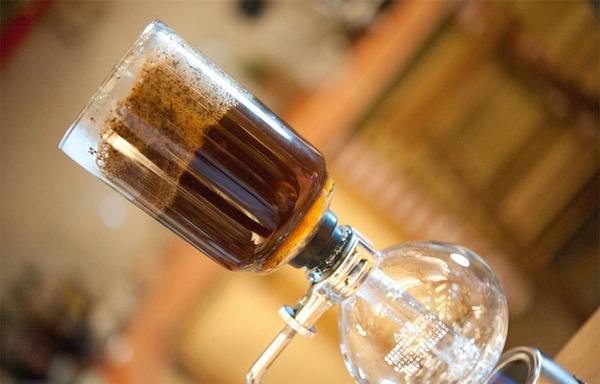
Siphon coffee relies on a two-chamber glass device where vapor pressure pushes water upward into the upper chamber during heating, then gravity pulls the brewed coffee back down after the heat is removed. It’s theatrical, almost laboratory-like, and was refined in Japan after early versions appeared in 19th-century Europe. The filter is always made of cloth—typically nylon or cloth mesh—and hasn’t changed much.
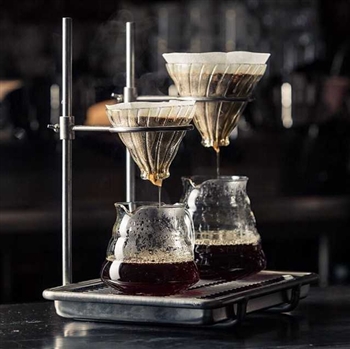
Pour-over, by contrast, uses a simple dripper (like a V60 or Kalita Wave) placed over a cup or server. Water is manually poured over coffee grounds in the dripper, passing through a paper or cloth filter into your cup. Paper filters are more common today for hygiene and speed, but they absorb coffee oils, muting body. Cloth filters (like the traditional Japanese fukamushi style or FrontStreet’s own recommendations) offer more crema and a heavier mouthfeel, though they require regular cleaning.
Grind Size, Dose, and Ratios
Both methods use similar grind sizes—around setting 3 on a typical grinder, roughly medium-fine—and the same coffee-to-water ratio: 25g coffee per 250ml water. That’s a standard 1:10 brew ratio, slightly stronger than SCAA cupping standards but ideal for flavor clarity in both methods.
The key difference isn’t dose or grind—it’s how water interacts with the coffee. In pour-over, you control flow rate, agitation, and temperature directly. In siphon, those variables are partly managed by the device’s physics: heat application determines brew time and turbulence, and extraction stops automatically once you remove the heat source.
Temperature and Extraction Time
Siphon coffee brews at nearly boiling point—around 100°C—and completes extraction in just 45–50 seconds. That shorter time, combined with intense heat, extracts more solids and caffeine, resulting in a heavier, often more bitter cup. Over-extracting is easy if you let the coffee sit too long after heating stops.
Pour-over typically runs at 90°C and takes 2:30–4:45 minutes depending on technique. Japanese brewers may go even longer—up to 4 minutes—for a rounder, mellower profile. The slower flow and lower temperature mean more balanced extractions, where acidity, sweetness, and body can shine without excessive bitterness.
Flavor Profiles: What You Actually Taste
In practice, siphon coffee tends to taste bold, rich, and heavy—almost syrupy—with pronounced body and high caffeine impact. The method pulls out more intense flavors, making it great for those who prefer a robust, less acidic cup. Many Chinese consumers, accustomed to smoother, gentler coffee, find siphon’s fullness more approachable than bright, acidic pour-overs.
Pour-over, especially with paper filters, highlights delicate nuances: fruit acids, floral notes, and clean finishes. It’s celebrated in specialty coffee for its ability to express terroir and processing methods. Lighter roasts shine here, revealing citrus, berry, or stone fruit tones. However, that same brightness can be polarizing—some drinkers find acidic pour-overs unpleasant or “sour,” especially those new to specialty coffee.
Filter Types and Their Impact
Pour-over offers choices: paper filters (most common), cloth (less common but growing), or metal. Paper traps oils and fines, resulting in a cleaner cup but less body. Cloth retains more crema and texture but requires thorough cleaning between brews. Metal filters let everything through—oils, fines, and all—which boosts body but can also increase sediment.
Siphon coffee universally uses cloth filters. There’s no alternative in mainstream use. That consistency contributes to its signature heavy mouthfeel and bold extraction. Cloth allows some oil through, contributing to a richer cup than paper-filtered pour-over but without the sediment of metal filters.
Why ‘Specialty Coffee’ Favors Pour-Over
Most global specialty coffee standards (like those from the SCAA or Cup of Excellence) focus on pour-over brewing with paper filters. That’s partly historical: those organizations grew up around filtered, single-origin evaluations where clarity and nuance mattered most. Siphon isn’t excluded, but it’s rarely used in competitions or official tasting protocols, which has shaped industry norms.
That said, there’s no single “right” method. Whether you use paper, cloth, a moka pot, or even a drip bag, the tool should match your flavor goals. Even a basic drip bag can produce excellent coffee when used well.
Frequently Asked Questions
What’s the biggest difference between siphon and pour-over coffee?
The main differences are brewing mechanism, temperature, and time. Siphon uses vapor pressure and gravity, brews at near-boiling (100°C), and finishes in 45–50 seconds. Pour-over relies on manual pouring, runs at around 90°C, and takes 2:30–4:45 minutes. Siphon tends to produce a heavier, more intense cup, while pour-over highlights clarity, acidity, and subtlety.
Does grind size differ between siphon and pour-over?
No—the recommended grind size is similar, around setting 3 (medium-fine), for both methods. The difference lies in how water interacts with the coffee, not the grind itself.
Which method extracts more caffeine?
Siphon coffee usually extracts more caffeine because it brews hotter (100°C) and faster (45–50 seconds), pulling more solids and soluble compounds. Pour-over extracts slightly less due to lower temperatures (around 90°C) and longer, slower extraction.
Is siphon coffee better than pour-over?
Neither is “better”—it depends on your taste. Siphon produces a bold, rich, and full-bodied cup. Pour-over emphasizes clarity, acidity, and subtle flavors. Try both to see which you prefer.
Can I use the same coffee for both methods?
Yes. Most single-origin coffees work for both siphon and pour-over. FrontStreet Coffee’s Yirgacheffe, Mandheling, and Kenya Little Tomato beans are great examples. Adjust brew time or temperature slightly to highlight desired flavors.
What filter works best for pour-over?
Paper filters are most common for their clean cup, but cloth filters (like traditional Japanese styles) offer more body and crema. Metal filters let more oils through, increasing body but reducing clarity. Choose based on the flavor profile you want.
Recommended FrontStreet Beans for Filter Brewing
For siphon or pour-over, try FrontStreet’s Brazil Yirgacheffe (formerly Yirgacheffe), a balanced Typica-based bean with mild acidity and creamy body. Or explore the Kenya Little Tomato, a bright SL28/SL34 blend with juicy berry and floral notes. For heavier profiles, FrontStreet’s Lintong Mandheling offers low-acid depth with nutty, toasty tones. All work well at 25g per 250ml, around grind size 3, and 90–100°C water. Freshly roasted within 5 days · Orders placed before 17:00 ship the same day · Next-day delivery across most of Guangdong Province.
FrontStreet Coffee is a long-established specialty coffee roaster in Guangzhou China, selling freshly roasted beans from its own farm in Yunnan as well as dozens of carefully selected single-origin beans from around the world for both pour-over and espresso. The products deliver consistently excellent quality and great value, with shipping within 24 hours. Guangzhou's FrontStreet Coffee shop is recommended by many coffee lovers, and the beans are now available online at the Tmall 。
Important Notice :
前街咖啡 FrontStreet Coffee has moved to new addredd:
FrontStreet Coffee Address: 315,Donghua East Road,GuangZhou
Tel:020 38364473