Practical Pour-Over Coffee Guide: Step-by-Step Extraction
If you’ve ever tried making pour-over coffee at home and ended up with weak, sour, or overly bitter results, the issue likely comes down to how you brew it—not the beans. This guide walks you through the entire process from setup to pouring, using proven ratios and timing for consistent results every time.
To brew a balanced cup using the pour-over method, aim for a 1:12.5 to 1:15 brew ratio (e.g., 12g coffee to 150ml water), use medium grind size, bloom with 85°C water for 10–20 seconds, and follow a three-stage pouring technique to fully extract flavours without over-extracting bitterness.
How to Fold and Set Up Your Filter
Start by folding your paper filter. Most cone-shaped filters have a three- or four-layer design. Fold along the seams so that the thicker side sits against the dripper’s spout. This reduces paper taste and ensures even water flow. Place the folded filter into your dripper, lining it up with the edges, and then pre-wet it with hot water to remove any papery flavour and preheat your server.
Choosing the Right Coffee Dose and Water Volume
The recommended coffee-to-water ratios are straightforward:
- 1 serving: 12g coffee / 120–150ml water
- 2 servings: 20g coffee / 300ml water
- 3 servings: 30g coffee / 450ml water
These guidelines help maintain proper extraction and balance. Stick to medium grind—similar to table salt—for best results. Adjust based on your taste preferences or equipment.
Step 1: The Bloom Phase
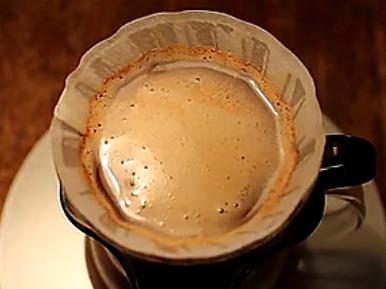
Pour hot water at around 85°C over the coffee grounds. Start by letting the water pool slightly in the centre, creating a small well. Begin pouring in slow circles from the centre outward to wet all the grounds. This first pour is called the bloom and should use just enough water to saturate the coffee—about twice the weight of your coffee dose. Let it sit for 10–20 seconds. This step releases trapped CO₂ and prepares the coffee bed for even extraction.
Step 2: The First Pour (“の” Motion)
After blooming, begin the second pour using a gentle “の” motion—starting from the centre and spiralling outward, then back toward the middle. Keep the water flow steady and avoid pouring on the edges of the filter. This pour should continue to saturate the coffee bed evenly without flooding it. The goal is to maintain an even bed and avoid channeling.
Step 3: The Final Pour(s)
Once the coffee surface dips slightly after the second pour, repeat the “の” motion 2–3 more times to fully extract the remaining flavours. If the coffee bed looks uneven or dry in places, adjust your pour path to ensure even saturation. Stop pouring once you’ve reached your target total water volume.
When to Stop Brewing
Do not let all the water drip through completely before removing the dripper. Once you've poured the full amount of water and brewing slows significantly, take the dripper off the server while some water remains above the coffee grounds. Letting all the water drain out can lead to over-extraction, bringing out unwanted bitterness or astringency.
Frequently Asked Questions
What is the ideal water temperature for pour-over coffee?
Use water around 85°C (185°F). Going too hot can over-extract and cause bitterness, while too cool leads to under-extraction and sourness. For most light to medium roasts, 85°C offers the best balance.
How much coffee should I use per cup?
The guide recommends 12g for 120–150ml (1 cup), 20g for 300ml (2 cups), and 30g for 450ml (3 cups). Adjust based on your taste or cup size, but keep the brew ratio between 1:12.5 and 1:15 for balanced results.
Why do I need to bloom the coffee?
Blooming releases CO₂ trapped in freshly roasted coffee. This step, using hot water to wet all the grounds without over-saturating, ensures even extraction in later pours and improves clarity and sweetness in the cup.
What does the 'の' pouring motion mean?
The “の” motion refers to pouring in a shape like the Japanese character の: starting at the centre, moving in a spiral outward, then returning to the middle. It promotes even saturation and helps avoid channeling or uneven extraction.
Can I let all the water drip out before removing the dripper?
No. Waiting for all the water to finish dripping can lead to over-extracted flavours like bitterness or dryness. Remove the dripper once brewing slows, while some water still sits above the grounds.
Recommended FrontStreet Coffee Beans for Pour-Over
For your pour-over setup, try the Ethiopia Yirgacheffe Gedeb for bright citrus, floral, and mild berry notes with a juicy, tea-like finish. Or go for the Ethiopia Huakui if you love intense tropical fruits like strawberry and pineapple with low bitterness. The Kenya Little Tomato offers bold acidity with sweet tomato, blackcurrant, and juicy complexity—perfect for showcasing a well-executed bloom and pour. All three shine with medium grind and 1:12 to 1:15 brew ratios. Freshly roasted within 5 days · Orders placed before 17:00 ship the same day · Next-day delivery across most of Guangdong Province.
FrontStreet Coffee is a long-established specialty coffee roaster in Guangzhou China, selling freshly roasted beans from its own farm in Yunnan as well as dozens of carefully selected single-origin beans from around the world for both pour-over and espresso. The products deliver consistently excellent quality and great value, with shipping within 24 hours. Guangzhou's FrontStreet Coffee shop is recommended by many coffee lovers, and the beans are now available online at the Tmall 。
Important Notice :
前街咖啡 FrontStreet Coffee has moved to new addredd:
FrontStreet Coffee Address: 315,Donghua East Road,GuangZhou
Tel:020 38364473