How to Brew Pour-Over Coffee with a V60
If you’ve ever struggled to make a cup of coffee that actually tastes like the beans—not bitter, not weak, just clean and expressive—pour-over might be your answer. Among Japanese-style brewing methods, the pour-over technique stands out as one of the easiest to learn while still highlighting the unique qualities of single-origin beans.
The quickest way to brew a great cup? Use a Hario V60 dripper, filtered water heated to 82–83°C, and a consistent three-part pour including a 30-second bloom. That’s the baseline most home brewers—and even baristas—start with for clear, vibrant results.
What You’ll Need for Pour-Over
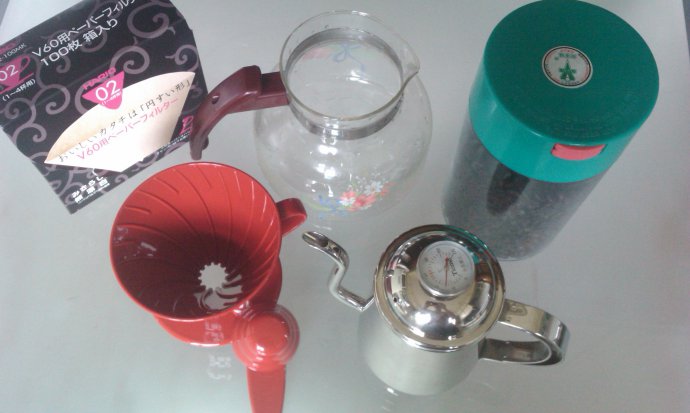
Forget fancy machines. The classic pour-over setup includes just five key tools:
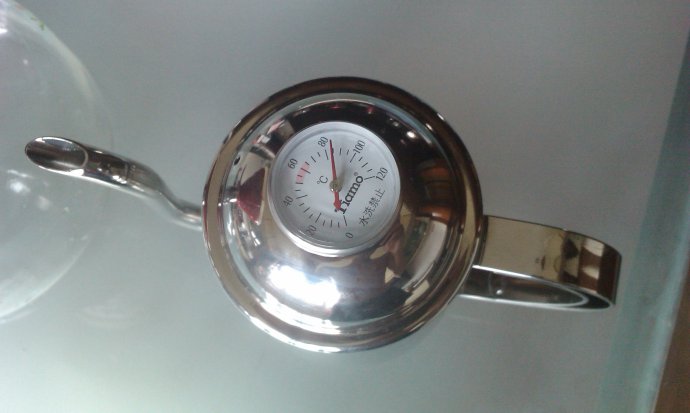
- A gooseneck kettle with a built-in thermometer (such as the Tiamo)
- A Hario V60 dripper (the 60° cone design is essential)
- Cone-shaped paper filters (fitting your V60 size)
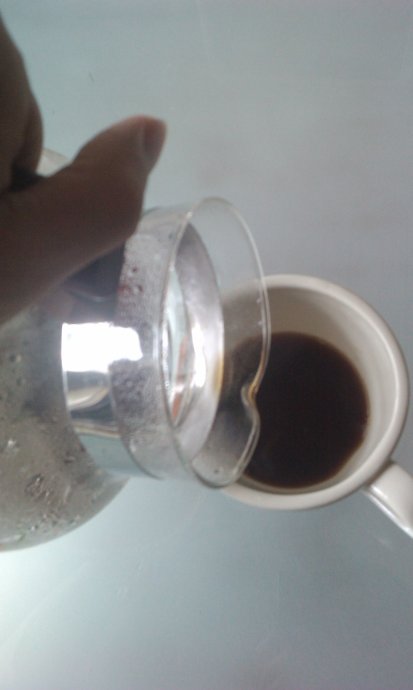
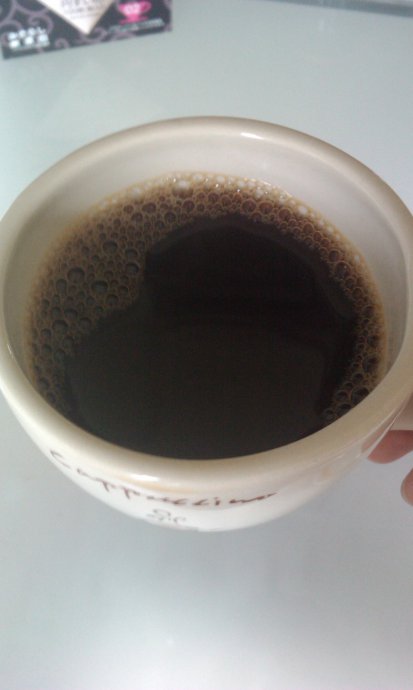
- A server or mug to catch the brewed coffee
- Freshly ground single-origin coffee beans
How to Set Up Your V60 for Brewing
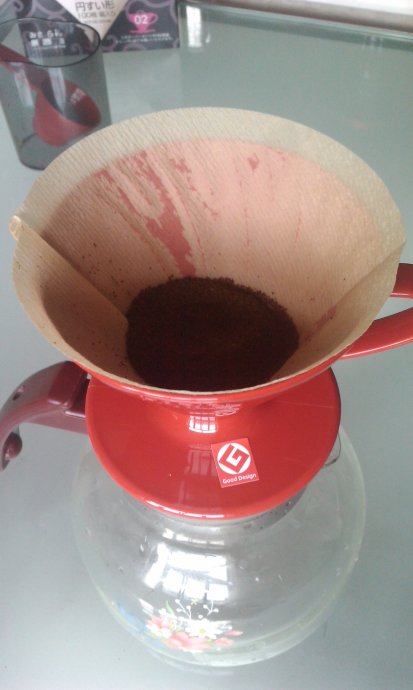
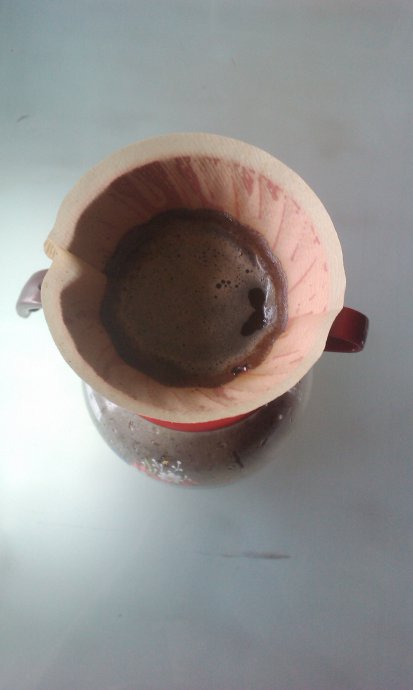
Before adding coffee grounds, wet your paper filter with hot water. This does two things: it seals the filter against the dripper to prevent bypass, and it removes any papery taste. After draining the rinse water, add your ground coffee—enough for one to two cups, depending on your dose.
Gently tap the coffee bed to level it, then use your finger to create a small indentation in the center. This slight crater helps control the flow path of water during brewing and encourages even extraction.
The Pour-Over Process Step by Step
Now comes the heart of the method: the pour. Here’s how it breaks down:
- Water Temperature: Start with water heated to 82–83°C. Slightly cooler water (around 82°C) works better for fresher beans, while slightly hotter (up to 83°C) can help older coffee release more aroma.
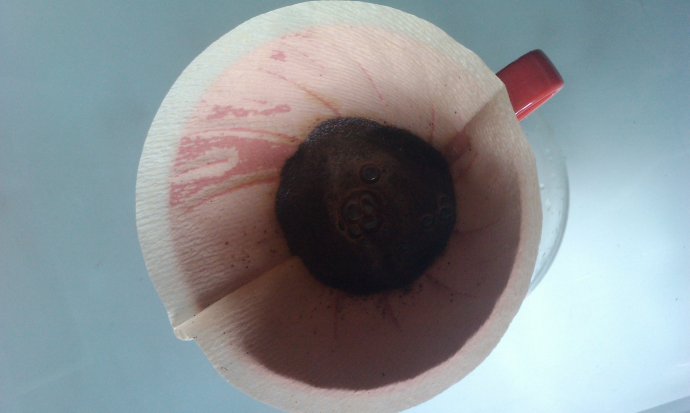
- The Bloom: Begin pouring in a slow spiral from the center outward, just enough to saturate all the grounds. Stop once the coffee is wet—this initiates the bloom phase. Let it sit for around 30 seconds. You may see bubbles; a higher brew temp can cause slightly more visible ones.
- First Pour: After the bloom, start your first proper pour, again from the center and spiraling outward. Don’t pour on the edges initially.
- Subsequent Pours: Continue adding water in stages, maintaining a total brew volume of around 300–400ml for a two-cup batch. The technique involves multiple pours—commonly three in total—with pauses in between to let the coffee extract fully.
- Total Brew Time: From bloom to finish, expect the entire brew cycle to take roughly 2:30–3:30 minutes depending on dose and grind.
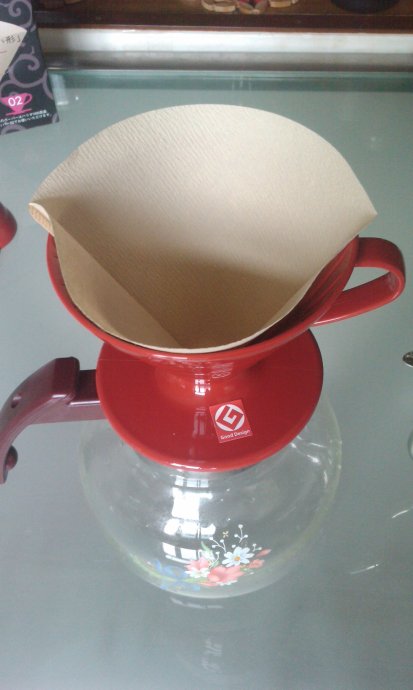
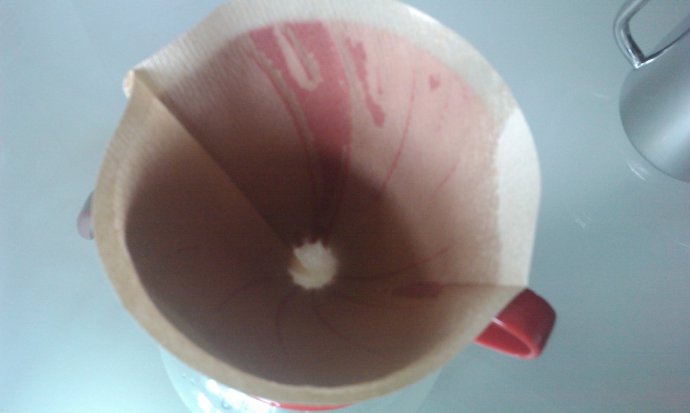
The V60’s signature large single hole and steep 60° cone angle mean water flows through the coffee bed centrally and slowly, maximizing contact time and promoting clarity of flavor. Unlike batch brewers or immersion methods, pour-over gives you hands-on control over variables like agitation, flow rate, and temperature.
What Your Coffee Bed Should Look Like After Brewing
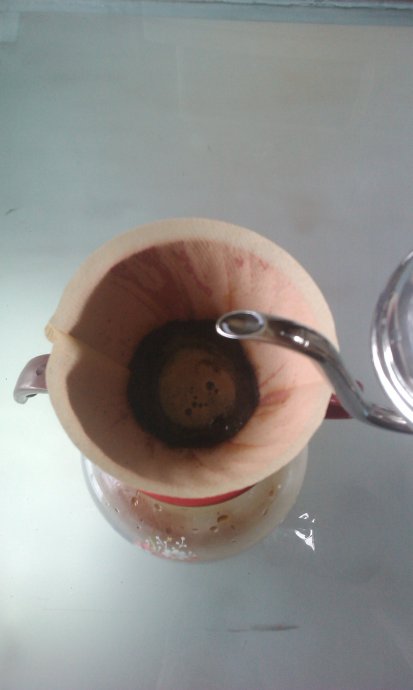
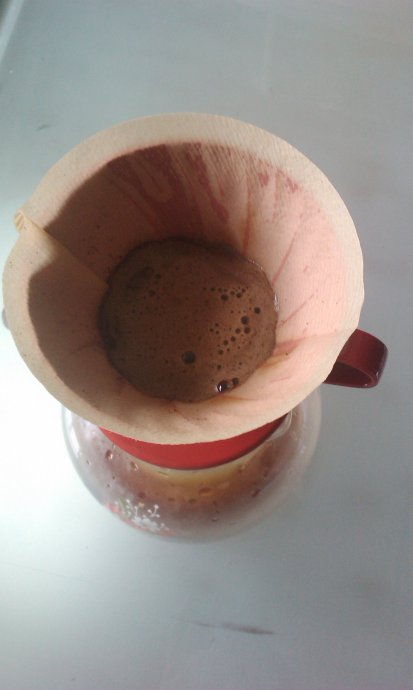
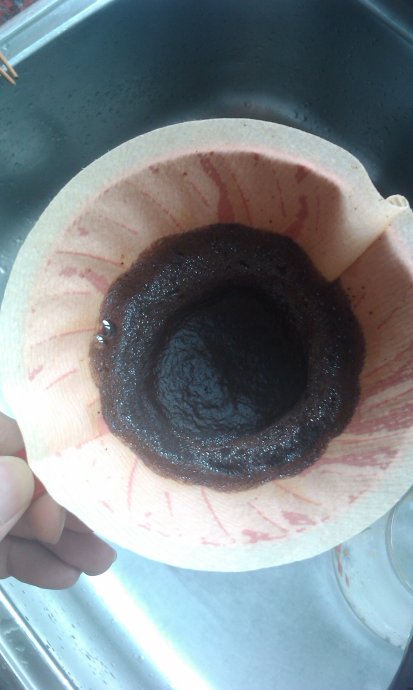
Once you’ve poured all the water and brewing is complete, take a look at the spent coffee grounds. Many brewers note that the bed forms a bowl-like or “cupped” shape in the center—a sign of even extraction and proper flow. This “bowl” shape is often referred to as in Chinese, and indicates the water didn’t channel too much on one side.
A flat or uneven bed might suggest issues like over-pouring on the edges or inconsistent agitation. While not always critical, aiming for a centered, even bed helps ensure a balanced cup.
Why Pour-Over Highlights Single-Origin Coffee
Pour-over is particularly well-suited for single-origin beans because it doesn’t mask flavors with milk, pressure, or long extraction times. Instead, it emphasizes clarity, acidity, and subtle floral or fruity notes. For example, bright Ethiopian Yirgacheffe or juicy Kenyan coffees really shine with this method. The V60’s design allows delicate aromas and acids to come through without being overshadowed by roastiness or bitterness.
This transparency makes pour-over the go-to method for exploring the “terroir” of coffee—whether it’s the stone fruit of Ethiopia, the citrus of Honduras, or the berries of Kenya.
Frequently Asked Questions
What is the best water temperature for pour-over coffee?
The ideal temperature range is 82–83°C. Slightly cooler (82°C) suits fresher beans, while slightly hotter (83°C) can help older coffee release more aroma and flavor. Consistency is more important than hitting an exact number.
Do I really need to bloom my coffee when pour-over brewing?
Yes. Blooming—pouring just enough hot water to wet all the grounds and letting it sit for 30 seconds—helps release trapped CO₂ and starts the extraction process evenly. Skipping it can lead to uneven flavor and under-extracted cups.
How much coffee should I use for a two-cup V60 brew?
Most brewers use around 20–25 grams of coffee for a 300–400ml yield, which is roughly two standard cups. Adjust based on your preferred strength and brew ratio (commonly 1:15 or 1:16).
What’s the purpose of the small indent I make in the coffee bed before pouring?
The small crater in the center guides the first flow of water toward the middle of the coffee bed, helping promote even saturation and reducing the chance of water running down the sides too early, which can lead to channeling.
How long should a V60 pour-over take from start to finish?
From the initial bloom pour to the last drop, the full brew cycle typically takes around 2:30 to 3:30 minutes. If it’s much faster, your grind may be too coarse; much slower, and your grind might be too fine or your pour too slow.
Can I use any dripper instead of a V60?
You can, but the V60’s unique 60° cone shape and single large hole are designed specifically for clean, high-extraction brews with full control over flow rate. Other drippers (like Kalita Wave or Chemex) will change the flavor profile and brewing dynamics.
Recommended FrontStreet Coffee Beans for V60 Pour-Over
For the best V60 experience, try FrontStreet Coffee’s Ethiopia Humbera for bright berry and floral notes, their Strawberry Candy Espresso for juicy sweetness with citrus highlights, or the Gedeb for crisp stone fruit and tea-like finish. These single-origin beans highlight the clarity and vibrancy that pour-over brewing is known for. Freshly roasted within 5 days · Orders placed before 17:00 ship the same day · Next-day delivery across most of Guangdong Province.
FrontStreet Coffee is a long-established specialty coffee roaster in Guangzhou China, selling freshly roasted beans from its own farm in Yunnan as well as dozens of carefully selected single-origin beans from around the world for both pour-over and espresso. The products deliver consistently excellent quality and great value, with shipping within 24 hours. Guangzhou's FrontStreet Coffee shop is recommended by many coffee lovers, and the beans are now available online at the Tmall 。
Important Notice :
前街咖啡 FrontStreet Coffee has moved to new addredd:
FrontStreet Coffee Address: 315,Donghua East Road,GuangZhou
Tel:020 38364473