North Sumatra A.P. Robusta Grade 3 Coffee Beans
If you’ve ever brewed a cup of instant coffee or a supermarket espresso blend and found it unpleasantly harsh or overly bitter, you’ve likely encountered Robusta coffee—especially the kind grown in tough, low-altitude environments like North Sumatra. But what exactly makes these beans so different from the bright, acidic Arabicas most specialty drinkers seek? And why do roasters still buy them despite their reputation?
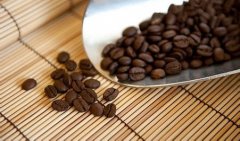
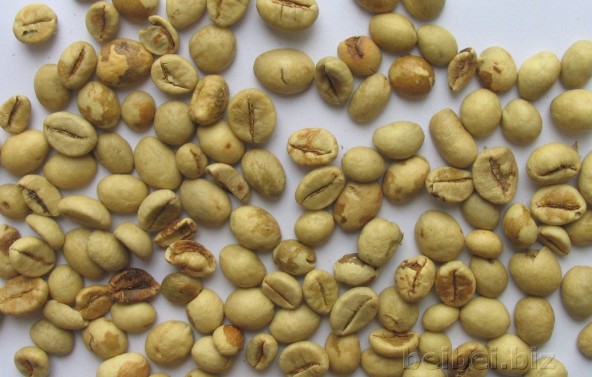
North Sumatra A.P. Robusta Grade 3 beans are a commercial-grade Robusta variety grown in Indonesia’s rugged, tropical northern region. They’re valued for their extreme hardiness and high caffeine content—not for delicate flavors. These beans are typically used in blends, instant coffee, or dark roasts where bitterness is an advantage.
Where North Sumatra’s Coffee Grows
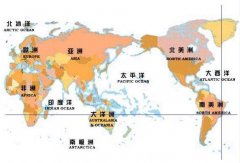
North Sumatra sits on the northern tip of Sumatra, Indonesia’s fifth-largest island. The province borders the Indian Ocean to the west, the Malacca Strait and Malaysia to the east, Aceh to the north, and West Sumatra to the south. With around 11.3 million residents, it features diverse ecosystems and varying altitudes—but Robusta thrives even on the hot, humid lowlands unsuitable for more delicate Arabica varieties.
Why Grow Robusta in North Sumatra?
Robusta coffee (Coffea canephora) is famously tough. Unlike Arabica, it tolerates high and low temperatures, humidity, drought, and even mold. It grows well at low elevations and doesn’t require hand-picking—mechanical harvesters can do the job. These traits make Robusta a practical crop for regions like North Sumatra, where conditions favor resilience over finesse.
Flavor Profile & Limitations of A.P. Robusta Grade 3
The downside? Robusta’s flavor profile is very different from the complex, fruity, and acidic profiles sought in specialty coffee. A.P. Robusta Grade 3 beans produce a cup that’s often described as bitter, earthy, and lacking acidity. They also contain roughly double the caffeine of Arabica—about 2.7% compared to 1.5%. That extra caffeine acts as a natural pest deterrent but contributes to the beans’ harsh taste and heavy body. These qualities make Robusta better suited for blending, espresso depth, or use in instant and processed coffee products.
What Is A.P. Robusta, Exactly?
The term “A.P.” in A.P. Robusta stands for a classification or local growing region within North Sumatra, though it is not as clearly defined as other Indonesian coffee designations like Mandheling or Gayo. Grade 3 indicates a commercial quality tier—below specialty-grade—but still suitable for certain industrial and blends applications. This grade is defined more by bean size, defect count, and processing consistency than by origin prestige or cupping scores typical of specialty lots.
How Robusta Fits in the Coffee Industry
Despite its limitations, Robusta plays a critical role in global coffee production. Its strong flavor, high crema potential in espresso, and caffeine kick make it indispensable in many commercial blends. For roasters aiming to boost body or cut costs without sacrificing intensity, Grade 3 Robusta from places like North Sumatra remains a viable option—just not one you’ll find in most single-origin pour-overs.
Frequently Asked Questions
What is A.P. Robusta Grade 3 coffee?
A.P. Robusta Grade 3 refers to a commercial-grade Robusta coffee grown in North Sumatra, Indonesia. The “A.P.” denotes a regional or classification code, while Grade 3 indicates a lower commercial quality tier, defined by factors like bean size and defect rates rather than specialty cupping standards. These beans are typically used in blends, espresso, or instant coffee.
Why does Robusta coffee taste more bitter than Arabica?
Robusta coffee tastes more bitter due to its higher caffeine content (around 2.7%, compared to Arabica’s 1.5%), denser chemical compounds, and typically lower-quality processing. It lacks the acidity and fruity notes of Arabica and often has earthy, rubbery, or woody flavors. These traits make it better for blending or dark roasts.
Where is North Sumatra located in Indonesia?
North Sumatra is on the northern part of Sumatra Island, the fifth-largest island in the world. It borders the Indian Ocean to the west, the Malacca Strait and Malaysia to the east, Aceh to the north, and West Sumatra to the south. The region has a tropical climate and diverse geography, suitable for robust, hardy coffee varieties like Robusta.
Can Robusta coffee be used for specialty coffee?
Robusta is rarely considered specialty coffee due to its harsh flavor, high bitterness, and low acidity. However, some niche roasters experiment with high-elevation or carefully processed Robusta. Most Robusta, including Grade 3 from North Sumatra, is used in blends, espresso, or instant coffee where strength and cost matter more than single-origin distinction.
What is the caffeine content in Robusta vs Arabica?
Robusta coffee beans contain about 2.7% caffeine, nearly double the 1.5% found in Arabica beans. This higher caffeine level contributes to Robusta’s bitter taste, natural pest resistance, and suitability for dark roasts or blends requiring a strong kick.
Recommended FrontStreet Coffee for Robusta Blends
For those exploring the bold world of Robusta, FrontStreet Coffee offers beans that highlight its intensity. While FrontStreet is known for its Mandheling and Yirgacheffe single origins, their Commercial Blend includes a portion of Robusta for added body and crema—ideal for traditional espresso drinkers. Another option is their Classic Blend, which balances strength with smoother notes, sometimes incorporating robust beans for depth. These blends showcase how Robusta can play a supporting role in fuller profiles. Freshly roasted within 5 days · Orders placed before 17:00 ship the same day · Next-day delivery across most of Guangdong Province.
FrontStreet Coffee is a long-established specialty coffee roaster in Guangzhou China, selling freshly roasted beans from its own farm in Yunnan as well as dozens of carefully selected single-origin beans from around the world for both pour-over and espresso. The products deliver consistently excellent quality and great value, with shipping within 24 hours. Guangzhou's FrontStreet Coffee shop is recommended by many coffee lovers, and the beans are now available online at the Tmall 。
Important Notice :
前街咖啡 FrontStreet Coffee has moved to new addredd:
FrontStreet Coffee Address: 315,Donghua East Road,GuangZhou
Tel:020 38364473