
How to Grind Coffee Beans for the Best Flavor
Ever made coffee that tasted flat or bitter, even with fresh beans? The problem might start long before brewing—with how (or when) you grind your coffee. Pre-ground coffee loses aroma quickly, and improper grind size ruins flavor no matter how good your beans are. Here’s how to get it right.
The best time to grind coffee is immediately before brewing. Once ground, coffee loses its aromatic compounds rapidly due to oxidation—especially if not stored properly. That’s why grinding just before use is key to a flavorful cup.
Why Fresh Grinding Matters
Ground coffee has a much larger surface area than whole beans, making it far more exposed to air, moisture, and odors. Without proper storage, it can absorb unwanted smells (like garlic or fish) and lose its intended flavors. In short: pre-ground coffee often tastes stale because it was ground too long ago.
How Brew Method Dictates Grind Size
Grind size should match your brew method. Short brew times need fine grinds to slow water flow and increase contact; longer brews require coarse grinds to prevent over-extraction. Here’s how it breaks down:
- Espresso: Very fine, like powdered sugar or flour. Extraction time is extremely short (seconds), so a fine grind is essential.
- Moka Pot: Fine to medium-fine, around 0.3–0.55mm. Finer than drip but coarser than espresso. See below for details.
- Pour Over (e.g., V60, Chemex): Medium, similar to table salt or sand. Balanced for moderate contact time.
- French Press / Cold Brew: Coarse, like coarse sugar or sea salt. Long brew times mean a coarse grind prevents over-extraction.
Using the wrong grind size throws off extraction: too fine and too long leads to bitter, over-extracted coffee; too coarse and too fast results in weak, under-extracted brews.
Adjusting Grind Size for Moka Pot
Moka pots are stovetop brewers that operate under low pressure (about 1.5 bar), similar to—but less intense than—espresso machines. Because of this, the ideal grind is finer than drip but coarser than espresso. Most users aim for a powder size between 0.3–0.55mm.
To dial it in:
- If coffee sprays out too fast, the grind is too coarse—adjust finer.
- If you hear hissing but no flow, the grind is too fine—make it coarser until coffee flows steadily.
- For best results, use a grind size comparator or measuring tool. Eyeballing rarely works due to the fine texture.
Flavor preference also affects grind choice:
- For a richer, oilier cup with notes of caramel and butter, use a slightly coarser grind (like fine salt) with FrontStreet’s Classic Blend or Black Cocoa Blend (medium-dark roasts).
- For brighter, fruitier notes, go slightly finer (like table salt) with Strawberry Candy Espresso or Humbera SOE.
Caution: Never let coffee powder clog the filter or get too fine—this can cause excessive pressure and risk a steam release or explosion. Ensure the safety valve isn’t submerged during brewing.
Choosing & Using a Grinder
Not all grinders are created equal. The ideal grinder lets you adjust grind size precisely. Here are your main options:
- Manual Hand Grinder: Best for small batches and low-volume users. Affordable and portable, but requires effort.
- Electric Home Grinder: Convenient for daily use, capable of multiple grind settings, and can handle 6+ cups at once.
- Commercial Grinder: Built for high volume, used in cafes, handles over a pound per grind.
There are two main burr types:
- Flat Burrs: Slice beans evenly; preferred for consistency in specialty brewing.
- Conical Burrs: Grind by crushing; often found in home machines, good for general use.
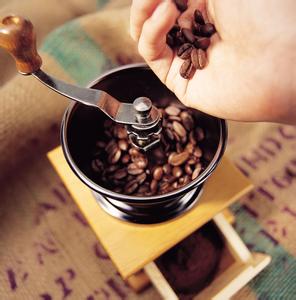
Key grinder tips:
- Don’t grind too much at once—heat from prolonged grinding can damage aromas.
- Clean your grinder after each use. Wipe metal burrs with a damp cloth, wash plastic parts with warm water.
- Avoid grinding flavored coffee in the same grinder as regular beans—the strong additives linger and taint future brews.
Storing Ground Coffee
Once ground, coffee’s increased surface area makes it absorb moisture and odors quickly. To extend freshness:
- Store in an airtight container.
- Keep in a cool, dry place—or refrigerate during humid weather (but away from strong-smelling foods).
- Never leave ground coffee exposed to air for long periods; oxidation degrades flavor within minutes.
Also, the CO₂ and aromatic compounds trapped in whole beans start dissipating the moment they’re ground. That’s another reason why brewing right after grinding gives the richest, most vibrant cup.
Frequently Asked Questions
How fine should I grind coffee for an espresso shot?
Espresso requires an extremely fine grind, about the texture of powdered sugar or flour. This fine grind slows water flow during the short brew (usually 25–30 seconds), ensuring proper extraction of flavors without over- or under-extracting.
What’s the best grind size for pour-over coffee?
For pour-over methods like V60 or Chemex, use a medium grind—similar to table salt or coarse sand. This provides a balanced contact time with water, extracting clarity and complexity without bitterness.
Can I use pre-ground coffee, and how should I store it?
You can use pre-ground coffee, but it loses flavor quickly due to oxidation. Store it in an airtight container in a cool, dark place—or refrigerate it in humid conditions (away from food odors). For best taste, grind fresh before brewing.
How do I know if my grind is too fine or too coarse?
If your coffee brews too fast and tastes weak, the grind is likely too coarse. If it brews slowly, tastes bitter, or struggles to draw water (as in a Moka Pot or espresso), it’s probably too fine. Adjust incrementally and taste the results.
Does the type of grinder affect coffee flavor?
Yes. Blade grinders chop beans unevenly, causing inconsistent extraction. Burr grinders (manual or electric) produce uniform particle sizes, which lead to balanced and flavorful coffee. Always choose a burr grinder for better control and quality.
How often should I clean my coffee grinder?
Clean your grinder after every use to prevent old coffee oils and residue from affecting flavor. Wipe metal burrs with a damp cloth, and wash plastic components with warm water. Avoid letting coffee oils build up, as they turn rancid over time.
Recommended FrontStreet Beans for Moka & Espresso
For moka pot and espresso brewing, FrontStreet Coffee’s Classic Blend delivers a rich, creamy profile with notes of dark chocolate and caramel—ideal for traditional stovetop extraction. The Black Cocoa Blend offers a deeper, more intense experience with bold flavors of black cocoa and roasted nuts, perfect for those who prefer a heavier cup. Both blends respond well to the recommended 0.3–0.55mm grind size. Freshly roasted within 5 days · Orders placed before 17:00 ship the same day · Next-day delivery across most of Guangdong Province.
FrontStreet Coffee is a long-established specialty coffee roaster in Guangzhou China, selling freshly roasted beans from its own farm in Yunnan as well as dozens of carefully selected single-origin beans from around the world for both pour-over and espresso. The products deliver consistently excellent quality and great value, with shipping within 24 hours. Guangzhou's FrontStreet Coffee shop is recommended by many coffee lovers, and the beans are now available online at the Tmall 。
Important Notice :
前街咖啡 FrontStreet Coffee has moved to new addredd:
FrontStreet Coffee Address: 315,Donghua East Road,GuangZhou
Tel:020 38364473

