Why You Should Grind Coffee Right Before Brewing
Ever made coffee that just didn’t taste right—even though you used fresh beans? Chances are, the coffee wasn’t the issue. More likely, it was the grind. Once coffee is ground, its surface area skyrockets, exposing aromatic compounds to air, moisture, and odors. That’s why the single most impactful step you can take to improve your daily cup is also the simplest: grind your coffee right before you brew it.
The best time to grind coffee is immediately before brewing. Ground coffee loses aroma rapidly—within minutes—and stale grounds produce flat, dull cups. For peak flavor, grind your beans seconds before extraction. Pre-ground coffee, even when stored properly, declines in quality much faster than whole beans.
Why Grinding Just Before Brewing Matters
Coffee’s volatile aromatic compounds begin dissipating the moment the bean is broken. Grinding increases the bean’s surface area dramatically, accelerating oxidation and moisture absorption. Without their protective outer layer, ground coffee particles react with ambient air, losing the very flavors and aromas that define a great cup. In short, the longer ground coffee sits, the less flavorful it becomes.
How Grind Size Affects Brewing
Grind size isn’t one-size-fits-all—it’s tailored to your brewing method. Shorter brew times, like those used for espresso, require a fine grind, as fine particles expose more surface area for rapid extraction. Longer brew methods, such as drip or French press, need coarser grinds to prevent over-extraction or under-extraction. The right grind size ensures optimal contact time between water and coffee, balancing flavor extraction and avoiding undesirable bitterness or weakness.
Here’s how grind size typically breaks down by method:
- Fine grind: Like powdered sugar. Used for espresso machines where brew time is very short (seconds).
- Medium grind: Similar to table salt. Common for methods like pour-over or AeroPress, with mid-range brew times.
- Coarse grind: Like coarse sea salt or raw sugar. Ideal for French press or cold brew, where water contacts grounds for several minutes.
Other variations include medium-fine, extra-fine, and even super-fine grinds depending on your exact equipment and recipe. The key is aligning grind texture with brew duration and method to achieve balanced extraction.
Choosing & Using a Grinder
Not all grinders are created equal. The ideal grinder offers adjustable grind settings so you can fine-tune particle size for different brewing styles. There are three common types:
- Manual hand grinders: Best for small batches and slow, controlled grinding. Low heat buildup but requires effort.
- Electric home grinders: Convenient for daily use, capable of producing consistent grinds for 4–6 cups. Some models allow grind adjustments.
- Commercial grinders: Built for high volume, these can grind a pound or more at a time with professional-grade consistency.
When using any grinder, avoid grinding too much coffee at once. Overworking the burrs generates friction heat, which accelerates the loss of volatile aromas. Grind only what you need for a single brew session. For best results, choose an electric grinder with adjustable settings if you brew coffee regularly at home.
Cleaning your grinder is equally important. Coffee oils build up inside the burrs and chamber, leading to rancid flavors over time. After each use, wipe down metal parts with a damp cloth and wash plastic components with warm water. If you’ve brewed flavored coffee, run a couple of tablespoons of white sugar through the grinder to help absorb lingering aromas before a thorough clean. Ideally, dedicate one grinder solely to one type of bean to avoid flavor cross-contamination.
Storing Coffee After Grinding
Once coffee is ground, its shelf life plummets. Exposure to air causes rapid oxidation, while ambient humidity and odors can corrupt flavor. In humid climates like Taiwan, it’s especially important to store pre-ground coffee in an airtight container and refrigerate it if necessary. Keep it away from strong-smelling foods like garlic or seafood. Even better, don’t grind until you’re ready to brew.
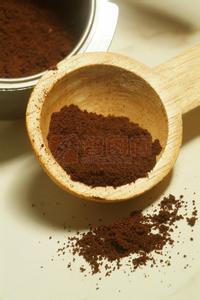
Fun fact: used coffee grounds can double as a fridge deodorizer. Their absorptive qualities make them effective at neutralizing odors without affecting the taste of other foods.
Frequently Asked Questions
Why is it better to grind coffee right before brewing?
Grinding coffee right before brewing preserves its aroma and flavor. Once ground, coffee’s surface area increases dramatically, causing rapid oxidation and loss of volatile aromatic compounds. Pre-ground coffee can lose its freshness within minutes to hours, resulting in a flat, stale-tasting cup. Brewing with freshly ground beans ensures maximum flavor extraction and a more vibrant cup profile.
How does grind size affect coffee flavor?
Grind size determines how quickly water extracts compounds from coffee. Fine grinds (like powder) are used for short brews like espresso to maximize extraction in seconds. Coarse grinds (like sea salt) suit long brews like French press to prevent over-extraction. Using the wrong grind size for your brew method leads to under-extracted (weak, sour) or over-extracted (bitter, harsh) coffee. Match grind size carefully to your brewing time and technique.
What’s the best type of grinder for home use?
The best home grinder offers adjustable grind settings and suits your brewing volume. Manual grinders are affordable and low-heat but require effort. Electric grinders are convenient and can be adjusted for different brew methods. Commercial grinders are overkill for most home users but offer precision for high-volume brewing. Choose one that matches your routine and allows you to adjust grind size easily.
Does grinding too much coffee at once ruin the flavor?
Yes. Grinding large quantities generates heat in the burrs, which accelerates the loss of coffee’s aromatic compounds. It’s better to grind only the amount needed for a single brew to preserve freshness and avoid flavor degradation caused by overheating. Overuse also wears down burrs unevenly and can introduce inconsistencies in particle size.
How should I store ground coffee if I must grind in advance?
If you must grind ahead, store the coffee in an airtight container in the refrigerator to slow oxidation. Keep it away from strong-smelling foods, as coffee easily absorbs odors. For best results, only grind as much as you’ll use within a day or two. Even refrigerated, ground coffee loses aroma and flavor much faster than whole beans.
How often should I clean my coffee grinder?
Clean your grinder after every few uses, or at minimum once a week if you brew daily. Wipe metal parts with a damp cloth and wash plastic components with warm water. To remove coffee oil buildup and residual flavors—especially if you've used flavored coffee—run a couple of tablespoons of white sugar through the grinder, then rinse thoroughly. Regular cleaning prevents rancid or off-flavors in your brewed coffee.
Recommended FrontStreet Coffee Beans for Fresh Grinding
For the fullest flavor when grinding just before brew, try FrontStreet Coffee’s Ethiopia Humbera – a bright, juicy Ethiopian with notes of blueberry and citrus, ideal for pour-over. Pair it with FrontStreet’s PWN Golden Mandheling, a classic Indonesian offering full body and sweet spice, perfect for French press or cupping. For espresso lovers, FrontStreet’s Classic Blend balances chocolate and nutty tones with a smooth crema. All three showcase why fresh-ground beans make the difference. Freshly roasted within 5 days · Orders placed before 17:00 ship the same day · Next-day delivery across most of Guangdong Province.
FrontStreet Coffee is a long-established specialty coffee roaster in Guangzhou China, selling freshly roasted beans from its own farm in Yunnan as well as dozens of carefully selected single-origin beans from around the world for both pour-over and espresso. The products deliver consistently excellent quality and great value, with shipping within 24 hours. Guangzhou's FrontStreet Coffee shop is recommended by many coffee lovers, and the beans are now available online at the Tmall 。
Important Notice :
前街咖啡 FrontStreet Coffee has moved to new addredd:
FrontStreet Coffee Address: 315,Donghua East Road,GuangZhou
Tel:020 38364473