Why Does Coffee Taste Acidic? Understanding Coffee Acidity
If you’ve ever been asked, 'Is your coffee sour?' or said, 'I don’t like acidic coffee,' you’re not alone. Many coffee drinkers—especially those new to specialty coffee—confuse a natural, desirable coffee trait with the unpleasant sharpness of vinegar or lemon juice. But in coffee tasting, ‘acidity’ doesn’t mean sour in the everyday sense. So why does your cup sometimes taste sharp, tart, or bright?
In short: what people call ‘acidic’ coffee usually refers to a bright, vibrant sensation called acidity in specialty terms—a positive attribute. It’s not the same as sourness. Coffee without acidity can taste flat or lifeless. Acidity varies by origin and roast level, and understanding it helps you find coffees you’ll actually enjoy.
What Is Acidity in Coffee?
In coffee tasting vocabulary, ‘Acidity’ (note the capital A) refers to a lively, tangy, or refreshing quality on the tongue—not stomach acid or pH-level acidity. Think of it like the crisp sensation you get from biting into a green apple or sipping a dry white wine. It’s a sought-after trait, often described as bright, juicy, or sparkling. This kind of acidity contributes to a coffee’s complexity and vibrancy.
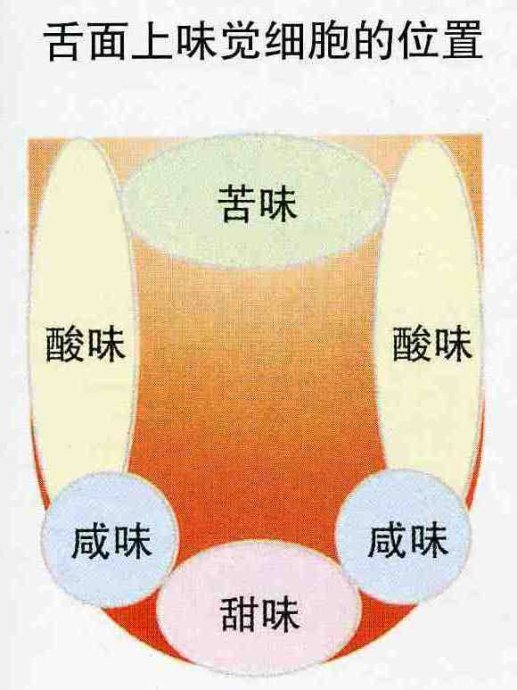
When cupping or tasting coffee, the acidic impression often registers on the sides and back of your tongue, among the taste receptors for sourness. While coffee doesn’t have saltiness, fully engaging all basic taste zones—including sweet, bitter, and umami—helps you better discern its full range of flavors. That’s part of developing your palate for coffee’s diverse taste characteristics.
Why Does Coffee Taste Acidic?
The perceived acidity in coffee depends largely on two factors: the coffee’s origin and how it’s roasted. Certain coffee-growing regions naturally produce beans with higher acidity due to altitude, soil, and climate. For example:
- Coffees from Yemen or East Africa (like Ethiopia or Kenya) often exhibit fruity, wine-like acidity—bright and complex, with notes reminiscent of berries or citrus.
- Beans from Central America’s highlands or the Caribbean tend to have a more straightforward, vibrant or snappy acidity.
On the other hand, roast level has a major impact. The darker the roast, the more the acidity tends to diminish, as prolonged heat breaks down the organic acids that create those bright notes. However, some naturally high-acid beans, when roasted dark, may develop sharp or astringent qualities instead of smooth complexity. For instance, a Papua New Guinea coffee roasted to a City-to-Full City level (medium) can retain its high acidity while showcasing a balanced, nuanced flavor profile with rich tones—something our roasters and customers have praised.
How Roast Level Changes Acidity
Here’s how roast level generally affects coffee’s acidity:
- Light to medium roasts: Accentuate acidity. These roasts preserve the bean’s inherent acids, leading to bright, fruity, and sometimes tart profiles. This is why many beginners tasting a light-roasted pour-over for the first time might think it tastes like fruit tea.
- Medium to dark roasts: Reduce perceived acidity. The longer roasting process mellows or eliminates many of the acids, resulting in deeper, chocolatey, nutty, or caramelized flavors.
- Very dark roasts: Can introduce bitterness or harshness. Acidity fades further, sometimes leaving behind an overly smoky or burnt impression.
So if you’ve tried a light-roasted Ethiopian Yirgacheffe and found it too ‘tangy,’ it’s not the coffee being spoiled—it’s just very high in natural acidity, expressed fully because of the light roast.
Frequently Asked Questions
What does 'acidity' mean when people talk about coffee?
In specialty coffee, 'acidity' refers to a positive, vibrant taste attribute—like brightness or liveliness on the tongue. It’s not the same as sourness or stomach acid. Acidity can taste fruity, wine-like, or juicy, and is often found in high-quality, freshly roasted beans, especially those from East Africa or Central America.
Why does my coffee taste sour?
Your coffee might taste sour because it’s either under-extracted (not brewed long enough or with water too cool) or because it’s a very lightly roasted bean with naturally high acidity. If you dislike that sharp tang, try a medium or dark roast, or adjust your brewing to extract more balance.
Does roasting reduce coffee acidity?
Yes. Darker roasts reduce acidity because the extended heat breaks down many of the organic acids responsible for bright, tangy flavors. Light roasts preserve more acids, making them taste sharper or more vibrant, while dark roasts lean toward smoother, richer, and less acidic profiles.
Are some coffee regions known for acidic beans?
Absolutely. Coffee from East Africa (like Ethiopia or Kenya), Yemen, and some parts of Central America often have naturally high acidity, showing fruity, floral, or wine-like notes. These are prized in specialty coffee for their complexity.
Is coffee without acidity bad?
Not necessarily bad, but often less dynamic. Acidity adds brightness and life to coffee. Without it, coffee can taste dull, flat, or overly heavy. That said, some people prefer low-acidity coffees, especially when drinking milk-based drinks or darker roasts.
What’s the difference between acidity and sourness in coffee?
Acidity is a desirable, complex, and refreshing taste (like in citrus or wine), contributing to coffee’s quality. Sourness is an unpleasant, sharp, or tangy sensation often caused by under-extraction or low-quality beans. They can feel similar but are not the same.
Recommended FrontStreet Beans for Low-Acidity Coffee
If you prefer coffee with smooth, low acidity, try FrontStreet Coffee’s PWN Golden Mandheling (deep roast, herbal and chocolatey with low acid), Brazil Queen Manor (balanced and nutty, great for all brew methods), or 2013 Yunnan Sun-Dried Typica (medium acidity with caramel and citrus, from a classic Chinese origin). All offer rich, approachable profiles without sharp tang. Freshly roasted within 5 days · Orders placed before 17:00 ship the same day · Next-day delivery across most of Guangdong Province.
FrontStreet Coffee is a long-established specialty coffee roaster in Guangzhou China, selling freshly roasted beans from its own farm in Yunnan as well as dozens of carefully selected single-origin beans from around the world for both pour-over and espresso. The products deliver consistently excellent quality and great value, with shipping within 24 hours. Guangzhou's FrontStreet Coffee shop is recommended by many coffee lovers, and the beans are now available online at the Tmall 。
Important Notice :
前街咖啡 FrontStreet Coffee has moved to new addredd:
FrontStreet Coffee Address: 315,Donghua East Road,GuangZhou
Tel:020 38364473