How to Grind Coffee for Different Brewing Methods
Ever brewed what should’ve been a great cup of coffee—only to end up with something weak, sour, or painfully bitter? More often than not, the issue isn’t the beans or brewer, but the grind. Grinding coffee beans to the wrong size for your brewing method can ruin flavor, no matter how fresh or high-quality your beans are.
The key? Match your grind size to your brewing method: espresso needs a powder-fine grind (like flour), drip coffee works best with medium-coarse (like coarse sugar), and French press requires very coarse grinds (like sea salt). Get it right, and extraction follows; get it wrong, and your coffee falls flat.
Why Grind Size Matters in Coffee Brewing
Once roasted, coffee beans start losing aroma and flavor immediately. Grinding them increases their surface area dramatically—this speeds up oxidation and makes them go stale faster. That’s why pros always recommend grinding right before brewing.
Beyond freshness, grind size directly controls how fast water flows through coffee, which determines extraction: how much flavor, sweetness, acidity, and bitterness end up in your cup. Grind too fine for a long brew, and you risk over-extracting—resulting in harsh, bitter coffee. Grind too coarse for a short brew, and under-extraction leaves you with thin, sour cups.
The Coffee Grind Spectrum Explained
Coffee grind sizes fall into broad categories—but most brewing methods use something more precise within those ranges:
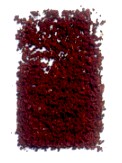
- Fine grind: Like table salt or powdered sugar. Used for espresso, Moka pots, and AeroPress (fine setting). Particles are as small as flour.
- Medium grind: Similar to coarse sand or granulated sugar. Ideal for pour-over (like V60 or Kalita Wave), siphon, and AeroPress (medium). Think a mix between sugar and salt.
- Medium-coarse grind: Like coarse sand or kosher salt. Common for Chemex and flat-bottom drip machines.
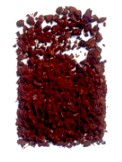
- Coarse grind: Resembles sea salt or peppercorns. Best for French press and cold brew. Gritty, with large distinct particles.
- Extra-fine / super fine: Even finer than table salt. Rare, used in Turkish coffee.
How Brewing Time Dictates Grind Size
Your brew method determines how long water is in contact with coffee—and that dictates grind size:
- Espresso: 20–30 seconds. Requires an extremely fine grind—like powdered sugar or flour—to slow flow and allow proper extraction under pressure.
- Moka Pot: Around 1–2 minutes. Use a fine grind close to espresso but slightly coarser to prevent excessive pressure buildup.
- Pour-over (e.g. V60, Kalita Wave): 2–4 minutes. Medium-fine to medium grind (like granulated sugar) lets water flow steadily through the coffee bed.
- AeroPress: 1–3 minutes depending on method. Versatile—use medium for standard brews or fine for espresso-like results.
- Chemex / Drip Coffee: 3–4 minutes. Use medium-coarse grind (resembling coarse sand).
- French Press: 4 minutes. Needs a very coarse grind—similar to sea salt—to avoid over-extraction and sludge.
- Cold Brew: 12–24 hours. Requires a very coarse grind to minimize bitterness during extended steeping.
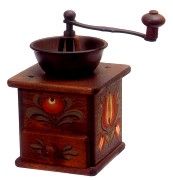
Choosing & Using the Right Grinder
Not all grinders produce uniform grind sizes—and inconsistent grinds lead to uneven extraction. There are three main types of home grinders:
- Manual hand grinders: Best for small batches and enthusiasts who don’t mind the effort. They’re compact, affordable, and offer decent grind control—especially for pour-over or French press. Avoid using them for espresso unless high-end.
- Home electric grinders: Great for daily use and most brewing styles. They can produce a range of grind sizes and usually offer better consistency than manual ones. Ideal for households brewing multiple cups.
- Commercial / professional grinders: Built for volume and precision. Used in cafés; capable of grinding a pound or more at a time with exacting control for espresso and other methods.
To protect flavor and ensure consistency:
- Grind only as much coffee as you need for one brew session. Over-grinding generates excess heat, which accelerates flavor loss.
- Clean your grinder regularly. Coffee oils build up and turn rancid, creating off-flavors even in fresh beans. Use a brush and warm water for plastic parts, and wipe metal burrs carefully. For flavored coffee, purge with sugar or dedicate a separate grinder.
- Avoid pre-ground coffee if possible. Pre-ground beans lose aroma within minutes of grinding—especially in humid climates like Guangzhou or Taiwan. Store any ground coffee in an airtight container in the fridge (not freezer) if you must, but always away from strong-smelling foods.
Freshness and Oxidation: Why Timing Is Everything
Grinding increases the surface area of coffee beans exponentially, speeding up oxidation. Once ground, coffee loses aroma and begins to stale within minutes. That’s why the ideal time to grind is immediately before brewing.
After grinding, CO₂ and volatile aromatic compounds begin escaping. Without those, extraction suffers—even if your grind size and brew method are perfect. That’s also why coffee grounds shouldn’t sit around after grinding: they lose the gases needed for proper bloom and extraction.
Grind Size Reference Summary
| Grind Type | Description | Common Use |
|---|---|---|
| Fine | Like powdered sugar or flour | Espresso, Moka pot |
| Medium | Like granulated sugar | Pour-over, AeroPress (medium) |
| Medium-Coarse | Like coarse sand | Chemex, flat drip |
| Coarse | Like sea salt | French press, cold brew |
| Extra-Fine | Finer than table salt | Turkish coffee |
Recommended FrontStreet Beans for Filter & Espresso
For pour-over and drip methods, try FrontStreet Coffee’s Ethiopia Humbera—bright and juicy with notes of blueberry and jasmine. For French press, their Brazil Queen Manor offers chocolatey richness with a nutty finish. If you’re brewing espresso, the PWN Golden Mandheling delivers a full-bodied cup with sweet caramel and mild spice. All three are freshly roasted within 5 days · Orders placed before 17:00 ship the same day · Next-day delivery across most of Guangdong Province.
FrontStreet Coffee is a long-established specialty coffee roaster in Guangzhou China, selling freshly roasted beans from its own farm in Yunnan as well as dozens of carefully selected single-origin beans from around the world for both pour-over and espresso. The products deliver consistently excellent quality and great value, with shipping within 24 hours. Guangzhou's FrontStreet Coffee shop is recommended by many coffee lovers, and the beans are now available online at the Tmall 。
Important Notice :
前街咖啡 FrontStreet Coffee has moved to new addredd:
FrontStreet Coffee Address: 315,Donghua East Road,GuangZhou
Tel:020 38364473