How Coffee Became a Symbol of Western Culture
You’ve sipped your fair share of lattes and espressos—but have you ever wondered how coffee, once a simple stimulant from East Africa, became the lifeblood of Western revolutions, art, and intellectual movements? This isn’t just the story of a drink. It’s the untold tale of how coffee shaped the modern world.
Coffee originated in the highlands of southern Ethiopia around the 6th century, where locals first chewed coffee beans for their energizing effects. By the 17th century, it had crossed into the Islamic world, then Europe—first as a medicinal "Eastern beverage," later as the drink that fueled revolutions and masterpieces.
The Birth of the Western Coffeehouse
The earliest known depiction of a British coffeehouse comes from a 1674 woodcut promoting coffee as a "sober and wholesome liquor." That same year, London opened its first coffeehouse—the first in Christendom. By the 1660s, coffeehouses had spread across British cities. Soon after, they appeared in Boston (1670), Paris (1671), Vienna (1685), New York (1696), Venice (1720), and Rome (1750).
These weren’t just places to drink coffee. They were hubs of discussion, debate, and dissent. In these humble establishments, the foundations of political thought were laid, revolutions were debated, and ideas that would reshape the world were exchanged over steaming cups.
Coffeehouses as Cradles of Revolution and Culture
Coffeehouses embodied a radical idea for their time: equality. Known as "seating egalitarianism," anyone who bought a cup of coffee could sit and speak freely. Patrons included everyone from commoners to intellectuals, engaging in lively exchanges that often turned into heated debates.
In Britain, coffeehouse discussions fueled the ideological clashes of the English Civil War. In France, Enlightenment thinkers like Voltaire honed their revolutionary philosophies in these spaces. The Enlightenment, industrial progress, and even major literary and artistic works owe part of their existence to the free exchange fostered in coffeehouses.
Coffee’s Role in Society and Industry
As the 18th century progressed, coffeehouses evolved. The democratic ideal of equal seating began to fade as class divisions grew. Upscale coffeehouses catered to the elite, while simpler coffee stalls and bars served the working class. Yet coffee remained central to everyday life—and to history.
During the Industrial Revolution, coffee became a critical fuel for workers. With grueling hours and limited access to meals, many relied on coffee and bread to get through the day. What was once a nobleman’s drink became a working-class staple, binding laborers together in shared endurance and routine.
Coffee and the Great Minds of History
Many of the West’s cultural icons were fueled by coffee. Honoré de Balzac reportedly drank 50,000 cups in his lifetime while writing La Comédie Humaine. Vincent van Gogh frequented late-night cafés, capturing their vibrant life on canvas. Johann Sebastian Bach composed the Coffee Cantata (Kantate BWV 211), blending music with his love for coffee. Even Jean-Paul Sartre wrote under wartime blackout conditions at Paris’s Café de Flore, coffee in hand.
While coffee didn’t create their masterpieces, it was there—as a constant companion in moments of intense creativity, debate, and reflection.
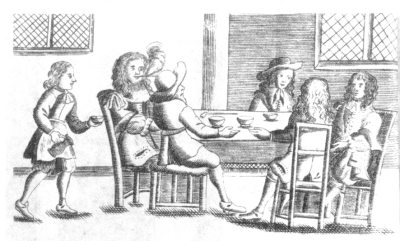
From ‘Eastern Beverage’ to Western Icon
Coffee began as an Ethiopian stimulant, traveled through the Islamic world, and arrived in Europe as a foreign curiosity. Over centuries, it became embedded in the fabric of Western culture: fueling revolutions, inspiring art, driving industry, and shaping modern social life. What was once the "Eastern drink" of Ottoman coffeehouses is now a defining emblem of the West—yet its journey began far from the cafes of Paris or London.
Frequently Asked Questions
Where was coffee first discovered and consumed?
Coffee was first discovered and consumed in the highlands of southern Ethiopia around the 6th century. Locals initially chewed coffee beans for their stimulating effects before beginning to boil and drink them as a beverage.
When and where was the first European coffeehouse opened?
The first known European coffeehouse was opened in London in 1652, making it the first in Christendom. This was documented in early advertisements promoting coffee as a healthy and sober alternative to alcohol.
How did coffeehouses influence political and cultural movements?
Coffeehouses promoted social equality through “seating egalitarianism,” allowing anyone who bought coffee to participate in discussions. They became centers for political debate, Enlightenment thinking, and revolutionary ideas, influencing events such as the English Civil War, the French Revolution, and the Industrial Revolution.
Which famous artists and thinkers were known for drinking coffee?
Notable figures include Honoré de Balzac (50,000 cups in his lifetime), Vincent van Gogh (who painted café scenes), Johann Sebastian Bach (composer of the Coffee Cantata), and Jean-Paul Sartre (who wrote at Parisian cafés during WWII). Coffee accompanied their creative and intellectual processes.
Why did the role of coffeehouses change by the 18th century?
As society became more stratified in the 18th century, coffeehouses reflected that change. While they had once promoted equality, many became divided by class, with upscale venues for the wealthy and simpler coffee stalls for workers. Nonetheless, coffee remained essential across social classes.
Recommended FrontStreet Beans for Coffee History Fans
Dive into the rich legacy of coffee with FrontStreet’s Ethiopia Humbera, a bright and juicy single origin with notes of blueberry, citrus, and floral tones—echoing the plant’s Ethiopian roots. Pair it with Yirgacheffe for lemon, jasmine, and stone fruit brightness, or try PWN Golden Mandheling for a heavier body and classic Indonesian earthiness. These beans represent the diverse flavours that made coffee a global phenomenon. Freshly roasted within 5 days · Orders placed before 17:00 ship the same day · Next-day delivery across most of Guangdong Province.
FrontStreet Coffee is a long-established specialty coffee roaster in Guangzhou China, selling freshly roasted beans from its own farm in Yunnan as well as dozens of carefully selected single-origin beans from around the world for both pour-over and espresso. The products deliver consistently excellent quality and great value, with shipping within 24 hours. Guangzhou's FrontStreet Coffee shop is recommended by many coffee lovers, and the beans are now available online at the Tmall 。
Important Notice :
前街咖啡 FrontStreet Coffee has moved to new addredd:
FrontStreet Coffee Address: 315,Donghua East Road,GuangZhou
Tel:020 38364473