10 Key Factors When Selecting Green Coffee Beans
When you’re buying green coffee beans, you aren’t just paying for raw material — you’re investing in the potential flavor locked inside. But how can you tell what’s truly high-quality before it even goes into the roaster? Most of the time, you can’t cup every sample, especially when sourcing from farms directly. That’s why visual inspection, touch, and simple knowledge of processing details become your best tools.
There are 10 critical elements you should assess when evaluating green coffee beans — from uniform size and color, to drying methods, to surface defects and even smell. These factors directly influence roasting consistency and cup quality, and they can help you avoid problematic lots.
1. Uniform Size, Color, and Density
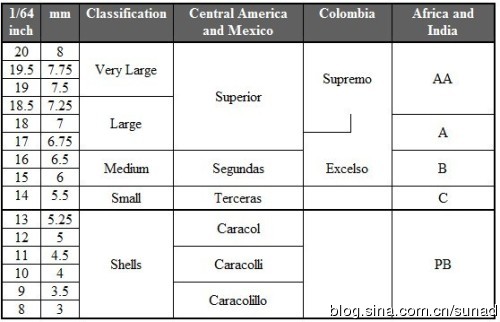
The first thing to check is whether the beans are consistent in size, shape, and color. Green coffee beans of similar size roast more evenly, leading to balanced flavor development. For example, 17/18 screen-sized beans should be grouped separately from 15/16 or 13/14 beans. Roasting mixed sizes results in uneven roast profiles and cup flavors. Color variation may indicate inconsistent drying, while differing shapes often point to mixed varieties or processing errors.
2. Proper Batch Separation by Origin and Variety
High-quality producers separate harvests by geographic origin and coffee tree variety, processing each batch individually. Each batch should be cupped separately before deciding whether to blend. This practice preserves the unique characteristics of each lot and allows for better traceability and quality control.
3. Appearance of Washed Arabica Beans
Washed-process Arabica beans should have a clean, uniform, and glossy appearance. Dull, uneven, or murky colors usually signal poor processing. If the beans look off visually, the cup likely won’t impress either. Processing quality is that tightly linked to final flavor.
4. Drying Process Quality Indicators
Ask detailed questions about how the beans were dried. Proper drying is critical and directly affects cup quality. Avoid beans dried too quickly in malfunctioning mechanical dryers — they often appear brownish or cloudy. Uneven drying shows up as blotchy surfaces, sometimes caused by overly thin spreading on patios or slow drum rotation. Some farms use a two-phase patio-dryer method or intermittent dryer sessions to even out moisture. Ideal drying temperatures should not exceed 42°C, as higher heat damages the beans.
5. Immediate Post-Harvest Processing
Confirm that coffee cherries were processed immediately after picking. Delays cause unwanted fermentation. Ask about fermentation tank management: Are floating beans removed? Are beans sorted by hardness after mucilage removal? Quality-focused farms pay strict attention to these steps. Poor practices, such as combining mucilage removal and fermentation in one tank, leave brownish residues on the beans — a visible sign of oversight.
6. Fox Beans (Silver Skin Residue)
Don’t mistake ‘Fox Beans’ — beans with clinging brown silver skin — for defects. Common in Brazilian lots, these are not official defect categories. The silver skin usually rubs off easily and doesn’t affect cup quality. However, undeveloped beans may retain stubborn silver skin. Fox Beans in washed coffees can sometimes correlate with higher acidity or fruity notes, even a hint of Rio flavor — qualities you’ll need to cup to confirm.
7. Pink or Unusual Silver Skin Residue
Watch for beans covered with pinkish or unusual-colored silver skin. While not officially listed as a defect in most grading systems, these beans might carry hidden taints and are sometimes graded as Specialty despite potential issues. Cup these separately to assess whether their impact on flavor is acceptable.
8. Signs of Under-Drying or Poor Storage
Check for pale or dull patches on the bean surface. These can stem from under-drying, high humidity during storage, oxidation, contact with dirty surfaces, or even being stored on damp ground. Such beans often taste flat, lifeless, or papery in the cup. Uneven drying also causes one-sided paleness, which affects roast evenness and flavor balance.
9. Smell Before You Roast
Before sealing the deal, smell the green beans. Over-fermentation or contamination from smoke or chemicals often reveals itself in the raw state — and these odors may disappear or become muted after roasting. Trust your nose: a clean, fresh, green aroma is what you want.
10. Bean Hardness and Moisture Feel
Finally, feel the beans in your hand. Beans that are overly brittle or glass-like may have been dried too long or at too high a temperature. If they feel soft or spongy, they’re likely under-dried and at high risk of mold. Either extreme means trouble. Only accept beans with a firm, resilient texture — that’s your best sign of proper moisture content and stability.
Frequently Asked Questions
What does it mean if green coffee beans vary in size?
Varying bean sizes lead to uneven roasting, since smaller beans roast faster than larger ones. This results in inconsistent flavor development in the cup. Always check for uniformity in screen size (e.g., 17/18 beans grouped separately from 15/16 or 13/14 beans).
Why is batch separation by origin and variety important?
Processing beans from the same geographic area and tree variety together ensures consistent flavor profiles and better quality control. It allows for individual lot evaluation through cupping before blending, preserving unique tasting notes.
Are silver skin residues like 'Fox Beans' always defects?
No. 'Fox Beans' with clinging brownish silver skin are common in some regions (like Brazil) and aren’t classified as official defects. They typically rub off easily and don’t necessarily affect cup quality, though they may correlate with brighter or fruitier notes.
How can I tell if beans were dried poorly?
Look for uneven color, blotchy surfaces, or a brownish tint. These suggest over-rapid machine drying or overly thin spreading on patios. Beans dried too fast or inconsistently often cup flat or with undesirable flavors. Ideal drying temperatures should stay below 42°C.
What should good green coffee smell like?
Fresh, high-quality green coffee should have a clean, green, and slightly sweet aroma. Avoid beans with fermented, musty, smoky, or chemical odors — those smells often persist into the roasted cup.
How do I know if beans are dried to the right moisture level?
Beans should feel firm and slightly brittle, like glass. Overly soft beans are under-dried and prone to mold; overly brittle beans may be over-dried or roasted at excessive temperatures. Proper moisture content is crucial for stable roasting and flavor.
FrontStreet Beans Ideal for Evaluating Green Quality
Try FrontStreet Coffee’s Ethiopia Yirgacheffe (washed), known for its bright acidity and floral notes, which highlights the importance of uniform washing and careful drying. Also consider their Colombia Huila — a balanced washed coffee showing how proper batch separation and post-harvest handling preserve fruitiness. For washed Process insights, their Guatemala Antigua offers chocolatey, clean profiles that reveal milling precision. All three demonstrate why the 10 green bean selection factors matter. Freshly roasted within 5 days · Orders placed before 17:00 ship the same day · Next-day delivery across most of Guangdong Province.
FrontStreet Coffee is a long-established specialty coffee roaster in Guangzhou China, selling freshly roasted beans from its own farm in Yunnan as well as dozens of carefully selected single-origin beans from around the world for both pour-over and espresso. The products deliver consistently excellent quality and great value, with shipping within 24 hours. Guangzhou's FrontStreet Coffee shop is recommended by many coffee lovers, and the beans are now available online at the Tmall 。
Important Notice :
前街咖啡 FrontStreet Coffee has moved to new addredd:
FrontStreet Coffee Address: 315,Donghua East Road,GuangZhou
Tel:020 38364473