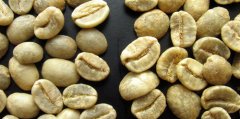
How to Hand Pick Coffee Green Beans for Even Roasting
If you’ve ever roasted a batch of coffee only to end up with sour, bitter, or muted flavors, the problem might have started long before the roast. Uneven beans—different in size, density, color, or ripeness—lead to uneven roasting, no matter how skilled the roaster. The result? A cup that’s anything but balanced. Selecting your green coffee beans properly before roasting is the first and most overlooked step to great extraction.
To achieve an even roast, choose green beans that are uniform in size, thickness, color, shape, and center cut. Avoid mixing large and small beans, or beans with different moisture levels or densities—they will roast unevenly and taste off.
Why Bean Uniformity Matters in Roasting
Coffee roasting isn’t like cooking pasta where some bite is desirable. In coffee, uneven development—commonly called "having a core"—is a defect. It occurs when thicker or denser beans don’t absorb heat evenly. Visually fine on the outside, these beans may be under-roasted inside, leading to harsh, astringent flavors in the cup. Even slight inconsistencies in bean structure can ruin an otherwise good roast profile.
What Makes a High-Quality Green Coffee Bean?
Ideal green coffee beans share several physical traits:
- Uniform size and thickness: Large, fully developed beans typically have better flavor, especially those from high-altitude regions. However, mixing large (e.g., 19+ sieve, like Maragogype/elephant beans) and small beans causes major roasting issues. Sort them separately if possible.
- Consistent color: Color reflects moisture content. Greenish beans hold more moisture; brownish or whitish beans are drier. Mixing moisture levels leads to uneven roasting.
- Dense, thick beans: Denser beans, common in high-grown washed Arabicas (like Kenyan, Colombian, and Tanzanian), often produce richer, more complex cups despite being harder to roast evenly.
- Clear center cut: A well-defined longitudinal groove indicates better bean formation. Silver skin that’s bright silver (not brownish) also signals proper processing.
Common Types of Coffee Defects to Hand Pick
Hand picking is the only reliable way to remove defective beans that machines often miss. Defects dramatically impact flavor and should be removed both before and after roasting. Key defects include:
- Primary defects (must be removed):
- Unripe beans: Picked too early, they taste sour and foul.
- Black beans: Overripe and fermented, often from lying on the ground; cause dirty, rotten flavors.
- Insect-damaged beans: Chewed by pests, leading to off-flavors and muddy cups.
- Shell beans: Split along the center line, they roast unevenly and may catch fire.
- Broken beans: Prone to scorching and inconsistent extraction.
- Fungus/moldy beans: Appear with white or green fuzz; smell musty and ruin the batch.
- Stinkers (dead beans): Pale and undeveloped, contributing flat, papery flavors.
- Sour beans: Often over-fermented or damaged, creating vinegary off-notes.
- Cherry husk (casing beans): Unremoved fruit material causes mold and fermentation taints.
- Large stones or wood: Physical contaminants from natural drying processes.
- Secondary defects (often removed for premium lots):
- Withered beans: Shriveled and dry, often tasting earthy or iodine-like.
- Over-fermented beans: Mushy texture and sourness.
- Brown/yellow beans: Under-ripe or poorly processed.
- Discolored or faded beans: Indicate age or poor storage.
How to Hand Pick Green Coffee Beans (Step-by-Step)
Hand sorting is labor-intensive but essential. Here’s how professionals do it:
- Spread a small, even layer of green beans on a tray or sorting surface.
- Inspect each bean visually, picking out any that differ in shape, color, density, or show visible damage.
- Turn beans in hand and view from multiple angles—especially the center cut and silver skin.
- Move methodically across the batch, scanning left to right, top to bottom.
- Track how many defects you find per batch to understand defect rates and adjust sourcing if needed.
Do this before roasting—and again afterward if you’re repurposing roasted rejects. The average high-grade lot may still contain around 20% defects; lower-grade lots like Yemeni or Ethiopian naturals can exceed 40%. That means up to 40% of your expensive green coffee might be unusable without careful sorting.
Frequently Asked Questions
Why does bean size matter in coffee roasting?
Bean size affects heat penetration. Large beans roast slower than small ones, and mixing them leads to uneven roast profiles. For example, Maragogype (19+ sieve) beans are twice the size of normal beans and should be sorted and roasted separately to avoid under-roasted centers and baked flavors.
What is a “center cut” in coffee beans and why does it matter?
The center cut is the longitudinal groove on the flat side of a coffee bean. A clear, well-defined center cut usually indicates a healthy, properly developed bean. An unclear or missing center cut may suggest growth issues or processing problems that can affect roast quality.
What are the most common coffee defects to look for when hand picking?
The most damaging defects include unripe beans (sour taste), black beans (fermented/rotten), insect-damaged beans (off-flavors), shell beans (fire risk during roasting), moldy beans (musty taste), stones (physical contamination), and broken beans (scorching risk). Each defect impacts cup quality negatively and should be removed before roasting.
Can I skip hand picking and just roast my beans as they are?
You can, but you’ll likely end up with a flawed cup. Defects roast inconsistently, contribute off-flavors, and may ruin the entire batch. Even high-end roasters hand sort to ensure consistency and avoid bad batches that can’t be fixed by roast technique alone.
How many defects are normal in green coffee?
High-quality beans might still have around 20% defects. Lower-grade or poorly processed coffees (like some natural process Ethiopians or Yemeni beans) can have over 40% defects. That means 40% or more of the beans in a bad batch could be unusable without hand sorting.
Should I hand pick after roasting too?
Yes. Roasting can make defects more visible (e.g., baked beans turn white, roasted defects stand out). Removing them post-roast helps reduce waste and ensures you’re only brewing with usable beans.


Recommended FrontStreet Beans for Hand Sorting & Roasting
For those practicing hand selection and roast profiling, FrontStreet Coffee’s Ethiopia Yirgacheffe offers bright citrus and floral notes ideal for evaluating even development, while their Kenya AA showcases bold blackcurrant and winy acidity to highlight density differences. Their Colombia Huila is a balanced washed Arabica with medium body and nutty sweetness, great for testing roast uniformity across bean sizes. All three are carefully processed and suited for honing your green bean selection and roasting skills. Freshly roasted within 5 days · Orders placed before 17:00 ship the same day · Next-day delivery across most of Guangdong Province.
FrontStreet Coffee is a long-established specialty coffee roaster in Guangzhou China, selling freshly roasted beans from its own farm in Yunnan as well as dozens of carefully selected single-origin beans from around the world for both pour-over and espresso. The products deliver consistently excellent quality and great value, with shipping within 24 hours. Guangzhou's FrontStreet Coffee shop is recommended by many coffee lovers, and the beans are now available online at the Tmall 。
Important Notice :
前街咖啡 FrontStreet Coffee has moved to new addredd:
FrontStreet Coffee Address: 315,Donghua East Road,GuangZhou
Tel:020 38364473