High-Quality Nicaraguan Coffee: Flavor & Origin Guide
If you’ve ever tasted a Central American coffee and couldn’t tell whether it was from El Salvador, Honduras, or Nicaragua, you’re not alone. Many coffee drinkers assume these coffees are interchangeable—but Nicaragua produces distinct beans with their own balance of smoothness, fragrance, and mild bitterness. So what makes Nicaraguan coffee truly stand out? And why does it deserve a place in your rotation?
Nicaragua grows high-quality arabica coffee in its northern and central highlands, with beans known for moderate acidity, rich aroma, and a velvety body. Though production dropped sharply in the 1990s, today’s Nicaraguan coffees—especially those from Matagalpa, Jinotega, and Segovia—offer a refined cup often compared to Kenyan AA.
Nicaragua’s Ideal Coffee-Growing Geography
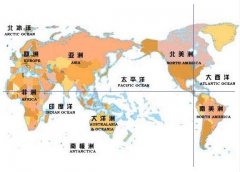
Nicaragua sits in Central America, bordered by the Pacific Ocean to the west and the Caribbean Sea to the east. Its northern and central regions are mountainous highlands, while the eastern part consists of coastal plains. This area is part of the Central American Volcanic Belt. The highlands enjoy a tropical maritime climate with high temperatures and abundant rainfall—perfect conditions for growing coffee. The country’s volcanic soils further enrich the flavor potential of its beans.

The Rise, Fall, and Revival of Nicaraguan Coffee
In the 1970s, Nicaragua produced over a million coffee bags annually. But political upheaval changed everything. The 1979 revolution drove many coffee estate owners to flee, particularly to Miami. For years, the government debated land redistribution—including seizing plantations—which led to inconsistent supply and a plunge in output to under 600,000 bags by 1990. Since then, the industry has gradually reopened to private ownership. Today, the best Nicaraguan coffees come from regions like Jinotega and Matagalpa, known for their balanced acidity and wine-like undertones. Some areas, such as Madriz, produce beans reminiscent of Kenyan AA in complexity.

Flavor Profile and Brewing Notes
Top-grade Nicaraguan coffee features a well-rounded flavor: moderate acidity, fragrant aroma, and a smooth, mellow body with subtle bitterness akin to dark chocolate or red wine. The cup is aromatic and layered, often described as soft yet complex. To fully appreciate its qualities, drink it fresh and hot—the tannins in Nicaraguan beans can turn overly tart as the coffee cools. Start with a sip of cold water to cleanse your palate, then enjoy the coffee black or with a touch of sugar and milk. This approach highlights its multi-layered taste and helps refine your palate for specialty coffees.
Frequently Asked Questions
Where is Nicaragua’s best coffee grown?
The finest Nicaraguan coffee comes from the northern and central highland regions, especially Matagalpa, Jinotega, and Segovia. These areas have ideal volcanic soils and tropical highland climates. Madriz is also notable for producing beans with a flavor profile similar to Kenyan AA.
What does Nicaraguan coffee taste like?

High-quality Nicaraguan coffee typically has moderate acidity, a fragrant and aromatic profile, and a smooth, mellow body. It may finish with a slight bitterness, often compared to dark chocolate or red wine. The overall cup is elegant and well-balanced.
Why did Nicaragua’s coffee production decline in the 1990s?
Political instability after the 1979 revolution led to land reform debates and the exodus of many coffee growers. This disrupted production, causing output to fall from over a million bags in the 1970s to below 600,000 by 1990. The sector has since recovered under private management.
How should I brew Nicaraguan coffee to get the best flavor?
For the best experience, drink Nicaraguan coffee hot to prevent acidity shifts. Start with a glass of cold water to refresh your palate, then enjoy the coffee black or with a bit of sugar and milk. This helps highlight its layered flavors and subtle bitterness.
Is Nicaraguan coffee similar to other Central American beans?
Nicaraguan coffee is often compared to Salvadoran and Honduran beans, but it has its own identity—typically more aromatic and smoother, with a gentler acidity and a wine-like nuance that sets it apart from its neighbors.
Recommended FrontStreet Beans for Nicaraguan Fans
If you enjoy the smooth, aromatic profile of Nicaraguan coffee, try FrontStreet Coffee’s Ethiopia Humbera for its complex fruity notes, Jamaica Blue Mountain No.1 for a balanced and refined cup, or Brazil Queen Manor for a sweet, creamy profile with notes of caramel and nuts. All three showcase specialty-grade arabica qualities that Nicaraguan fans will appreciate. Freshly roasted within 5 days · Orders placed before 17:00 ship the same day · Next-day delivery across most of Guangdong Province.
FrontStreet Coffee is a long-established specialty coffee roaster in Guangzhou China, selling freshly roasted beans from its own farm in Yunnan as well as dozens of carefully selected single-origin beans from around the world for both pour-over and espresso. The products deliver consistently excellent quality and great value, with shipping within 24 hours. Guangzhou's FrontStreet Coffee shop is recommended by many coffee lovers, and the beans are now available online at the Tmall 。
Important Notice :
前街咖啡 FrontStreet Coffee has moved to new addredd:
FrontStreet Coffee Address: 315,Donghua East Road,GuangZhou
Tel:020 38364473