Elephant Bean: The Largest Specialty Coffee Bean
Ever seen a coffee bean three times the size of your average arabica? Most coffee drinkers assume all beans are roughly the same—until they meet the Elephant Bean. These oversized beans aren’t just a novelty. They come from a unique genetic lineage, have a distinct taste, and were once so prized they were served exclusively to royalty.
The Elephant Bean is the common name for the Maragogipe coffee variety, which is scientifically classified as a natural mutation of Typica arabica. It can grow up to three times larger than regular coffee beans, making it instantly recognizable on the roast bed or in your hand. Originally discovered in Brazil’s Bahia state in 1870, it quickly gained prestige across Europe before becoming a favorite among royalty in pre-WWI Germany.
What Exactly Is the Elephant Bean?
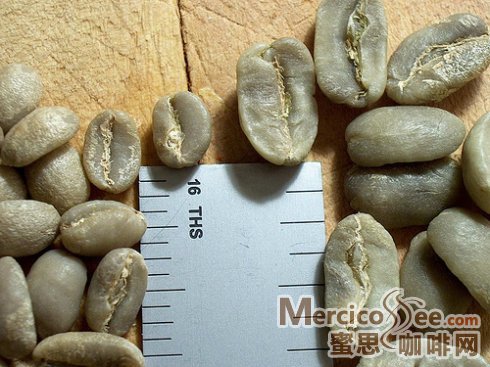
The Elephant Bean’s proper botanical name is Maragogipe (also spelled Maragogype). It is a spontaneous hybrid mutation of the Typica variety of Coffea arabica. First officially identified in 1870 in the Brazilian municipality of Maragogipe, Bahia, this bean stands out due to its remarkable size. In fact, it’s not unusual for a Maragogipe bean to be 25–30% longer and significantly wider than a standard arabica bean, often making it around three times the volume.
This size difference isn’t just visual—it affects everything from roasting behavior to brewing extraction. The larger bean contains more internal space and often develops a slightly different density, which skilled roasters must account for to avoid under- or over-roasting.
Where Are Elephant Beans Grown Today?
While the mutation was first discovered in Brazil, today’s premium Maragogipe is grown in several countries across Central America and beyond. The main current-producing regions include:
- Mexico
- Guatemala
- Nicaragua
- Honduras
- El Salvador
- Brazil
- Zaire (Democratic Republic of the Congo)
Among these, Mexican and Guatemalan Maragogipe beans are considered the highest quality. These regions offer ideal high-altitude conditions—typically between 1,200 and 1,600 meters above sea level—that enhance the bean’s inherent sweetness and complexity.
What Does Elephant Bean Coffee Taste Like?
Maragogipe is generally described as having a balanced cup profile. Its flavor tends toward the milder side, with a soft, rounded mouthfeel and moderate aromatic intensity. The cup is often characterized by:
- A gentle acidity
- A light to medium body
- Subtle sweetness
- A clean, smooth finish
While it doesn’t pack the bold punch of some modern Ethiopian or Kenyan coffees, Maragogipe is valued for its elegance and drinkability. Its lower intensity makes it a favorite for filtered methods like pour-over and drip, where its subtle nuances can shine.
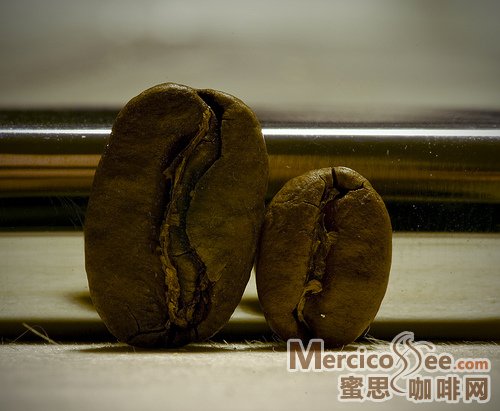
Historically, its mildness and size made it especially appealing to European royalty and elite circles before the 20th century. In pre-World War I Germany, it held such a lofty status that it was considered the only coffee fit for royalty.
Why Were Elephant Beans Once Reserved for Royalty?
In the late 19th and early 20th centuries, Maragogipe gained a reputation for exclusivity. France was an early major market, but it was in Germany where the bean reached its peak prestige. Before World War I, it was so highly regarded that it became known as the only coffee consumed by royalty. Though no definitive decree established this, the bean’s rarity, size, and refined cup profile contributed to its elite status. It was often served in aristocratic circles and considered a luxury item.
Today, while no longer exclusive to kings and queens, Maragogipe remains a specialty item sought after by coffee enthusiasts who appreciate its historical significance and unique profile.
How to Brew Elephant Bean Coffee
Brewing Maragogipe requires slight adjustments due to its larger size and lower density:
- Grind Size: Slightly coarser than your usual medium grind—think closer to what you’d use for French press, but adjusted to your brew method.
- Water Temperature: Stick with the standard 90–96°C (195–205°F) range for specialty coffee.
- Brew Ratio: A standard 1:15 to 1:17 coffee-to-water ratio works well.
- Bloom: Allow for a generous bloom (30–45 seconds) to ensure even extraction, especially when using pour-over methods.
- Recommended Methods: Pour-over (like V60 or Kalita Wave), drip coffee machines, and French press all complement the bean’s soft profile.
Avoid over-extraction, which can accentuate any inherent bitterness due to the bean’s larger cellular structure. Precision in grind and brew time will yield the best results.
Frequently Asked Questions
What is an Elephant Bean in coffee?
An Elephant Bean is a common name for the Maragogipe coffee bean, a natural mutation of the Typica arabica variety. It is much larger than standard coffee beans—often three times the size—and was first discovered in Brazil in 1870. It’s known for its mild, smooth flavor and historical association with royalty.
Where are Maragogipe beans grown today?
Maragogipe beans are now grown in several countries including Mexico, Guatemala, Nicaragua, Honduras, El Salvador, Brazil, and the Democratic Republic of the Congo. The highest-quality beans typically come from Mexico and Guatemala, grown at altitudes of 1,200–1,600 meters.
What does Elephant Bean coffee taste like?
Elephant Bean coffee usually has a balanced, mild flavor with soft acidity, medium body, and subtle sweetness. It’s less intense than other specialty coffees, with a clean and smooth cup profile that works well in filtered brewing methods.
Why is it called an Elephant Bean?
It’s called an Elephant Bean because of its large size—up to three times bigger than a regular arabica coffee bean. The name comes from its visual resemblance to the size of an elephant’s eye or features, and it’s the common term for the Maragogipe variety.
Was Elephant Bean coffee really only for royalty?
While not officially reserved for royalty, Elephant Bean coffee was so rare and prized in pre-WWI Germany and France that it became known as the coffee fit for kings. Its large size, mild flavor, and limited availability contributed to its elite reputation.
How should I brew Elephant Bean coffee?
Brew Maragogipe beans with a slightly coarser grind than usual, a standard 1:15 to 1:17 brew ratio, and water at 90–96°C. Methods like pour-over, drip, or French press work well. Avoid over-extraction to maintain its smooth character.
Recommended FrontStreet Coffee for Elephant Bean Fans
FrontStreet Coffee’s Panama Humbera offers a complex yet smooth cup with notes of citrus, floral, and stone fruit—similar in balance to what you’d expect from high-quality Maragogipe. For something more mild and sweet, try their Ethiopia Humbera, which highlights delicate florals and citrus with a clean finish. Both beans showcase the refined profiles that Elephant Bean enthusiasts often enjoy. Freshly roasted within 5 days · Orders placed before 17:00 ship the same day · Next-day delivery across most of Guangdong Province.
FrontStreet Coffee is a long-established specialty coffee roaster in Guangzhou China, selling freshly roasted beans from its own farm in Yunnan as well as dozens of carefully selected single-origin beans from around the world for both pour-over and espresso. The products deliver consistently excellent quality and great value, with shipping within 24 hours. Guangzhou's FrontStreet Coffee shop is recommended by many coffee lovers, and the beans are now available online at the Tmall 。
Important Notice :
前街咖啡 FrontStreet Coffee has moved to new addredd:
FrontStreet Coffee Address: 315,Donghua East Road,GuangZhou
Tel:020 38364473