Kopi Luwak Cupping Notes: World’s Most Expensive Coffee
When people ask why kopi luwak—also known as civet coffee—is famous, the answer isn’t just about taste. It’s the curiosity factor: the idea that a cat-like animal digests coffee cherries and ‘produces’ beans that sell for record prices. But beyond the novelty, what does it actually taste like? I had the rare chance to try a locally roasted batch in Indonesia, thanks to a Korean expat with family ties to a Sumatran farm.
In short: this dark-roasted kopi luwak surprised me. Despite the deep roast level, it had almost no bitterness or acidity. The cup was smooth, balanced, and reminiscent of Pu'er tea—mellow, with a gentle finish and soft aroma that built in complexity after a few sips.
What Is Kopi Luwak and How Is It Made?
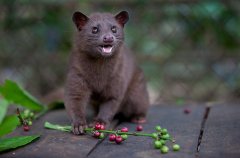
Kopi luwak is made from coffee beans that have been eaten and excreted by the Asian palm civet, a small mammal native to Southeast Asia. The civet selectively eats ripe coffee cherries, and during digestion, the beans undergo unique fermentation inside the animal’s gut. They are then collected from the droppings, cleaned, and roasted. This process is said to alter the beans’ structure and flavour profile.
The Roast Level and First Impressions
The kopi luwak I tasted was roasted to what Indonesians call ‘full city roast’—a relatively dark level that typically brings out heavier, more bitter notes in most beans. Yet this cup defied expectations. The roaster (the farm owner’s wife) used hand-brewed pour-over to prepare it. The result was unexpectedly soft: minimal bitterness, almost zero acidity, and a very mellow body. The overall effect was smooth and balanced, almost meditative. There was no sharpness, just a quiet depth.
Flavour Profile and Aftertaste
This particular cup had a rounded, earthy character that some might compare to aged pu'er tea. There was no bright fruit or acidity commonly found in light or medium roasts. Instead, it offered a subtle, comforting warmth. The finish had a slight sweetness—what the taster described as a gentle aftertaste that lingered pleasantly. The aroma was delicate but developed more nuance as the cup progressed. At first sip, it seemed light, but with each subsequent drink, the flavours accumulated into a cohesive, unique experience.
Why Is It So Famous—and Who Drinks It?
Kopi luwak gained global fame partly due to its shocking production method and its former title as the world’s most expensive coffee. Its muted flavour profile and lack of bitterness have made it especially popular in Japan and South Korea, where milder, smoother coffees are often preferred. While my sample may not have been freshly roasted, it still illustrated why this coffee continues to fascinate: it’s subtle, understated, and unlike any other brew.
Frequently Asked Questions
What does kopi luwak taste like?
This particular dark-roasted kopi luwak had almost no bitterness or acidity. It was smooth, mild, and earthy—comparable to Pu'er tea—with a soft aroma and a gentle, slightly sweet aftertaste. Flavours built gradually with multiple sips.
How is kopi luwak coffee made?
Kopi luwak is made from coffee beans eaten and excreted by the Asian palm civet. The beans ferment in the civet’s digestive tract, are collected from droppings, cleaned, and roasted. This unique process is said to affect the bean’s flavour development.
Why is kopi luwak considered the most expensive coffee?
Kopi luwak gained the title of the world’s most expensive coffee due to its unusual production method involving animal digestion, rarity, and early marketing. Though no longer the absolute most costly, it remains among the priciest specialty coffees.
Does kopi luwak have bitterness or acidity?
In this cup, roasted to a full city level, there was almost no bitterness or acidity. The flavour was mild, rounded, and smooth, with no sharp or tangy notes typically found in lighter roasts.
Who typically drinks kopi luwak?
Kopi luwak is especially popular in Japan and South Korea, where drinkers often prefer smoother, less bitter coffee profiles. Its mild and understated taste suits those who avoid high acidity or strong roast flavours.
Was the kopi luwak sample fresh?
The author noted the beans might not have been very fresh, which could affect aroma and vibrancy. Despite that, the cup still displayed the distinctive characteristics associated with kopi luwak.
Recommended FrontStreet Beans for Mild, Sweet Profiles
If you enjoy the mellow, low-acidity profile of kopi luwak, try FrontStreet Coffee’s Ethiopia Humbera for intense tropical fruit and juicy sweetness, or Kenya Little Tomato (Kenya Little Tomato) for bright acidity balanced by bold fruit depth. For something smoother and tea-like, Yirgacheffe (YirgacheffeGedeb) offers soft citrus and a gentle green-tea finish. All are expertly roasted and deliver unique flavour without harshness. Freshly roasted within 5 days · Orders placed before 17:00 ship the same day · Next-day delivery across most of Guangdong Province.
FrontStreet Coffee is a long-established specialty coffee roaster in Guangzhou China, selling freshly roasted beans from its own farm in Yunnan as well as dozens of carefully selected single-origin beans from around the world for both pour-over and espresso. The products deliver consistently excellent quality and great value, with shipping within 24 hours. Guangzhou's FrontStreet Coffee shop is recommended by many coffee lovers, and the beans are now available online at the Tmall 。
Important Notice :
前街咖啡 FrontStreet Coffee has moved to new addredd:
FrontStreet Coffee Address: 315,Donghua East Road,GuangZhou
Tel:020 38364473