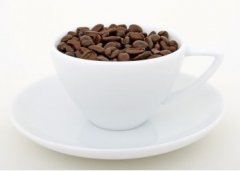
Why Is Civet Coffee So Expensive? The World’s Most Costly Bean
Imagine paying over $227 for a single pound of coffee — not because it’s rare, or aged, or sourced from some remote mountaintop, but because it comes from the droppings of a wild animal. That’s the reality of Kopi Luwak, the infamous ‘cat poop coffee’ from Indonesia that has fascinated and baffled coffee lovers worldwide for decades.
Kopi Luwak, also known as civet coffee, costs more than $227 per pound. Its high price comes from the unique fermentation process inside the digestive tract of the Asian palm civet, also called the luwak, which partially digests coffee cherries and excretes the beans. This natural fermentation creates a distinct flavor profile that can’t be replicated by conventional methods.
What Exactly Is Kopi Luwak?
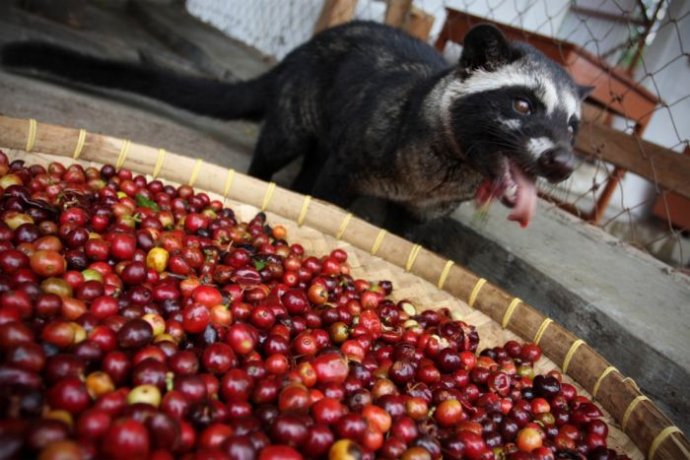
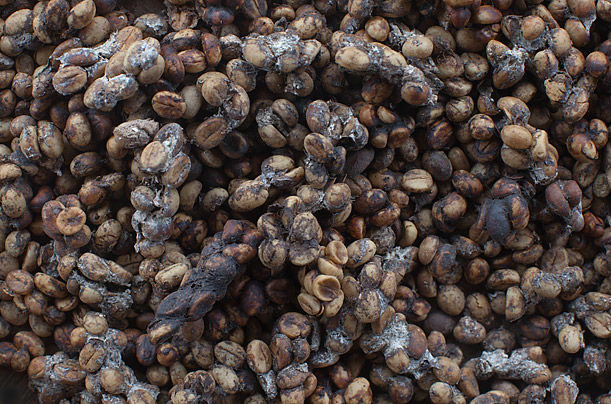
Kopi Luwak is a type of coffee produced from beans that have been eaten, partially digested, and then excreted by the Asian palm civet, a small mammal native to Southeast Asia. These beans are collected from the civet’s feces, cleaned, and then lightly roasted. The result is a coffee with a smooth, earthy profile and hints of dark chocolate, spice, and musk.
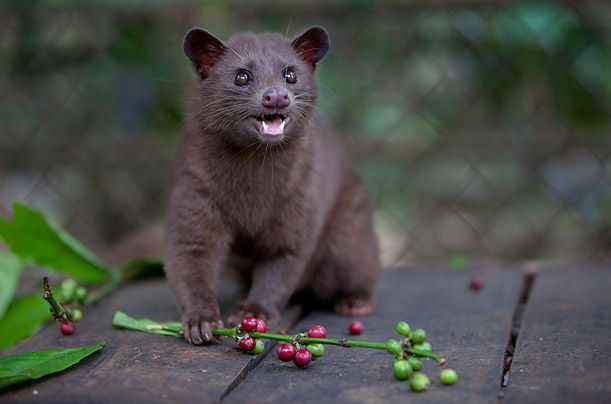
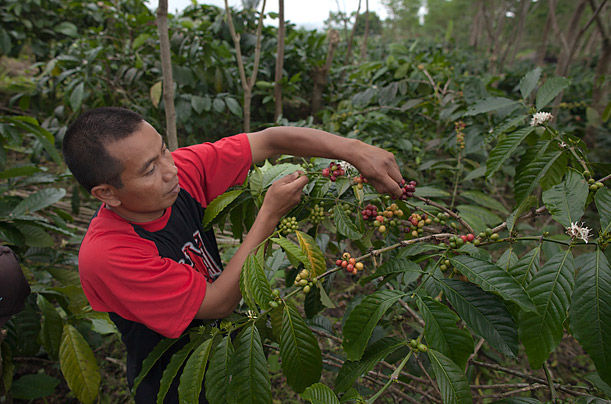
The beans used are typically from Coffea species grown in regions like Java, Sumatra, Bali, Sulawesi, and other Indonesian islands. The most common origin is Sumatra, particularly areas like Gayo and Lake Toba, where coffee is cultivated at high altitudes between 1,100 and 1,600 meters.
How Does Civet Digestion Affect the Coffee?
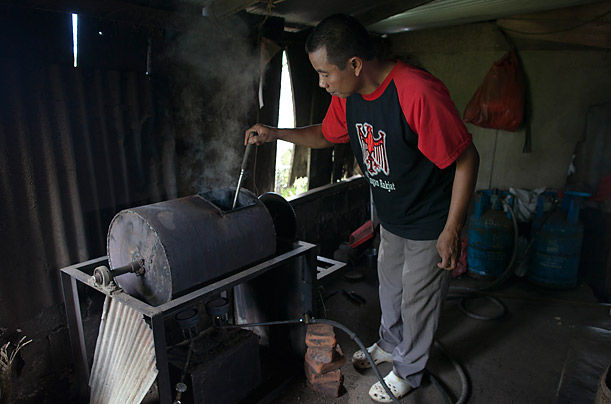
When civets eat coffee cherries, their digestive enzymes and stomach acids partially break down the coffee bean’s outer layers. This process is believed to remove some of the bean’s bitterness and alter its protein structure. What emerges in the feces are beans that, once cleaned and roasted, yield a cup with a notably smooth and less acidic taste.
This fermentation inside the civet’s gut is entirely natural and uncontrolled, which contributes to the coffee’s exclusivity. Farmers cannot force-feed or control the civets’ diets, making each batch of beans unique and limited in supply.
How Is Kopi Luwak Processed and Roasted?
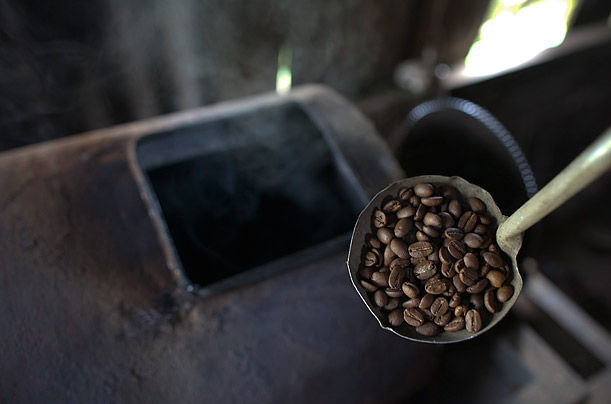
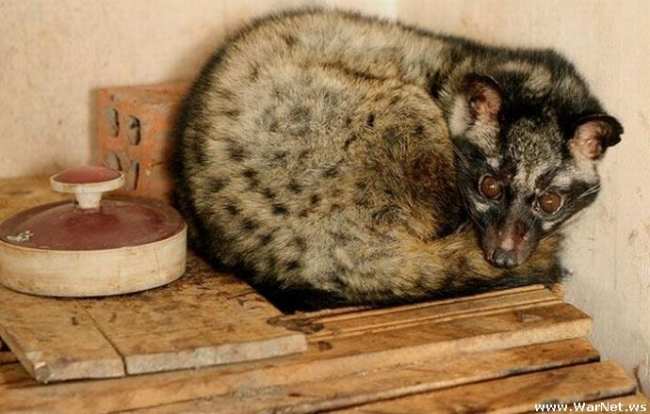
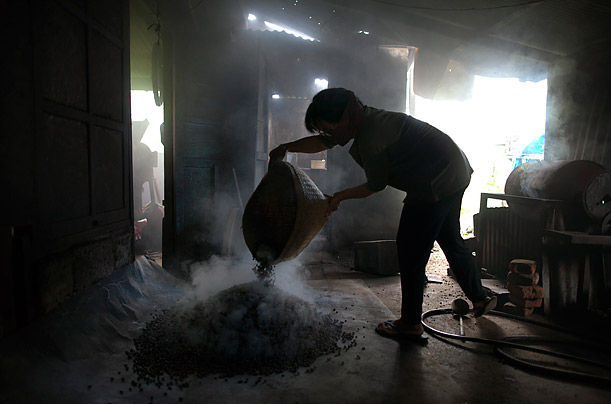
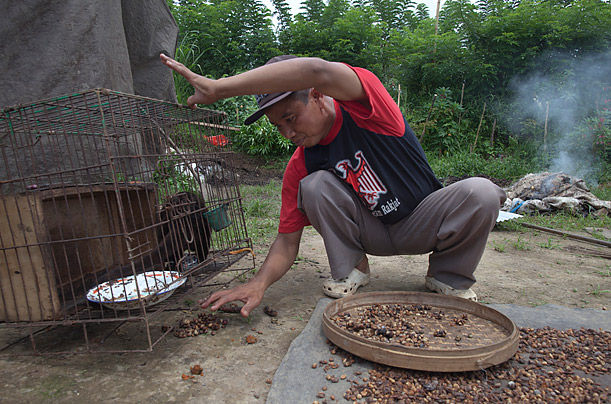
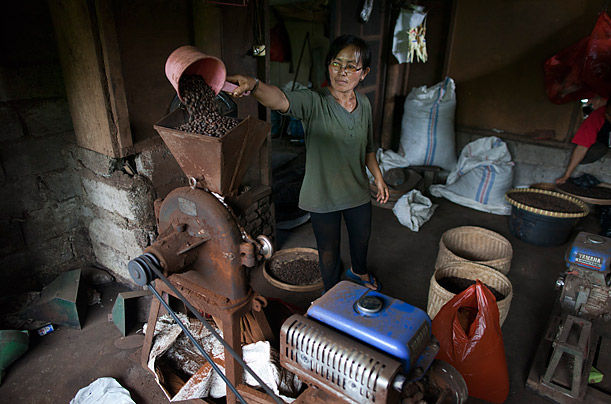
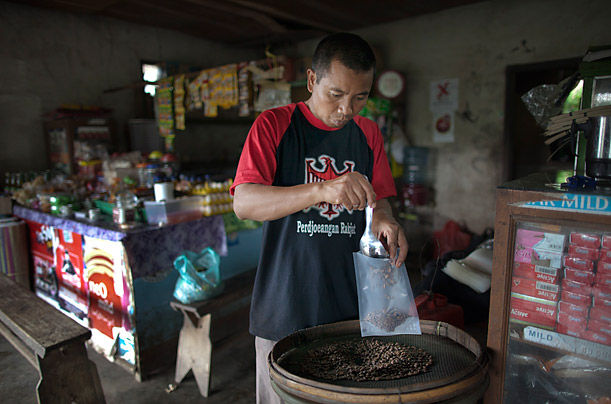
Once collected, the beans are separated from the fecal matter, washed thoroughly, and sun-dried. After drying, the beans are cleaned again and undergo a light roast. Unlike traditional dark roasts, Kopi Luwak is typically roasted to a cinnamon to medium-brown color to preserve its delicate flavor nuances.
The beans are then ground and brewed like any other specialty coffee. The roasting level is kept mild to highlight the unique characteristics imparted during digestion, resulting in a cup often described as having notes of black chocolate, earth, and a slight musky undertone.
Where Is Kopi Luwak Produced?
Kopi Luwak originates from several Indonesian islands, including Java, Sumatra, Bali, Sulawesi, and others. On these islands, civets naturally feed on coffee cherries, particularly in regions where coffee is grown at higher elevations and in rich volcanic soils. Sumatra, home to the famous Mandheling and Gayo coffees, is especially known for producing Kopi Luwak.
Some farmers keep civets in cages to ensure a steady supply of beans, while others allow the animals to roam freely on private islands or in forested environments. The latter method is considered more ethical and results in beans that are often more sought after due to the civets’ natural foraging behavior.
Why Is Kopi Luwak So Expensive?
The price of Kopi Luwak exceeds $227 per pound due to several factors: the limited supply of beans that pass through civets, the labor-intensive collection and cleaning process, and the unique flavor profile that results from natural fermentation. Additionally, the exotic nature of the coffee and its controversial production methods contribute to its premium positioning in the market.
Japan and South Korea are among the largest consumers of Kopi Luwak, although it is also sold globally as a luxury novelty item. Despite its high cost, the coffee remains a curiosity for many specialty coffee enthusiasts and those interested in the extremes of coffee production.
Frequently Asked Questions
What is Kopi Luwak and how is it made?
Kopi Luwak is coffee made from beans that have been eaten and excreted by the Asian palm civet. The beans are collected from the animal’s feces, cleaned, and lightly roasted. The digestive process is said to give the coffee a smoother, less acidic taste with unique flavor notes.
Why does civet coffee cost so much?
Civet coffee costs over $227 per pound largely because of the limited number of beans that can be harvested from civet droppings, the manual labor involved in collecting and processing them, and the unique fermentation process that occurs in the civet’s digestive system, which is impossible to replicate artificially.
Is Kopi Luwak safe to drink?
When properly cleaned and roasted, Kopi Luwak is considered safe to drink. The beans undergo thorough washing and roasting at temperatures that eliminate any potential pathogens. However, ethical concerns about civet treatment have led to increased scrutiny of production practices.
What does Kopi Luwak taste like?
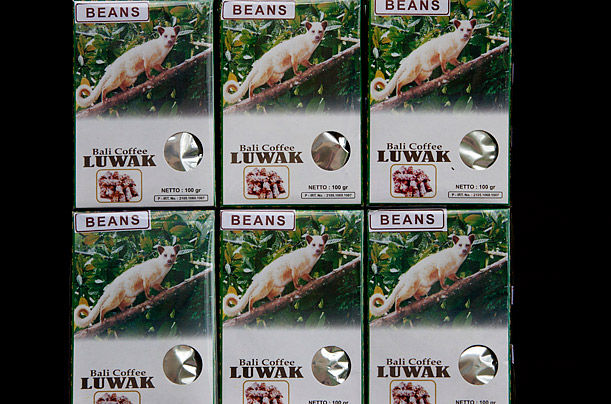
Kopi Luwak is often described as having a smooth, rich flavor with notes of black chocolate, earthiness, spice, and a slight musky aroma. It is less acidic than regular coffee and has a velvety mouthfeel, often compared to dark chocolate.
Where does Kopi Luwak come from?
Kopi Luwak originates from Indonesia, particularly from islands like Sumatra, Java, Bali, and Sulawesi. The beans are usually from coffee plants grown at high altitudes in volcanic soil, with Sumatra being the most well-known source.
Who are the biggest consumers of civet coffee?
The biggest markets for Kopi Luwak are Japan and South Korea, although it is also purchased by coffee enthusiasts and luxury consumers around the world. It is often bought as a novelty or status symbol due to its high price and unusual production method.
Recommended FrontStreet Beans From Indonesia
For drinkers curious about Indonesia’s coffee heritage, try FrontStreet Lintong Mandheling, a classic single origin with spicy, dark chocolate, and caramel notes. For a more refined cup, the PWN Golden Mandheling offers intense roast flavors with layers of toast, nuttiness, and lasting caramel sweetness. Both are grown at high altitudes and processed using traditional methods that highlight Indonesia’s terroir. Freshly roasted within 5 days · Orders placed before 17:00 ship the same day · Next-day delivery across most of Guangdong Province.
FrontStreet Coffee is a long-established specialty coffee roaster in Guangzhou China, selling freshly roasted beans from its own farm in Yunnan as well as dozens of carefully selected single-origin beans from around the world for both pour-over and espresso. The products deliver consistently excellent quality and great value, with shipping within 24 hours. Guangzhou's FrontStreet Coffee shop is recommended by many coffee lovers, and the beans are now available online at the Tmall 。
Important Notice :
前街咖啡 FrontStreet Coffee has moved to new addredd:
FrontStreet Coffee Address: 315,Donghua East Road,GuangZhou
Tel:020 38364473