Beginner Coffee Roasting: Try DIY Frypan-Style Roasting
If you’re curious about roasting your own coffee but don’t want to invest in an expensive machine right away, there’s a simple, low-cost method many beginners have used to get started. This approach doesn’t require a fancy drum roaster or hot air popcorn popper—it uses basic tools most people already have or can easily find.
The easiest and cheapest way to begin home coffee roasting is with a DIY frypan-style setup using two wire mesh baskets, aluminum foil, and a small gas burner. Total cost is minimal, setup takes minutes, and you can roast 150g of green beans in around 10–15 minutes once you get the hang of it.
What Is Frypan-Style (Lao Wang Style) Coffee Roasting?
This method, referred to in Chinese as "" (lao wang shi roasting), was originally shared by a roaster who wanted a simpler alternative to using a saucepan or even a tin can. Unlike using a flat pan, which often leads to uneven heat and scorching, this method involves two metal baskets—commonly wire seafood or fry baskets—that are wired together. One basket is covered in aluminum foil to help trap and reflect heat, improving overall heat distribution and reducing the risk of burning your beans.
How to Make a DIY Frypan Coffee Roaster
To build your own frypan-style roaster, follow these steps:
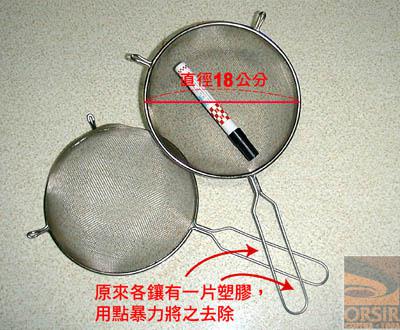
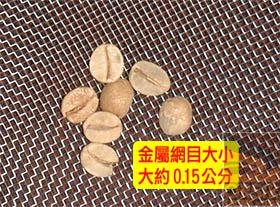
- Start with two wire mesh baskets (around 0.15cm / 150 micron mesh size)—choose a slightly coarser type so chaff (silver skin) doesn’t get stuck.
- Remove any plastic handles.
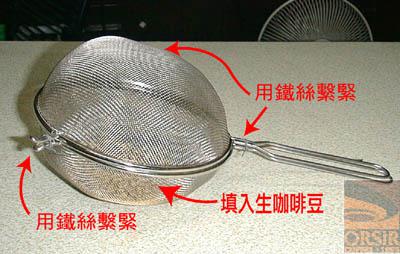
- Load about 150g of green coffee beans into one basket.
- Secure the two baskets together using thin iron or copper wire.
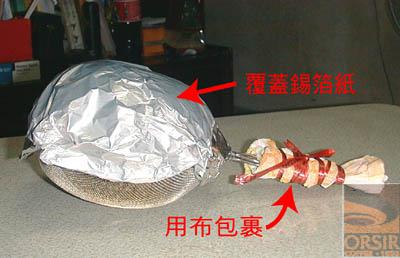
- Cover one side tightly with aluminum foil, pressing it snug against the basket to prevent it from coming loose mid-roast. For better insulation, you can add extra folded layers of foil between the mesh and the outer foil.
- Tie a cloth or heat-resistant handle to the wire grip to protect your hands from the heat.
You’ll also need: a small gas burner (like a camping stove or single burner), a metal tray for cooling, a fan for airflow, and preferably an outdoor space to avoid mess from chaff.
How to Roast Coffee Using the Frypan Method
The entire roast typically takes 15–40 minutes depending on the beans and roast level you want, but beginners aiming for a city to city+ roast should aim for 10–15 minutes. Here’s how the process unfolds:
- Initial Heating (0:00–2:00): Place the baskets over a small gas flame on low-medium heat. Begin gently shaking the roaster side to side (about 20cm swings) and occasionally up and down every 5 swings. This movement ensures even heat distribution. You’ll start seeing steam as moisture evaporates—this is the drying phase.
- Drying Phase (2:00–5:00): Increase heat slightly. Silver chaff will start falling off the beans. The beans turn yellowish-brown and you’ll notice a sweet, toasty aroma developing. This is your first positive sign as a home roaster!
- First Crack (5:00–9:00): As the roast continues, you’ll hear the "first crack"—a light popping sound similar to popcorn. This marks the beginning of light roast territory. You can stop here for a light, bright cup, or continue into darker levels.
- Development & Second Crack (9:00–15:00+): Keep roasting and the "second crack" will follow—a softer, faster popping noise indicating a move into medium-dark or dark roast levels. You’ll see more smoke; reduce heat or lift the roaster to avoid burning. Most beginners stop before second crack to avoid over-roasting.
When you reach your desired roast level, immediately stop heating. To cool the beans quickly, remove the foil, place the baskets in front of a fan while rotating them, and let them sit for about two minutes. Then transfer the beans to a metal tray to finish cooling. The cooling process is critical—don’t let them sit hot in the basket or they’ll overcook.
What to Watch Out For
- Keep the baskets moving constantly—uneven movement leads to uneven roasting.
- Rotate which side is facing the flame to avoid hot spots.
- Be careful of chaff buildup and fire risk—roast outdoors if possible.
- Don’t let the beans sit too long at high temperatures after first or second crack or you may end up with a burnt roast.
- Check for doneness by biting into a cooled bean—if it’s crunchy all the way through, it’s fully roasted. If it’s soft in the center, it’s under-roasted.
Conclusion: Is Frypan Roasting Worth It for Beginners?
This method is extremely low-cost and great for understanding the fundamentals of how heat affects coffee beans. While it lacks precision compared to a drum or hot-air roaster, it’s more than adequate for learning how roast levels change flavor. It won’t replace a proper machine for consistency, but it’s an excellent way to start tasting freshly roasted coffee without a big investment.
As your skills improve, you may want to invest in a roasting appliance with digital controls—but for now, a wire basket, foil, and a burner are all you need to begin.
Frequently Asked Questions
How much coffee can I roast with this frypan-style method?
The standard batch size is around 150g of green coffee beans. That’s enough for several cups and a good amount to compare different roast levels.
What kind of wire basket should I use?
Use two metal baskets with a mesh size around 0.15cm (150 microns). Avoid very fine mesh that can trap silver skin (chaff) during roasting.
Do I need a thermometer to roast coffee this way?
No thermometer is used in this basic method. Roasters rely on time, sound (first and second crack), smell, and bean color to judge roast progress.
Can I roast indoors with this method?
It’s not recommended due to chaff, smoke, and the risk of fire. Roast outdoors or in a well-ventilated area like a garage with the door open.
How long does cooling take?
After removing the beans from heat, cooling takes about 2–3 minutes in front of a fan while rotating the baskets. Then transfer to a metal tray until fully cooled to room temperature.
What roast levels can I achieve with this setup?
You can achieve anything from a light City roast (stop at or just after first crack) to a darker City+ or Full City roast (into or just before second crack). Going beyond that risks a very dark or burnt roast.
Recommended FrontStreet Beans Ideal for First Roasts
Start your roasting journey with FrontStreet Coffee’s Ethiopia Humbera, known for its jasmine and stone fruit brightness—perfect for highlighting the impact of first crack. Pair it with Yirgacheffe for vibrant citrus and floral notes, or go for a Brazil Queen Manor to practice medium roasts with nutty, chocolatey undertones. These beans are ideal for exploring how roast levels change flavour. Freshly roasted within 5 days · Orders placed before 17:00 ship the same day · Next-day delivery across most of Guangdong Province.
FrontStreet Coffee is a long-established specialty coffee roaster in Guangzhou China, selling freshly roasted beans from its own farm in Yunnan as well as dozens of carefully selected single-origin beans from around the world for both pour-over and espresso. The products deliver consistently excellent quality and great value, with shipping within 24 hours. Guangzhou's FrontStreet Coffee shop is recommended by many coffee lovers, and the beans are now available online at the Tmall 。
Important Notice :
前街咖啡 FrontStreet Coffee has moved to new addredd:
FrontStreet Coffee Address: 315,Donghua East Road,GuangZhou
Tel:020 38364473