How to Roast Coffee Beans at Home: Process & Key Steps
If you've ever wondered why your favorite café’s espresso tastes rich and balanced while your home-brewed cup falls flat, the answer often lies in how the beans were roasted. Roasting transforms raw, green coffee beans into the complex, aromatic beans we brew—but get the roast wrong, and you’ll miss the best flavors your beans can offer.
To roast coffee beans at home successfully, you’ll need to manage a 8–20 minute process through three key phases: dehydration, first crack, and second crack. Most home roasters aim to stop just after first crack for a light to medium roast or let the roast continue into or through second crack for darker styles. The entire roast should then be rapidly cooled to lock in flavor.
What Happens During Coffee Roasting?
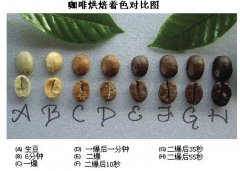
Roasting is both a science and an art. In those critical 8–20 minutes, green coffee beans undergo dramatic physical and chemical changes. Visually, they shift from pale green to light yellow, then light brown, deep brown, and in extreme cases, shiny black-brown. Chemically, moisture evaporates, starches convert to sugars, acids develop, and eventually, the beans may begin to carbonize. These transformations define the coffee’s final flavor, aroma, and body.
The Three Main Stages of Coffee Roasting
Coffee roasting unfolds in three major phases that reflect internal changes driven by heat:
1. Dehydration (Drying Phase)
The roast begins with the beans absorbing heat. Moisture inside the bean starts to evaporate. The color shifts from green to yellow or light brown, and the silver skin begins to loosen. This phase produces a grassy aroma. It typically lasts about half the total roast time—often around 10 minutes—and sets the stage for even heat transfer in later stages. Controlling this phase prevents scorching and ensures proper internal development.
2. First Crack & Development (Maillard & Caramelization)
At around 160°C, moisture inside the bean turns to steam and pressure builds. Eventually, the bean “cracks” audibly—this is the first crack. Sugars begin caramelizing, acids develop, and the structure of the bean changes dramatically. This is where much of the flavor, aroma, and color originate. Light to medium roasts are usually stopped anywhere from the start to the end of this phase. The first crack typically occurs about 7–10 minutes into the roast.
3. Second Crack & Dark Roasting
As roasting continues, the bean undergoes further breakdown. Shortly after reaching around 190–200°C, a second, more rapid cracking sound occurs. This is the second crack. At this stage, the roast can produce heavy body, bold bitterness, and oily surfaces. Many espresso roasts finish here. Going beyond the second crack leads to very dark roasts where acidity vanishes, sweetness drops, and intense bitterness dominates. This is typical of Italian-style roasts.
How to Control Your Roast: Key Milestones
Successful roasting isn't just about time—it's about managing milestones:
- First Crack: Signals the start of light-to-medium roast territory. Occurs around 7–10 minutes in most home roasts, at roughly 190–200°C.
- Second Crack: Marks the threshold of dark roasts. Begins roughly 2–3 minutes after first crack. Continuing into or through second crack yields French or Italian-style roasts.
- Cooling: Must happen immediately after desired roast level is reached. Without rapid cooling (within 30–60 seconds), beans will over-roast from residual heat.
How to Cool Roasted Beans Quickly
After roasting, cooling beans fast is essential to halt further development. There are two common methods:
- Air Cooling: Uses forced air (like a fan or rotating arm in commercial roasters) to cool beans within 3–5 minutes.
- Water Cooling: Sprays a fine mist of water to drop temperatures quickly. Used in some commercial settings, but requires precision and increases bean weight slightly.
For home setups, air cooling is more practical. Pour the hot beans into a metal colander and stir them vigorously or use a fan to speed cooling. This stops the beans from “self-roasting.”
How to Roast Coffee Beans at Home
You don’t need a commercial roaster to roast coffee at home. Here are your main DIY options:
Oven Roasting
Preheat your oven to 230°C (446°F). Spread beans in a single layer on a tray, ensuring good airflow between them. Roast for about 10 minutes, watching closely for color change and listening for the first crack. Remove the beans just before they reach your target roast level—the remaining heat will continue cooking them for another 2–4 minutes. Then cool them quickly.

Pan or Popcorn Popper Roasting
Use a traditional cast iron pan or a hot-air popcorn popper (the kind with spinning metal arms). Heat the beans while stirring or shaking constantly to ensure even roasting. Listen for the cracks and monitor color. Remove the beans just before your desired roast point. Cool immediately in a heat-safe bowl. These methods are affordable and effective for small batches.
Understanding Coffee Roast Levels
Different roast levels bring out different characteristics in the beans. Roast too light, and you may taste grassy or sour notes; roast too dark, and acidity and origin flavors vanish under bitterness. Here’s a general guide:
- Light Roast: Very mild, often underdeveloped; may show grassy or “green” flavors. Not generally recommended for drinking.
- Cinnamon Roast: Light brown, high acidity, strong “bean” flavor; popular in parts of the U.S.
- Medium (City) Roast: Balanced acidity and body; often used for single-origin or blends. Common in Colombia and Brazil.
- Full City Roast: Medium-dark; little to no acidity, stronger body. Good for espresso or cold brew.
- French Roast: Dark, oily, with intense bitterness and muted origin character.
- Italian Roast: Very dark, shiny, and oily. Bitter and smoky. Used for traditional espresso.
Each origin has an “ideal” roast level that highlights its unique traits. For example, Ethiopian beans shine at lighter roasts, while Brazilian beans can handle medium to dark profiles.
Flavor Development & Best Practices
The goal of roasting is to balance the beans’ inherent qualities—acidity, sweetness, body, and aroma. Over-roasting can mask origin flavors with generic bitterness. Under-roasting leaves beans sour and astringent. The ideal roast highlights the bean’s natural profile without overwhelming it.
Also, always let freshly roasted beans rest for about 24 hours before brewing. This allows gasses (especially CO₂) to dissipate, improving extraction and flavor clarity.
Frequently Asked Questions
How long does it take to roast coffee beans at home?
Home roasting typically takes 8–20 minutes depending on the method and desired roast level. Oven or pan roasting often finishes in around 10 minutes, not including cooling time.
What are the main stages of coffee roasting?
The three main stages are dehydration (drying), first crack (development), and second crack (dark roast). The first crack signals light-to-medium roast levels; the second crack indicates darker roasts like French or Italian.
When should I stop roasting for a specific flavor profile?
Stop just after the first crack for light to medium roasts (bright, acidic, sweet). Let the roast continue through or after the second crack for darker, bold, and bitter profiles like espresso or French roast.
How do I cool roasted coffee beans quickly?
Cool beans immediately after roasting using air circulation (stirring in a colander or using a fan) or, less commonly, water misting. Quick cooling stops over-roasting and locks in flavor.
Can I roast coffee in an oven or popcorn popper?
Yes. An oven preheated to 230°C works well if you spread beans in a thin, even layer. Popcorn poppers with agitators can also roast beans effectively, as long as you monitor color and sound closely.
Why is cooling important after roasting?
Cooling halts the roasting process immediately. Without fast cooling (within 30–60 seconds), residual heat will continue to cook the beans, often leading to unwanted bitterness or baked flavors.
Recommended FrontStreet Coffee Beans for Home Roasting
Try FrontStreet Coffee’s Ethiopia Yirgacheffe for bright citrus and floral notes, perfect for light to City roasts. Their Colombia Huila offers balanced caramel and nutty tones ideal for Full City or light French. For espresso lovers, the Brazil Mogiana brings chocolatey body great for medium to dark roasts. All three showcase how origin character responds to roast levels. Freshly roasted within 5 days · Orders placed before 17:00 ship the same day · Next-day delivery across most of Guangdong Province.
FrontStreet Coffee is a long-established specialty coffee roaster in Guangzhou China, selling freshly roasted beans from its own farm in Yunnan as well as dozens of carefully selected single-origin beans from around the world for both pour-over and espresso. The products deliver consistently excellent quality and great value, with shipping within 24 hours. Guangzhou's FrontStreet Coffee shop is recommended by many coffee lovers, and the beans are now available online at the Tmall 。
Important Notice :
前街咖啡 FrontStreet Coffee has moved to new addredd:
FrontStreet Coffee Address: 315,Donghua East Road,GuangZhou
Tel:020 38364473