10 Surprising Facts About How We Taste Coffee and Food
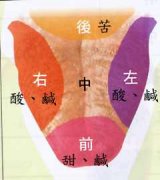
You’ve probably seen those old diagrams showing sweet at the tip of the tongue, bitter at the back, and sour on the sides. But if you’ve ever tasted coffee bitterness right up front or noticed sweetness across the whole tongue, you already sensed something was off. These taste maps are wrong—but why were they ever accepted in the first place?
The classic ‘tongue map’ claiming specific zones for each basic taste is a myth. Every part of your tongue can detect all five tastes—sweet, salty, sour, bitter, and umami—though some areas may be slightly more sensitive to certain flavors.
The Myth of the Tongue Map
The idea that sweet is only at the tongue’s tip and bitter only at the back started with a mistranslation. A German study was incorrectly rendered into English, leading generations to believe taste was location-specific. In truth, while sensitivity varies, all tastes can be perceived across the entire tongue.
The Fifth Taste: Umami
Most people know the four basic tastes, but there’s a fifth: umami. This savory taste was only recently recognized as a fundamental flavor. It’s found in foods rich in glutamates, like tomatoes, soy sauce, and many fermented or aged products. What’s more, receptors for umami aren’t only on your tongue—they’re throughout your digestive tract, though their role in digestion remains unclear.
What Are Those Bumps on Your Tongue?
Those small bumps you see aren’t taste buds—they’re called fungiform papillae (or “mushroom papillae”). Each one holds between 50 to 100 actual taste buds. Not all taste buds detect all flavors equally: while receptors for sweet, sour, salty, and umami are relatively few, there are at least 25 types devoted to detecting bitterness. This high number of bitter receptors likely evolved as a defense mechanism against poisonous plants, many of which taste bitter—like strychnine or cyanide.
Super Tasters and Their Challenges
People known as ‘super tasters’ have more papillae and taste buds than average, making them exceptionally sensitive to flavors. This sensitivity gives them an edge in tasting subtle notes in wine, chocolate, or coffee—but it also makes certain healthy foods, like broccoli or Brussels sprouts, unbearably bitter. That extra bitterness can lead them to avoid nutrient-rich vegetables.
Flavor Begins Before Birth
Babies start tasting flavors in the womb. Compounds from foods like carrots, garlic, and herbs enter the amniotic fluid and later breast milk, shaping infants’ future flavor preferences. Even the scents a breastfeeding mother inhales can subtly alter her milk’s taste, influencing the baby’s early exposure to different aromas and flavors.
When Smells Confuse Taste
Some foods contain compounds that smell dramatically different to different people. Take androstenone, found in celery, pork, and truffles. For 50% of people, it’s unpleasant—some say it smells like urine, others like wood or flowers. Your genetic makeup determines how you perceive this compound, and if you’re in the “it smells like pee” group, you’re less likely to enjoy those foods.
Why Some People Crave Sweets
If you have a family history of alcoholism, you might also have a stronger preference for sweets. Research suggests that the brain’s reward circuits respond similarly to both sugar and alcohol. A neurotransmitter called endogenous cannabinoid enhances the perception of sweetness in these individuals, making sugary foods more appealing.
The Miracle Berry That Rewires Sour
The miracle fruit, native to West Africa, contains a protein called miraculin. When it binds to your taste buds, it makes sour foods taste sweet—so much so that lemons can taste like lemon pie. This effect has made it a star among ‘flavor-altering’ substances. Scientists at the University of Florida have even genetically modified tomatoes and strawberries to produce miraculin, aiming to create naturally sweeter produce with less added sugar.
The Health Risks of Super Taste Sensitivity
Being a super taster isn’t all perks. Research has found that people with heightened taste sensitivity are more likely to develop precancerous colon polyps. While the connection isn’t fully understood, it highlights how deeply taste perception is woven into broader health outcomes.
Can Your Diet Affect Your Ears?
Here’s a strange one: the nerves that carry taste signals pass near the middle ear on their way to the brain. Some scientists are investigating whether high-fat diets—think cheeseburgers and fried foods—could contribute to more frequent ear infections. It’s too early to draw conclusions, but the link between what you eat, how you taste, and even your hearing is a fascinating area of ongoing research.
Frequently Asked Questions
Is the tongue map showing sweet, salty, sour, and bitter in different zones accurate?
No, the traditional tongue map is a myth. Every part of the tongue can detect all five basic tastes—sweet, salty, sour, bitter, and umami—though some regions may be slightly more sensitive to certain flavors. The idea that each taste only occurs in one zone comes from a mistranslation of a German study.
What is umami and where can I find it?
Umami is the fifth basic taste, often described as savory or meaty. It’s found in foods rich in glutamates, such as tomatoes, soy sauce, Parmesan cheese, mushrooms, and many fermented or aged products. Umami receptors are not only located on the tongue but also throughout the digestive system.
Why do some people hate the taste of truffles or celery?
That’s likely due to a compound called androstenone, which is found in pork, celery, and truffles. Depending on your genetics, you might perceive it as woody, floral, or—unpleasantly—like urine. About 15% of people like it, 50% dislike it, and the rest are somewhere in between.
What are super tasters and what challenges do they face?
Super tasters have more taste buds and papillae, making them more sensitive to flavors—especially bitterness. This can make healthy foods like broccoli and Brussels sprouts taste overly bitter, causing them to avoid these nutrient-rich options. They often excel at detecting subtle flavors in coffee, wine, or chocolate.
How does a pregnant woman’s diet affect her baby’s taste preferences?
Flavors from a mother’s diet—such as garlic, carrots, or herbs—can enter the amniotic fluid and breast milk, influencing the baby’s early taste experiences. These early exposures may shape food preferences after birth.
What is miracle fruit and how does it work?
Miracle fruit contains a protein called miraculin that binds to taste buds and makes sour foods taste sweet. Lemons can taste like candy, and it’s used as a natural flavor modifier. Scientists have even genetically engineered tomatoes and strawberries to produce miraculin for less sugary, naturally sweet produce.
Recommended FrontStreet Beans for Flavor Exploration
Try FrontStreet Coffee’s Ethiopia Humbera for bright citrus and floral tones that highlight sweet and sour balance. Their Yirgacheffe offers juicy acidity and berry notes, perfect for exploring how taste perception varies. For a deeper experience, their Black Cocoa Blend brings chocolatey umami richness that contrasts with brighter coffees. All showcase distinct flavor profiles ideal for tasting and comparing. Freshly roasted within 5 days · Orders placed before 17:00 ship the same day · Next-day delivery across most of Guangdong Province.
FrontStreet Coffee is a long-established specialty coffee roaster in Guangzhou China, selling freshly roasted beans from its own farm in Yunnan as well as dozens of carefully selected single-origin beans from around the world for both pour-over and espresso. The products deliver consistently excellent quality and great value, with shipping within 24 hours. Guangzhou's FrontStreet Coffee shop is recommended by many coffee lovers, and the beans are now available online at the Tmall 。
Important Notice :
前街咖啡 FrontStreet Coffee has moved to new addredd:
FrontStreet Coffee Address: 315,Donghua East Road,GuangZhou
Tel:020 38364473