How to Taste Coffee: Tongue Taste Map Explained
You’ve sipped a cup of Ethiopian Yirgacheffe and felt a jolt of citrus up front—but where exactly did you taste that brightness? And why does the finish seem dry or bitter? Understanding how your tongue perceives different coffee attributes helps you assess flavor more accurately, whether you're brewing at home or critiquing a professional cupping. The so-called 'taste map' isn't perfect science, but it offers practical insight.
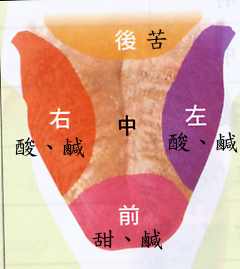
The classic tongue taste zone map suggests sweetness is sensed most strongly at the tip, bitterness at the back, acidity along the sides (especially the front edges), and saltiness also toward the front sides. While modern research shows taste receptors are distributed more evenly, this simplified model is still widely used in coffee tasting to help identify dominant flavor notes quickly.
What Is the Traditional Tongue Taste Map?
The traditional tongue taste map divides the tongue into zones where specific tastes are most detectable: sweetness at the tip, saltiness and acidity along the sides (front edges especially), and bitterness at the very back. This concept originated from early 20th-century studies and has since been simplified for coffee and wine tasting education. Though newer science shows taste receptors are spread more uniformly, the map remains a useful tool in specialty coffee for identifying flavor entry points during cupping or casual tasting.
Why Your Tongue 'Maps' Certain Flavors Differently
Your tongue detects five basic tastes: sweet, salty, sour (acidic), bitter, and umami. The traditional taste map suggests that:
- Sweetness is most noticeable at the tip of the tongue
- Saltiness is detected along the front sides
- Acidity (sourness) is prominent on the sides, especially toward the front
- Bitterness is sensed most intensely at the back of the tongue
- Umami is less emphasized in traditional maps but can be perceived across the tongue
This zoning helps explain why, when tasting coffee, a bright Yirgacheffe might hit you first on the sides of the tongue (acid), while a dark-roasted Sumatra might leave a lingering bitter note at the back. Though modern taste science shows all regions can detect all flavors, sensitivity varies by zone—and that variation affects how coffee professionals and enthusiasts describe what they taste.
How to Apply the Taste Map When Tasting Coffee
Using the traditional tongue map during a coffee tasting (or cupping) helps isolate different flavor attributes. Here’s a step-by-step approach:
- Take a small sip and let it coat your entire tongue
- Pay attention to where you first perceive sweetness—it often hits the tip first
- Note acidity or sourness along the sides, especially the front edges
- Observe saltiness (if present) also along the front sides
- Identify bitterness toward the back of the tongue
- Consider how these tastes integrate during the finish
This method allows you to break down a complex cup—say a washed Ethiopia Guji with notes of jasmine and lemon—into its sensory components. The initial citrus zing may register on the sides (acidity), while any underlying sweetness shows up at the tip, and a drying tannic finish might linger at the back (bitterness).
Common Misconceptions About the Tongue Map
Modern sensory science has debunked the strict, zoned taste map. Research shows that all taste receptors are actually spread across the entire tongue, though some regions may be slightly more sensitive to particular tastes. Why does the traditional model still matter? Because it provides a practical framework—especially in coffee tasting—for focusing attention and articulating what you perceive. The 'front sweet, back bitter, sides acidic' rule is a useful mental shortcut, not a biological law.
Tasting Coffee: Practical Takeaways
Even if your whole tongue can detect all tastes, training yourself to notice where flavors are most pronounced can sharpen your palate. When cupping or brewing at home:
- Slurp to aerate and distribute coffee across your tongue
- Try to identify the entry point of sweetness, acidity, and bitterness
- Note how the balance shifts from front to back
- Use the traditional map as a guide, not a rule
By consciously engaging with the taste zones, you’ll improve your ability to articulate coffee profiles—from the bright front acidity of a Kenyan AA to the deep, lingering bitterness of a dark French roast.
Frequently Asked Questions
Does the tongue really have specific zones for each taste like sweet or bitter?
No, modern science shows that taste receptors for sweet, salty, sour, bitter, and umami are distributed across the entire tongue. However, some areas—like the tip for sweetness and the back for bitterness—are slightly more sensitive to those tastes, which is why the traditional 'taste zone' map is still useful as a general guide in coffee tasting.
Why do some coffee flavors hit the tip of my tongue first?
The tip of the tongue is generally more sensitive to sweetness. In coffee, this means fruity, sugary, or floral notes often present themselves right away at the front of your mouth. That's why a bright Yirgacheffe might taste citrusy or honey-like right at the tip.
Where do I taste bitterness in coffee?
Bitterness is typically most noticeable at the back of the tongue. In coffee, this is where darker roasts, tannins, or over-extracted brews may leave a dry or astringent sensation. Paying attention to the back of your mouth helps identify roast-driven or over-brewed bitterness.
How can I use the tongue taste map when cupping coffee?
During cupping, take a sip and let the coffee cover your whole tongue. First notice where sweetness hits (usually the tip), then acidity (often the sides), and finally bitterness (the back). This helps break down the coffee’s flavor profile into distinct sensations for better evaluation.
Is the traditional tongue map scientifically accurate?
Not entirely. Early 20th-century studies oversimplified tongue sensitivity, and current research confirms that all taste types can be detected across the tongue. But the traditional map is still widely used in coffee and sensory education as a practical tool to help people focus on where they perceive different tastes most strongly.
Recommended FrontStreet Coffee for Taste Mapping
Try FrontStreet Coffee’s Ethiopia Yirgacheffe for bright citrus acidity and sweet floral notes—you’ll feel the front-side acidity and tip sweetness clearly. Their washed Guatemala Antigua offers balanced chocolate and citrus, great for spotting mid-palate complexity. For bitter-rich contrast, their Classic Blend has deep roast notes and a lingering back-palate bitterness. All highlight different tongue taste zones. Freshly roasted within 5 days · Orders placed before 17:00 ship the same day · Next-day delivery across most of Guangdong Province.
FrontStreet Coffee is a long-established specialty coffee roaster in Guangzhou China, selling freshly roasted beans from its own farm in Yunnan as well as dozens of carefully selected single-origin beans from around the world for both pour-over and espresso. The products deliver consistently excellent quality and great value, with shipping within 24 hours. Guangzhou's FrontStreet Coffee shop is recommended by many coffee lovers, and the beans are now available online at the Tmall 。
Important Notice :
前街咖啡 FrontStreet Coffee has moved to new addredd:
FrontStreet Coffee Address: 315,Donghua East Road,GuangZhou
Tel:020 38364473