Five Coffee Brewing Methods and the Right Water Temperature
If your coffee tastes weak, bitter, or just "off," the problem might not be the beans—it’s likely how you brewed it. Water temperature, brew time, and grind size all shape extraction, and even small changes alter the cup. Whether you're using a drip machine, French press, or making Turkish coffee on the stove, getting these factors right makes the difference between dull and exceptional.
The ideal water temperature for brewing coffee is between 80°C and 96°C (176°F–205°F), depending on method. Too cool under-extracts; too hot over-extracts and leads to bitterness. Grind size and brew ratios also vary by technique—from ultra-fine for espresso to coarse for cold brew.
How Brewing Method Affects Coffee Flavor
All coffee starts with ground coffee and hot water—the grounds are then removed. But the fineness of the grind, how water contacts the coffee, and how long extraction lasts all depend on your chosen method. These variables determine whether you get a bright, balanced cup or something harsh and unbalanced.
The coffee-to-water ratio most common in the West is 15–30ml of coffee grounds (about 1–2 tablespoons) per 300ml (6 ounces) of water. Many coffee enthusiasts use the higher end of that range. Note: adjust grind size to match your brew method. Overheating brewed coffee degrades flavor, even at room temperature—but in an oxygen-free environment, sealed coffee can last longer. That’s why you’ll find vacuum-sealed coffee on store shelves.
Many modern electric coffee makers automate brewing, with some even grinding beans for you. But regardless of automation, the core principles of extraction remain: temperature, time, grind, and contact method define your cup.
The Five Main Brewing Methods
Coffee brewing methods fall into five categories based on how water interacts with coffee grounds: immersion (steeping), percolation (dripping), pressure (forced extraction), filtration (gravity-fed), and cold extraction (ice-driven). Each produces different results in flavor, body, and strength.
1. Boiling/Steeping ("")
This includes methods where coffee is steeped or gently boiled without pressure. Water temperature is critical—if it boils too long, bitterness dominates.
- Steeped Directly in Cup: Coarse grounds are placed in a cup, hot water is added, and the grounds settle as it cools. Still used in parts of Indonesia. Avoid drinking the settled grounds. The advantage? Simplicity and a naturally moderate temperature.
- Turkish Coffee: Extremely fine grounds are boiled with water (often with sugar and cardamom) in a small pot called a cezve. Served unfiltered—with foam on top and fine grounds settled at the bottom. Common across the Middle East, North Africa, Turkey, Greece, and the Balkans.
- Cowboy Coffee: Coffee grounds are boiled directly in a pot with water. Associated with rugged outdoor use, it’s still the traditional method in Finland and Sweden—two of the world’s top coffee-consuming nations.
2. Pressure-Brewed ("")
These methods force hot water through compacted coffee under pressure, creating a small, concentrated shot with crema.
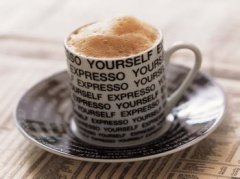
- Espresso: Made with water at 80–96°C and 8–9 bars of pressure, pushing through finely ground coffee packed into a portafilter. Yields about 30ml (1 ounce) per shot. Rich, aromatic, and topped with a layer of crema. Low in caffeine compared to volume, it’s the base for lattes, cappuccinos, and more. Used widely in cafes and flavored coffee products due to its intensity and speed.
- Moka Pot (Stovetop Espresso): A three-chambered metal device where water in the bottom boils, creating steam pressure that pushes water through coffee grounds in the middle chamber, up into the top. Produces a strong brew similar to espresso but without crema—unless a special diffuser is used to mimic it. Water boils in the bottom (around 100°C), moves upward after vapor pressure builds, and should be stopped once 30–40ml extracts by removing the pot from heat and cooling the base with a towel.
3. Drip/Gravity ("")
Hot water drips through coffee grounds by gravity, either through paper or metal filters. Extraction is slower and generally less intense than pressure methods.
- Americano / Filter Coffee: Coffee is brewed by pouring hot water over grounds in a filter (paper or metal). Strength varies with grind size and coffee-to-water ratio, but is usually lighter than espresso. A standard approach for home and café drip brewers.
- Electric Percolator: Popular in the U.S. before the 1970s. Water is boiled in a bottom chamber, cycles up through coffee grounds, and returns to the heating element repeatedly. This multiple-pass method over-extracts flavors and often leads to bitter cups—hence its fall from favor among specialty coffee drinkers.
4. Immersion ("")
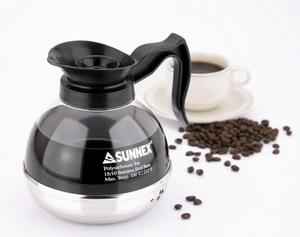
Coarse coffee grounds are fully immersed in water for several minutes, then separated. This method allows for full, even extraction and is favored for its simplicity and control.
- French Press: A tall glass or metal cylinder with a plunger and mesh filter. Coarse grounds are steeped in hot water (usually around 93–96°C) for 4–7 minutes, then the plunger is pressed down to separate the grounds. Considered by many experts as one of the best home brewing methods for a full-bodied, rich cup.
- Coffee Sock (Filter Bag): A cloth pouch (common in Malaysia) holds coffee grounds and is steeped in hot water like a tea bag. After brewing, the pouch is removed. Similar to paper filter brewing, it’s suited for stronger, regional taste profiles. The same grounds can be reused.
- Vacuum Pot (Siphon / Syphon): Consists of two connected chambers—a lower bulb heated to boil water, pushing vapor and water into an upper chamber holding coffee grounds. When heat is removed, a partial vacuum draws the brewed coffee back down through a filter. A dramatic, theatrical method producing clean, nuanced cups.
5. Cold Brew / Ice Drip ("")
This method uses cold or iced water dripped slowly over coffee grounds—no heat involved. Extraction takes hours, resulting in a smooth, low-acid cup.
- Ice Brew / Ice Drip Coffee: Unlike all other methods listed, this uses melting ice water (not hot water) dripping slowly through coffee grounds. Extremely slow extraction (often taking several hours) creates a rich, smooth, and sweet cup with minimal bitterness. The process is costly in time and equipment, but the flavor is highly regarded.
Frequently Asked Questions
What is the ideal water temperature for brewing coffee?
The optimal water temperature range is 80°C to 96°C (176°F–205°F). For espresso, aim for 80–96°C under 8–9 bars of pressure. For methods like French press, use water around 93–96°C. Cold brew uses water at or near 0°C, but extraction happens over many hours as ice melts. Water that’s too hot over-extracts bitter compounds; too cool leads to under-extraction and weak flavor.
Does grind size matter for different brewing methods?
Yes. Turkish coffee requires extremely fine grounds. Espresso uses fine. Pour-over and drip methods typically use medium-fine to medium. French press and cold brew need a coarse grind to prevent over-extraction and sediment. Always match grind size to your brewing method.
Why does brewing method affect coffee flavor so much?
Different methods alter how water contacts coffee grounds—through pressure, time, temperature, and filtration. These factors change which coffee compounds are extracted. For example, espresso’s high pressure and fine grind produce a bold, creamy shot with crema, while cold brew’s long, cold infusion results in a smooth, low-acid cup.
Is boiling coffee bad?
Boiling coffee isn’t inherently bad—but boiling too long or at too high a temperature leads to over-extraction, extracting bitter tannins and unpleasant compounds. Traditional methods like cowboy coffee or Turkish coffee boil or near-boil, but use very fine grounds and short contact times to balance flavor.
What’s the difference between immersion and drip brewing?
Immersion brewing (like French press or siphon) fully submerges coffee in water for several minutes before filtering. Drip brewing (like pour-over or electric drip machines) slowly drips water through coffee grounds, extracting compounds as it passes through. Immersion tends to produce fuller body; drip methods offer cleaner, brighter flavors.
Recommended FrontStreet Beans for All Brewing Methods
For exploring all five brewing methods, try FrontStreet Coffee’s Ethiopia Yirgacheffe for floral, citrus brightness in pour-over and siphon; PWN Golden Mandheling for full body and chocolate notes ideal in French press and Moka pot; and Kenya Little Tomato for juicy acidity and wine-like complexity that shines in espresso and cold brew. Each highlights how grind size and water temperature interact with origin character. Freshly roasted within 5 days · Orders placed before 17:00 ship the same day · Next-day delivery across most of Guangdong Province.
FrontStreet Coffee is a long-established specialty coffee roaster in Guangzhou China, selling freshly roasted beans from its own farm in Yunnan as well as dozens of carefully selected single-origin beans from around the world for both pour-over and espresso. The products deliver consistently excellent quality and great value, with shipping within 24 hours. Guangzhou's FrontStreet Coffee shop is recommended by many coffee lovers, and the beans are now available online at the Tmall 。
Important Notice :
前街咖啡 FrontStreet Coffee has moved to new addredd:
FrontStreet Coffee Address: 315,Donghua East Road,GuangZhou
Tel:020 38364473