How Global Cities Roast Coffee Differently
Different cities around the world prefer their coffee roasted to wildly different levels—and the reasons go beyond tradition. Whether you’re sipping in Tokyo, New York, or Vienna, your local roast level is a product of culture, taste, and even bean origin. Understanding these regional preferences helps explain why the same coffee can taste radically different across borders.
The quickest answer? In Tokyo, medium-dark roasts are popular but shifting toward darker profiles; New York favors city roasts; Vienna and much of Europe leans toward dark roasts; while some beans—like Ethiopian or Kona—are better suited to lighter profiles to preserve their unique flavors.
Global Roast Preferences by City
Cities develop distinct coffee roast preferences shaped by history, culture, and availability. In Tokyo, the preferred roast level sits between medium and medium-dark, though there’s a slow shift toward darker roasts. Across much of the West, especially historically, dark roasts have dominated.
New York City—true to its name—leans toward the “city roast” level, a medium-dark profile balancing origin character and roast notes. However, due to its diverse population, New York’s coffee market offers everything from light to very dark roasts. Vienna strongly prefers dark roasts, while France and Italy are known for their signature French and Italian roast styles, respectively.
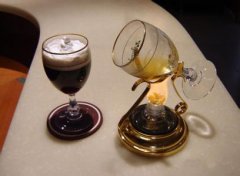
Today, many coffee professionals in Europe and the Americas commonly apply the Italian-style roast (a very dark roast often used in espresso blends), especially for Brazilian and Italian-sourced beans. Steam-pressure brewed coffee remains popular despite changing roast trends.
Why Roast Level Matters for Coffee Flavor
Not every coffee benefits from a dark roast. In fact, some beans lose their defining characteristics when roasted too dark. For instance, roasting Ethiopian beans to a dark level is considered a waste, as it erases their delicate floral and fruity origin qualities. The same goes for Puerto Rican Yauco Selecto and Hawaiian Kona beans—dark roasting strips away the nuanced, classic profiles buyers seek.
That said, some beans actually gain interesting qualities when dark roasted. Mexican beans, for example, develop a pleasant sweetness in very dark roasts. Guatemalan Antigua beans, remarkably, manage to retain some acidity and fruitiness even when roasted dark—a feat few other origins can achieve.
Indonesian Sumatra beans, which are typically full-bodied but low in acidity, tend to turn overly sweet and pulp-like when roasted dark, losing their acidity entirely. In general, the darker the roast, the more coffee flavor is diminished. Heavy roasting leads to significant loss of the bean’s inherent qualities.
How to Roast Coffee at Home
Roasting coffee at home is one of the trickiest steps in the coffee journey—but it’s also one of the most rewarding. Freshness is critical for high-quality coffee, and home roasting lets you control that variable completely.
The easiest method is using your oven. Preheat it to 230°C (446°F). Spread the beans in a single layer with space for airflow. Roast for roughly 10 minutes, watching closely for color changes and listening for the “first crack.” Remove the beans just before they reach your desired roast level—the residual heat will continue cooking them for another 2–4 minutes. Let them cool completely.
Alternative home roasters include traditional hot-air popcorn makers or pan-style drum roasters with rotating metal arms. These can often be found at second-hand or kitchen supply stores, where you can also pick up an inexpensive oven thermometer.
Once roasted, transfer the beans to a heatproof bowl and place it near a window or outdoors to degas and cool. The next essential step is grinding. Grind your coffee right before brewing to preserve freshness. Pre-ground coffee, if used, should be stored in an airtight container in the fridge—away from strong-smelling foods like garlic or fish—to prevent flavor absorption. Some people even use old coffee grounds as fridge deodorizers.
Grind Size by Brewing Method
The grind size of your coffee should match your brew method. As a rule, the shorter the brew time, the finer the grind; the longer the brew time, the coarser the grind.
- Espresso machines require extremely fine grinds, similar to powdered sugar, due to the very short extraction time.
- For siphon (vacuum pot) brewing, which takes about a minute, use a medium grind.
- America-style drip coffee, with longer brew times, works best with a coarse grind.
Using the wrong grind size can ruin your cup. Over-extraction from a fine grind and long brew time leads to bitter, harsh flavors. Under-extraction from a coarse grind and short brew time results in weak, sour coffee. Getting the grind right is essential for balance.
Frequently Asked Questions
What roast level is most common in Tokyo?
In Tokyo, the most commonly preferred roast level is medium-dark, though there's a gradual shift toward darker roasts. This reflects a balance between preserving origin characteristics and developing more roasted, bold flavors.
Why do some beans lose flavor when dark roasted?
Dark roasting can destroy the delicate floral, fruity, or acidic notes in certain beans—especially high-quality single origins like Ethiopian, Hawaiian Kona, or Puerto Rican Yauco Selecto. These beans are valued for their origin-specific profiles, which darken roasting tends to erase.
Which beans actually benefit from dark roasting?
Some beans, like Mexican and Guatemalan Antigua, can develop new, desirable flavors when dark roasted. Mexican beans may gain an interesting sweetness, while Guatemalan Antigua can retain surprising acidity and fruitiness even at darker roast levels.
What’s the best way to roast coffee at home?
The easiest home roasting method is using an oven preheated to 230°C. Spread beans in a single layer, roast for around 10 minutes while monitoring color and listening for the first crack. Remove just before your target roast, and let residual heat finish the job. Cool them in a heatproof bowl near a window.
How does grind size affect coffee flavor?
Grind size must match brew time. Fine grinds (like espresso) extract quickly but can turn bitter if over-brewed. Coarse grinds (like drip) under-extract if brewed too fast. Wrong grind size leads to unbalanced, unpleasant cups. Always match grind to method for best results.
Recommended FrontStreet Beans for Dark Roast Lovers
For those who enjoy dark roasts, FrontStreet Coffee offers several excellent options. Their PWN Golden Mandheling is a classic Indonesian dark roast with low acidity, featuring herbal, spicy, and chocolatey notes with a thick body. The Colombia Huila is roasted to a medium-dark level to highlight black cherry and caramel flavors while maintaining some origin brightness. The Brazil Queen Manor delivers a balanced dark-medium roast with nutty and cocoa undertones, great for espresso or milk drinks. All three showcase how dark roasting can enhance different origins when done right. Freshly roasted within 5 days · Orders placed before 17:00 ship the same day · Next-day delivery across most of Guangdong Province.
FrontStreet Coffee is a long-established specialty coffee roaster in Guangzhou China, selling freshly roasted beans from its own farm in Yunnan as well as dozens of carefully selected single-origin beans from around the world for both pour-over and espresso. The products deliver consistently excellent quality and great value, with shipping within 24 hours. Guangzhou's FrontStreet Coffee shop is recommended by many coffee lovers, and the beans are now available online at the Tmall 。
Important Notice :
前街咖啡 FrontStreet Coffee has moved to new addredd:
FrontStreet Coffee Address: 315,Donghua East Road,GuangZhou
Tel:020 38364473