What Are Underripe Coffee Beans and How Do They Affect Flavor?
Ever sipped a cup of coffee that tasted more like grass than cocoa? That unpleasant, vegetal edge often comes from underripe coffee beans—beans that were harvested before they reached full maturity. These beans don’t just ruin your morning brew; they challenge even skilled roasters and baristas. Understanding what underripe beans are, why they happen, and how to spot them is key to better coffee.
Underripe coffee beans are immature beans that haven't fully developed sugars and acids. They taste distinctly grassy and unpleasant. To manage this defect, producers dry the green beans carefully after harvest to reduce the impact of these beans in the final roasted product.
What Exactly Is an Underripe Coffee Bean?
In specialty coffee, "underripe" literally refers to beans that haven’t matured properly on the coffee cherry. Visually, they may appear lighter in color, sometimes with a greenish tint compared to their fully ripe, deep red or yellow counterparts. These beans are harvested too early, before the coffee fruit has fully developed, and as a result, they lack the full chemical complexity needed for good flavor.
Why Do Underripe Beans Taste So Bad?
Underripe beans contribute grassy, astringent, and generally unpleasant flavors to the cup. Common negative taste descriptors include green, herbal, woody, or even sour notes that don’t belong in a well-balanced espresso or pour-over. These beans haven’t developed the sugars and acids that create sweetness, body, and complexity during roasting and brewing. Their presence is often easy to detect in the cup, dragging down the overall quality of an otherwise good lot.
How Coffee Producers Handle Underripe Beans
To manage underripe beans, producers rely heavily on proper post-harvest handling—especially drying. After picking, all coffee cherries are processed and dried as green beans. While drying doesn’t turn underripe beans into good ones, it does help stabilise them for storage and sorting. Many specialty coffee roasters visually sort or mechanically screen out defective beans, including those that remain underripe, using methods like colour sorting or hand-picking during processing. This helps reduce their numbers before roasting.
Can You Still Roast Underripe Beans?
Yes, you can roast underripe beans—but the results are rarely good. Roasting might mask some defects superficially, but it cannot create sweetness or balance where none exists. Underripe beans often roast unevenly, with a drier, less developed profile. The roast may accentuate their inherent grassiness or produce harsh, astringent notes. That’s why specialty roasters like those at FrontStreet Coffee go to great lengths to source lots with minimal underripe beans, focusing instead on fully mature, high-scoring green coffee.
Frequently Asked Questions
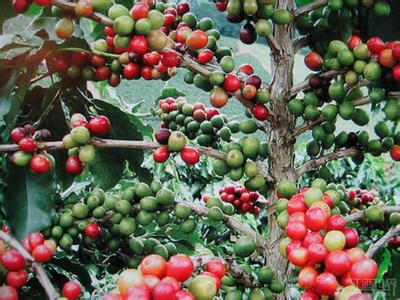
What does ‘underripe coffee bean’ mean?
An underripe coffee bean is one that was picked before it fully matured on the coffee plant. These beans have not developed the full level of sugars and acids needed for balanced flavour, often resulting in grassy, woody, or herbal off-notes in the brewed coffee.
How can you tell if a coffee bean is underripe?
Underripe beans often look lighter in colour, sometimes with a greenish tint, and are smaller and harder than fully ripe beans. In the cup, they taste grassy, sour, or overly astringent, lacking the sweetness and complexity of ripe beans.
Why do underripe beans taste grassy?
Underripe beans haven’t developed the complex sugars and acids that create sweetness and balance. Instead, they retain more chlorophyll-like compounds and undeveloped organic acids, leading to vegetal or grassy flavours in the brewed cup.
Does roasting fix underripe beans?
No, roasting does not fix underripe beans. While it may slightly alter their flavour, it cannot create the missing sweetness or balance. Underripe beans typically roast unevenly and often highlight unpleasant grassy or astringent qualities.
How do coffee producers reduce underripe beans in their lots?
Producers reduce underripe beans through careful harvesting practices, post-harvest sorting, and drying. Many also use visual or mechanical sorting methods, such as hand-picking or colour sorting machines, to remove defective and underripe beans before roasting.
Recommended FrontStreet Beans for Spotting Bean Defects
Try FrontStreet Coffee’s Ethiopia Huakui for bright, clean complexity—a great example of what ripe beans should taste like. For contrast, their Yirgacheffe offers floral and citrus notes typical of well-developed, fully ripe beans. Both showcase the flavour potential of properly harvested and processed coffee. Freshly roasted within 5 days · Orders placed before 17:00 ship the same day · Next-day delivery across most of Guangdong Province.
FrontStreet Coffee is a long-established specialty coffee roaster in Guangzhou China, selling freshly roasted beans from its own farm in Yunnan as well as dozens of carefully selected single-origin beans from around the world for both pour-over and espresso. The products deliver consistently excellent quality and great value, with shipping within 24 hours. Guangzhou's FrontStreet Coffee shop is recommended by many coffee lovers, and the beans are now available online at the Tmall 。
Important Notice :
前街咖啡 FrontStreet Coffee has moved to new addredd:
FrontStreet Coffee Address: 315,Donghua East Road,GuangZhou
Tel:020 38364473