How to Identify Coffee Roast Levels Using SCAA Charts
Ever bought a bag of coffee labeled 'medium roast' only to find it tastes more like espresso? Or heard terms like 'city roast' or 'French roast' and wondered what they actually mean? If you’ve ever been confused by inconsistent roast descriptions, you’re not alone—many coffee drinkers struggle to match what’s in the bag to what’s in the cup. Understanding roast levels starts with knowing how pros define them.
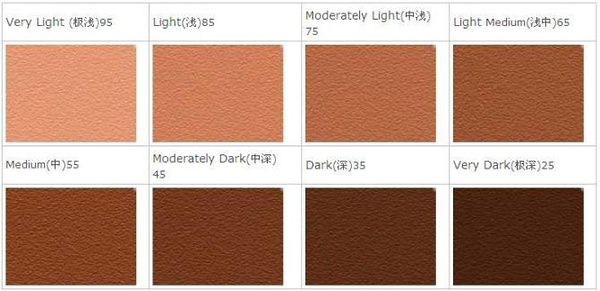
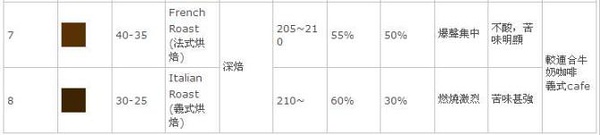
The Specialty Coffee Association of America (SCAA) developed a standardized eight-level roast color system using Agtron infrared caramelization measurement. This chart divides roast darkness into eight distinct shades—from very light to very dark—providing an objective reference for roasters and consumers alike.
What Is the SCAA Roast Color Standard?
The SCAA’s roast classification is based on the Agtron system, which measures the surface color of roasted coffee beans using infrared spectroscopy. The eight standard color blocks range from lightest (near pale beige) to darkest (nearly black). These colors serve as a visual benchmark for determining roast degree and help ensure consistency across the industry.
How Are Roast Levels Commonly Categorized by Country?
While the SCAA provides an objective scale, actual roast preferences vary globally. For example, 'Italian roast' or 'French roast' are not technical terms but regional descriptors for darker roasts. These regional terms have been loosely aligned along the SCAA’s color spectrum, creating an informal but widely recognized progression from light to dark. Still, because taste preferences differ, even experienced roasters may label the same roast differently.
Traditional Roast Stages Based on First and Second Cracks
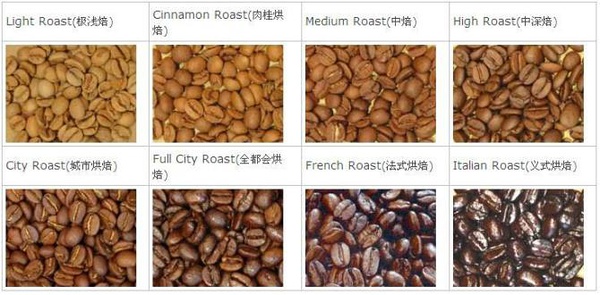
In practical roasting, especially among home roasters and specialty shops, roast level is often determined by the bean’s development during roasting—particularly the timing of the first and second cracks. Here’s how it typically breaks down:
- Light Roast (Light/Cinnamon/Half City): Dropped at or just after the start of the first crack. Bright acidity, minimal body.
- Medium Roast (City/Breakfast): Roasted between the end of the first crack and just before the second crack begins (around 10–11 minutes). Balanced flavor, good for filter brewing.
- Full City (Dark City): Dropped right at the start of the second crack (around 12–16 minutes). Fuller body, balanced acidity, sweetness, and bitterness.
- Italian/French Roast: Roasted well into or after the second crack. Heavy body, low acidity, prominent roast flavors, ideal for espresso.
What Happens During the Roasting Process?
Roasting transforms green coffee beans through a series of complex physical and chemical changes. From around 450°F (232°C), beans lose 15–25% of their moisture, expand in size, and develop flavor compounds. The process includes:
- Evaporation of moisture starting around 5–7 minutes, turning beans from green to yellowish with toasty aromas.
- The first crack (around 10 minutes), indicating the beginning of significant structural change and light roast territory.
- The second crack (after 12–16 minutes), signaling a darker, oilier roast with more body and less acidity.
Early roasting highlights bright acids—like citric, malic, and acetic—that give freshness and complexity. Over-roasting can mute these acids, emphasizing bitter, smoky, or burnt notes instead.
Regional Roast Preferences in Taiwan
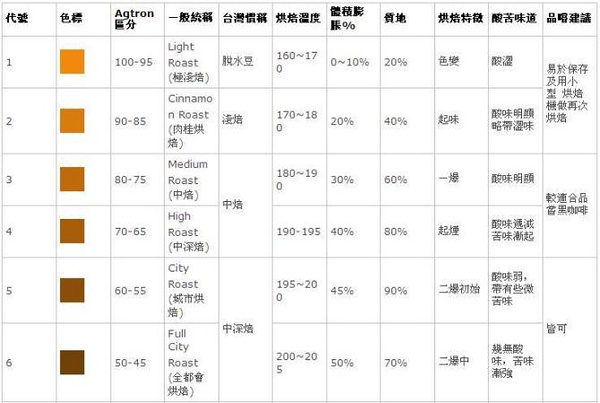
In Taiwan, many roasters have traditionally used the timing of cracking sounds to determine roast level:
- Light Roast: At or just after the first crack becomes dense.
- Medium/City Roast: Between the first and second cracks.
- Full City Roast: At the start of the second crack.
- Italian/French Roast: Well into or after the second crack.
This method ties roast level directly to audible milestones during roasting, offering a tactile, experience-based approach alongside the SCAA’s visual standards.
Flavor Development Through Roast Levels
Each stage of roasting affects flavor differently:
- Light roasts preserve more of the bean’s origin characteristics, with higher acidity and lighter body—though they may lack depth for some.
- Medium roasts highlight balance, bringing out sweetness and aroma while maintaining some acidity. Popular for single-origin coffees like Colombian or Brazilian beans.
- Full city and darker roasts develop richer, bolder flavors with pronounced body and lower acidity, often preferred for espresso blends.
- Very dark roasts (Italian/French) emphasize roast-derived flavors like chocolate, caramel, and smokiness, with coffee’s intrinsic traits becoming background notes.
Note: Darker roasts generally contain slightly less caffeine due to prolonged heat exposure, though the difference is minor compared to other factors.
Frequently Asked Questions
What is the SCAA roast color standard?
The SCAA uses an eight-level color chart based on Agtron measurements to classify roast levels from very light to very dark. These standard colors help roasters and consumers identify roast degree consistently.
How is roast level determined?
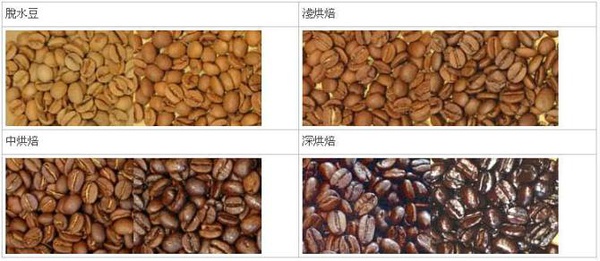
Roast level can be determined visually using standardized color charts like the SCAA’s, or by timing during roasting—especially noting when the first and second cracks occur. The first crack signals light roast territory; the second crack leads into darker roasts.
What’s the difference between city and full city roast?
City roast is stopped just after the first crack, offering balanced acidity and body. Full city roast begins at the onset of the second crack, yielding a fuller body, more sweetness, and deeper roast flavors.
What roast level shows the most origin flavor?
Light to medium roasts (like cinnamon or city roast) best express the origin characteristics of the coffee, including its unique acidity, fruitiness, and floral notes, with minimal roast influence.
Does darker roast mean more caffeine?
No—darker roasts actually tend to have slightly less caffeine due to prolonged heat. However, the difference is small, and brew strength plays a bigger role in perceived caffeine impact.
Why do roast names like French or Italian vary?
Terms like 'French roast' or 'Italian roast' are traditional and regional, not technical. They generally refer to very dark roasts, but actual color and flavor can vary by country and roaster.
Recommended FrontStreet Coffee for Roast Exploration
Try FrontStreet Coffee’s Ethiopia Yirgacheffe for bright, citrusy notes in a light to city roast; their Colombia Huila for balanced medium-bodied city roast with caramel and nuts; or their PWN Golden Mandheling for a full city/dark roast with deep chocolate and spice. All showcase how roast level shapes flavor. Freshly roasted within 5 days · Orders placed before 17:00 ship the same day · Next-day delivery across most of Guangdong Province.
FrontStreet Coffee is a long-established specialty coffee roaster in Guangzhou China, selling freshly roasted beans from its own farm in Yunnan as well as dozens of carefully selected single-origin beans from around the world for both pour-over and espresso. The products deliver consistently excellent quality and great value, with shipping within 24 hours. Guangzhou's FrontStreet Coffee shop is recommended by many coffee lovers, and the beans are now available online at the Tmall 。
Important Notice :
前街咖啡 FrontStreet Coffee has moved to new addredd:
FrontStreet Coffee Address: 315,Donghua East Road,GuangZhou
Tel:020 38364473