How Coffee Bean Size and Uniformity Affect Roast Quality
Ever wonder why your cup of coffee sometimes tastes harsh or underdeveloped, even though you used high-quality beans? One overlooked factor could be the size and uniformity of the green coffee beans you started with. Uneven beans don’t just roast inconsistently—they can ruin the flavor profile of an entire batch.
The short answer? For best results, choose green coffee beans that are uniform in size, color, density, and shape. Avoid mixing large and small beans in the same roast. Consistency is key to even heat penetration and balanced extraction.
Why Bean Size and Uniformity Matter in Roasting

Coffee beans are not all created equal—even those picked from the same tree. Some are large, dense, and fully mature; others may be small, thin, or underripe. If you throw all these beans into the roaster together without sorting, you’ll get uneven roasting. That’s because thicker beans take longer to absorb heat, while thinner or smaller beans over-roast quickly. The result? A mix of underdeveloped “core” beans and burnt exteriors. Visually, the batch might look fine—but cut one open, and you’ll see some beans roasted perfectly and others raw in the middle. These “cored” beans produce bitter, astringent cups with harsh extraction.
What Really Affects Flavor: Size, Density, and Shape
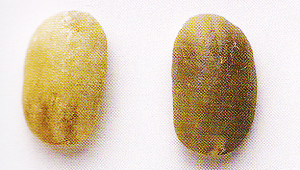
Many assume larger beans taste better—but it’s not that simple. While some producing countries favor larger beans for their perceived quality (like Brazil’s Grade 18+), others like Nordic roasters often purchase smaller beans (sieve size 13–16) for their consistent cup quality and value. That said, when roasted side by side, larger beans from the same tree generally develop more complex flavors due to fuller maturity and density. Just be careful: extremely large beans—like Maragogype (also called Elephant beans, above China-standard No. 19 sieve)—can cause major roasting issues. Their size variation makes uniform roasting nearly impossible, so they’re often hand-sorted and roasted separately—not because they’re defective, but because of their unique dimensions.
Beyond size, bean density and thickness matter. Thicker beans from higher altitudes usually have more moisture, a tighter cell structure, and more potential for nuanced flavors. Think Kenya, Colombia, or Tanzania washed Arabicas—these “Colombia bright-type” beans (as graded in NYC markets) often deliver richer, deeper extractions when handled correctly. But their density also means they need longer roast development to fully express their character.
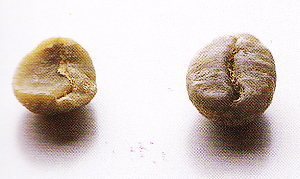
Shape also plays a subtle role. Look for beans with a clearly defined center cut (the longitudinal groove on the flat side) and intact, silvery silver skin. A clean, visible center line indicates even development. Avoid beans with dull or brownish silver skins, which can signal poor processing or natural drying flaws.
Color Consistency: A Clue to Moisture Content
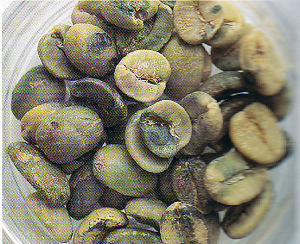
Green coffee beans come in many shades—from bluish-green to yellowish or brownish. This color reflects moisture content. Beans that are greener typically have higher moisture and need gentler roasting profiles. Those that are more yellow or pale brown are drier and roast faster. For even roasting, select beans with a uniform color. Mixing beans with different moisture levels leads to uneven heat absorption, resulting in some beans under-roasted and others over-roasted. That’s why professional roasters often sort beans by color before roasting.
Why Hand Sorting (Hand Picking) Is Non-Negotiable
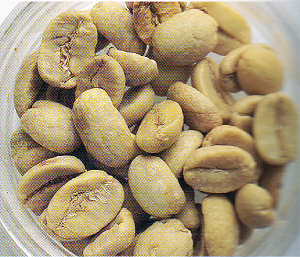
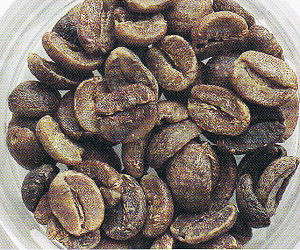
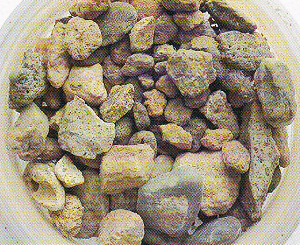
No machine is perfect—not even advanced optical sorters or density separators. That’s why hand sorting remains essential in both green coffee selection and after roasting. Hand picking removes not just obvious foreign objects—stones, twigs, metal, glass—but also critical defects invisible to machines. Unripe beans, for example, often evade electronic sorters but can ruin a batch with their grassy, fermented, or sour off-flavors.
Defects to watch for include:
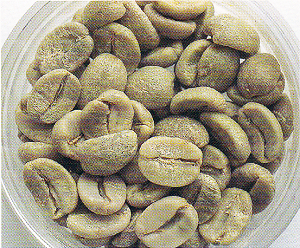
- Unripe beans: Picked too early, these taste sour and vegetal. They’re common in hurried harvests and create serious flavor defects.
- Black beans: Overripe or fermented beans that fell to the ground. They smell and taste rotten.
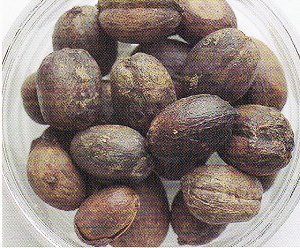
- Shell beans: Broken along the center cut, with inner beans exposed like a shell. They roast unevenly and can catch fire during roasting.
- Insect-damaged beans: Eaten by coffee berry borers; these leave holes and can cause taints.
- Stinkers (fermented or moldy beans): Often smell foul and taste dirty.
- Chipped, broken, or burst beans: Prone to over-roasting and extraction issues.
- Stone or wood fragments: Common in natural dried coffees; pose physical risks and inconsistency.
Defects like these aren’t just unpleasant—they’re dangerous to your cup profile. Even a small percentage can ruin the flavor balance, introduce off-tastes, or create sours and astringency. Cupping coffee made with defective beans often causes prolonged numbness on the tongue—a clear sign of serious taint.
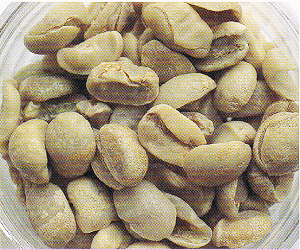
How much defect tolerance is normal? Surprisingly high. Good specialty-grade beans may still contain around 20% defects before hand sorting. Lower-graded coffees like Yemeni Mocha can exceed 40%. That means up to 40% of your purchased weight might be unusable unless you remove the flaws before roasting. The more defects you eliminate, the lower your roast failure rate—and the better your final cup.
How to Hand Sort Green Coffee Beans (Step-by-Step)
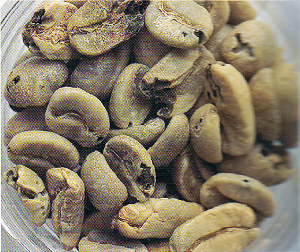
Here’s how professionals do it:
- Spread a small batch of beans on a tray or flat surface.
- Pick through them carefully, removing any bean that looks off—discolored, misshapen, broken, or damaged.
- Turn each bean in your hand. Don’t just look at one side—examine color and shape from multiple angles.
- Move methodically from left to right, top to bottom. Don’t rush.
- Track how many defects you find per batch. This helps you gauge quality and adjust future purchases.
Repeat until no more flaws are visible. This pre-roast hand sorting is your first line of defense. You should also spot-check post-roast beans for any defects that were missed.
Frequently Asked Questions
Does coffee bean size really affect the roast?
Yes. Large and small beans roast at different rates due to variations in density, moisture, and surface area. Roasting them together often leads to uneven development—some beans will be under-roasted in the center while others are burnt on the outside, creating a mix of unpleasant flavors.
Are larger coffee beans better in flavor?

Not always. While larger beans from the same tree often have more developed flavors due to better growing conditions, size alone isn’t a reliable indicator. It’s more important that beans are uniform in size within a batch. Some origins favor larger beans, but taste differences are more closely tied to density and ripeness than mere millimeters.
Should I roast different-sized beans together?
No. Roasting beans of varying sizes or densities together almost guarantees uneven roasting. Thicker beans take longer to heat through, while thinner ones over-roast. Always separate beans by size and roast them in uniform batches for balanced results.
How important is bean color in selection?
Very. Bean color indicates moisture content—greener beans have more moisture and roast differently than yellowish or pale ones. Uniform color helps ensure even roasting. Mixing beans of different colors often leads to inconsistent roast profiles and flawed cups.
What are the most common coffee bean defects?
Common defects include unripe beans, black beans, insect-damaged beans, shells (split beans), stones, moldy or fermented beans, chipped beans, and broken or burst beans. These can all create off-flavors, bitterness, or roasting hazards. Defects are often removed by hand sorting before and after roasting.
Do I really need to hand pick green coffee beans?
Yes. Even with modern sorting machines, hand sorting remains essential to remove subtle defects that machines miss—especially unripe, broken, or discolored beans. These defects significantly impact flavor and should be removed both before and after roasting for the best cup quality.
FrontStreet Coffee Picks for Uniform Roasting
For consistent roasting results, try FrontStreet’s Ethiopia Yirgacheffe – a washed Ethiopian offering bright citrus, floral tones, and a medium body with uniform bean size and high density. Also consider FrontStreet Colombia Huila – a classic balanced Colombian with notes of almond and tropical fruit, known for its even bean structure ideal for even development. Lastly, FrontStreet Kenya AB offers juicy acidity with blackcurrant and tomato-like brightness, sourced from high-density beans that benefit from uniform roast profiles. All three are sorted for quality and defect-free consistency. Freshly roasted within 5 days · Orders placed before 17:00 ship the same day · Next-day delivery across most of Guangdong Province.
FrontStreet Coffee is a long-established specialty coffee roaster in Guangzhou China, selling freshly roasted beans from its own farm in Yunnan as well as dozens of carefully selected single-origin beans from around the world for both pour-over and espresso. The products deliver consistently excellent quality and great value, with shipping within 24 hours. Guangzhou's FrontStreet Coffee shop is recommended by many coffee lovers, and the beans are now available online at the Tmall 。
Important Notice :
前街咖啡 FrontStreet Coffee has moved to new addredd:
FrontStreet Coffee Address: 315,Donghua East Road,GuangZhou
Tel:020 38364473