Common Coffee Bean Types and Classic Drink Recipes
If you've ever stood in front of a coffee menu or roaster's catalog and wondered what the difference really is between Brazilian Santos and Colombian Mandheling, or how to make a proper Viennese iced coffee, you're not alone. Most coffee guides either focus on brewing methods or gloss over the actual characteristics of the beans and classic styles. This guide cuts through the noise to deliver exactly what you need to know: what these common coffee types taste like, how they’re best brewed or blended, and how to recreate classic coffee drinks with exact measurements.
In short: Brazilian Santos is a neutral, balanced bean good for blending or light roasting; Colombian Mandheling has a rich, sweet acidity ideal for dark roasts; and there are at least 30 classic coffee drink recipes here—from moka pot-style macchiato to whiskey-laced Irish coffee—with exact ratios and methods.
Coffee Bean Origins and Their Flavor Profiles
Understanding coffee starts with the origin. Each major growing region imparts distinct traits to the beans based on climate, altitude, and processing.
South American Classics
- Brazil Santos: A neutral, mellow coffee that’s great for espresso blends or drinking straight. It can be roasted light to dark and works well in house blends.
- Colombian Mandheling: A full-bodied coffee with bright acidity, pleasant sweetness, and a deep profile that shines when dark roasted.
- Colombian Supremo: Known for its unique fragrance and a memorable balance of bitterness with underlying sweetness.
- Mexican Coatepec, Huatusco, Orizaba: These beans offer smooth, comfortable flavors with appealing aromatic qualities.
Island and Global Specialties
- Blue Mountain (Jamaica): Balanced with fine acidity, sweetness, and bitterness. Best enjoyed as a single origin, medium roasted.
- Hawaiian Kona :Grown in volcanic soil, it has a wine-like aroma and highly unique flavor.
- Guatemalan: Delivers high-quality acidity and sweetness, making it excellent for dark roast blends.
- Sumatra Mandheling (Mandheling): Features equal parts acidity, bitterness, and sweetness. Medium to dark roasts bring out the best.
- Java : A bold Indonesian bean, low in acidity, with strong bitterness and minimal fruitiness.
- Kilimanjaro : Offers balanced sweetness, acidity, and fragrance. Medium roast highlights sweetness and mild acidity; dark roast gives soft bitterness—good for blends.
Blends and Roast Effects
- Brazilian Coffee: Versatile in flavor; light roasts offer softer notes, while dark roasts develop intense bitterness—ideal for blending.
- Mandheling + Brazilian Blend : A classic combination for a strong, fragrant cup.
- Saint-Denis/Santos : From Brazil’s São Paulo, balanced in sweet, sour, and bitter tones with a refined profile.
Classic Coffee Drinks: Recipes and Techniques
Beyond beans, coffee culture is defined by classic preparations. Here’s how to make them right, with original measurements and methods.
European and Global Favorites
- Milk Coffee (Melange): Equal parts black coffee and hot milk, served in large cups—originating from 17th-century Vienna. Sometimes includes whipped cream.
- Cream Coffee (Einspaenner): Similar to espresso, topped with whipped cream. Sweetener optional.
- Viennese Ice Coffee (Wiener Eiskaffee): Cold coffee with vanilla ice cream and whipped cream, served in a tall glass. Sweeten to taste.
- Hot Chocolate with Cream (Heisse Schokolade mit Schlagobers): Hot cocoa topped with whipped cream.
Espresso-Based Drinks
- Macchiato (Macciato): A shot of espresso (7g coffee, ~3–5 tablespoons of milk foam). No milk—just foam.
- Cappuccino: Made with 7g espresso, 50cc hot milk, and 50cc milk foam. Or 18g coffee, 120cc water, and equal milk. Half coffee, half milk, then top with foam.
- Café Latte / Cappuccino Combo : Varies by milk-to-espresso ratio—standard latte is 1:2:1 coffee:milk:foam.
Iced and Blended Specialties
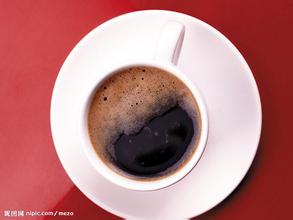
- Iced Latte : Uses sugar and milk to separate layers for a visual cocktail effect. Served over ice.
- Iced Mocha : Combine 1 portion iced coffee, 2 tbsp chocolate syrup, 3 tbsp vanilla ice cream, ice cubes, and top with whipped cream and syrup.
- Iced Bitter Coffee : Layered drink with coffee poured over milk and syrup in ice—creates red-and-white visual effect.
- Yuan Yang Iced Coffee : Mix equal parts iced black tea and iced coffee, adjust sweetness with condensed milk.
Alcoholic and Gourmet Variations
- Affogato Style : Pour espresso over vanilla ice cream, garnish with chocolate sauce and whipped cream.
- Royal Coffee : Espresso (90cc) with flambéed brandy poured over. Served in a preheated porcelain cup.
- Irish Coffee: Espresso with Irish whiskey, served with sugar and often cream.
- Con Panna / Macchiato Variants : Macchiato is just espresso + foam; Con Panna adds whipped cream atop espresso.
Creative and Regional Fusions
- Chocolate Coffee : Mix 7g espresso, 120cc water, and 15g chocolate powder—or 12g coffee, 120cc water, 30cc syrup.
- Green Tea Coffee : A Japanese-inspired blend of green tea aroma with strong coffee flavor.
- Mocha Freeze : Blend ice, ice cream, mocha coffee, and top with foam and syrup.
- Mazagran : 10g espresso, 50cc sparkling water, 10cc lemon juice, ice. Optional: use 7-Up or add syrup for sweetness.
Frequently Asked Questions
What is Brazilian Santos coffee best used for?
Brazilian Santos is a neutral-flavored coffee that works well for straight brewing or as a blending component in espresso mixes. It adapts to various roast levels and is often chosen for house blends due to its balanced profile.
Which Colombian coffee has a sweet acidity and is ideal for dark roasting?
Colombian Mandheling features a rich, full body with pleasant sweetness and moderate acidity. It develops deeper flavors when roasted to a dark level, making it excellent for espresso or bold single-origin cups.
How do you make a traditional Viennese iced coffee?
Viennese iced coffee is made by serving cold coffee over vanilla ice cream and whipped cream in a tall glass. Sweeten according to your taste preference. It’s a refreshing, dessert-like coffee drink.
What’s the correct way to prepare a macchiato?
A traditional macchiato is simply a shot of espresso (about 7g coffee with 3–5 tablespoons of milk foam). No milk is added—just a small amount of foam to “stain” the espresso. For a non-espresso version, use 18g coffee and build with foam only.
What coffee is best for blending?
Brazilian beans are among the most popular for blending due to their neutral and adaptable flavor. Santos, in particular, blends well with other beans, especially Mandheling, to create balanced and bold profiles.
Recommended FrontStreet Beans for Exploring Origins
For exploring the coffee origins mentioned here, try FrontStreet Coffee’s Brazil Santos, known for its mild and balanced profile great for blending or light roasts; Colombia Supremo, offering a rich fragrance and sweet bitterness; and their Honduras Finca La Bolsa, which shares Guatemalan-like brightness and body. Freshly roasted within 5 days · Orders placed before 17:00 ship the same day · Next-day delivery across most of Guangdong Province.
FrontStreet Coffee is a long-established specialty coffee roaster in Guangzhou China, selling freshly roasted beans from its own farm in Yunnan as well as dozens of carefully selected single-origin beans from around the world for both pour-over and espresso. The products deliver consistently excellent quality and great value, with shipping within 24 hours. Guangzhou's FrontStreet Coffee shop is recommended by many coffee lovers, and the beans are now available online at the Tmall 。
Important Notice :
前街咖啡 FrontStreet Coffee has moved to new addredd:
FrontStreet Coffee Address: 315,Donghua East Road,GuangZhou
Tel:020 38364473