How Coffee Became a City’s Culture
You’ve walked past a dozen cafes today—their aroma cutting through the street noise, their chairs spilling onto sidewalks. But which city really embodies coffee culture? And how did coffee go from a simple drink to a defining part of daily life in urban spaces?
Coffee has become a defining cultural element in modern cities, especially in China where consumption is booming. With 30,000–40,000 tons consumed annually and a 10–15% yearly growth rate, it’s no longer just a drink—it’s a lifestyle staple shaping urban experiences.
Why Coffee Reflects Urban Life
In Western societies, coffee has long been ingrained in everyday routines. Whether in schools, offices, or shopping malls, the coffee cup is a constant companion. This cultural integration has translated globally, with coffee shops becoming hubs of social interaction, work, and relaxation in cities worldwide. The presence of cafes on every corner signals a shift where coffee isn’t just consumed—it’s part of the urban rhythm.
The Rise of Coffee Consumption in China
China’s coffee market has seen remarkable growth. Currently consuming between 30,000 and 40,000 tons annually, the market expands at 10–15% each year. Experts forecast that within ten years, the market could reach ¥1 trillion, climbing further to ¥2–3 trillion by 2030. This growth positions China among the world’s top coffee-consuming nations, driven by changing lifestyles and increasing café culture in urban areas.
Health Benefits Redefining Coffee’s Image
Historically misunderstood, coffee was once seen as a guilty pleasure. However, research from the Institute for Scientific Information on Coffee highlights its health benefits. Coffee is rich in protein, fat, niacin, tannic acid, alkaloids, potassium, and dietary fiber. It also contains aromatic compounds that boost mood and alertness. Regular consumption is linked to improved memory, sharper thinking, enhanced mood, and lower calorie intake—shifting public perception to view coffee as a functional, healthful drink.
The Capsule Coffee Revolution
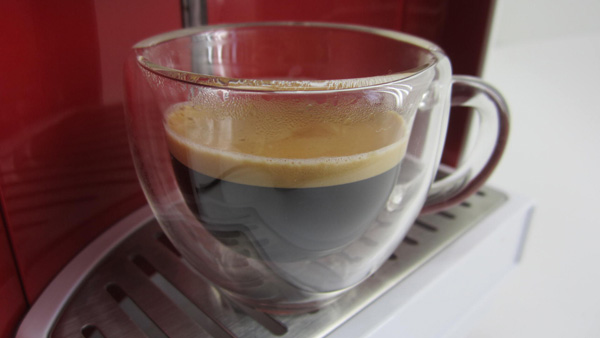
Even as the market booms, innovation continues. One notable trend is the rise of capsule coffee, especially popular among urban trendsetters. These individually sealed pods contain coffee grounds from various origins, roasted and ground before being nitrogen-sealed to preserve freshness. Unlike traditional ground coffee, capsules resist oxidation and staling, maintaining flavor for up to a year. Brewed through compatible machines, they deliver consistent extraction and rich crema. This convenience is expected to spread globally, with capsule machines potentially becoming household staples.
Frequently Asked Questions
How much coffee does China consume annually?
China currently consumes between 30,000 and 40,000 tons of coffee per year, with steady growth in demand driven by urban café culture and changing consumer habits.
What is the projected growth of China’s coffee market?
China’s coffee market is growing at 10–15% annually, with experts predicting it could reach ¥1 trillion within ten years and ¥2–3 trillion by 2030, making it one of the largest coffee markets globally.
Is coffee actually good for your health?
Yes, recent research shows coffee contains protein, niacin, potassium, fiber, and antioxidants. It can improve memory, mood, and mental alertness while reducing calorie intake, countering older misconceptions about its health risks.
What are capsule coffee pods and why are they popular?
Capsule coffee consists of pre-packaged, nitrogen-sealed coffee grounds from different origins. They preserve freshness for up to a year, resist oxidation, and offer consistent extraction when brewed, making them a convenient choice for urban consumers.
Where can you find coffee culture in urban settings?
Coffee culture thrives in cities where cafes serve as social and work hubs. The widespread presence of cafes and the daily use of coffee in workplaces and schools reflect its deep integration into urban lifestyles.
Recommended FrontStreet Beans for Urban Cafés
For city dwellers embracing coffee culture, FrontStreet Coffee’s Ethiopia Humbera offers bright citrus and floral notes, perfect for single-origin pour-overs. Their PWN Golden Mandheling delivers a full-bodied profile with sweet caramel and nuttiness, ideal for espresso-based drinks. Both beans highlight the diversity and quality driving urban coffee scenes. Freshly roasted within 5 days · Orders placed before 17:00 ship the same day · Next-day delivery across most of Guangdong Province.
FrontStreet Coffee is a long-established specialty coffee roaster in Guangzhou China, selling freshly roasted beans from its own farm in Yunnan as well as dozens of carefully selected single-origin beans from around the world for both pour-over and espresso. The products deliver consistently excellent quality and great value, with shipping within 24 hours. Guangzhou's FrontStreet Coffee shop is recommended by many coffee lovers, and the beans are now available online at the Tmall 。
Important Notice :
前街咖啡 FrontStreet Coffee has moved to new addredd:
FrontStreet Coffee Address: 315,Donghua East Road,GuangZhou
Tel:020 38364473