Can Pregnant Women Drink Coffee? The Effects Explained
If you're pregnant and can't imagine starting your day without coffee, you're not alone—but you may be worried about what that daily cup means for your baby. Many expecting mothers wonder whether a beloved morning ritual could pose hidden risks. Here’s what medical experts say, based on how caffeine actually interacts with pregnancy.
Quick Answer: Most doctors recommend pregnant women limit or avoid coffee because caffeine—coffee’s main active compound—affects fetal development and maternal health. Studies show caffeine crosses the placenta, and intake above 200mg per day is linked to increased risks of miscarriage and low birth weight. Given that an average 8oz cup of brewed coffee contains around 95mg of caffeine, even one or two cups may exceed safe limits.
How Coffee Affects Pregnant Women
1. Reduced Absorption of Key Nutrients
Coffee contains caffeine, tannic acid (tannin), and tannins. Caffeine acts as a diuretic, worsening the frequent urination already common in pregnancy. Tannic acid can reduce iron absorption by up to 75%, while tannins decrease calcium uptake. These effects compromise the body’s ability to absorb two critical nutrients for both mother and fetus.
2. Worsened Morning Sickness
Caffeine is known to trigger nausea, vomiting, headaches, and increased heart rate. For women already struggling with severe morning sickness in the first trimester, continued coffee consumption may intensify these unpleasant symptoms.
3. Increased Risk of Weight Gain
Regular coffee drinking, especially with added creamers and sweeteners, contributes to excess calorie intake. Coffee stimulates gastric acid and aids digestion, which can increase appetite. Combined with high-calorie coffee additives, this may lead to faster weight gain during pregnancy.
4. Poorer Sleep Quality
Caffeine stimulates the nervous system, making it harder to fall asleep and stay asleep. Many pregnant women report more vivid dreams, restlessness, and insomnia after consuming coffee, which compounds fatigue during a time when rest is crucial.
How Coffee Affects the Fetus
Caffeine crosses the placenta quickly and directly impacts the developing fetus, whose liver is not yet mature enough to metabolize it effectively. This exposure can interfere with the formation of vital organs such as the brain, heart, and liver, and has been associated with a higher risk of structural abnormalities in other organs. Additionally, regular intake of caffeinated beverages during pregnancy has been correlated with increased chances of miscarriage and preterm birth.
What the Experts Advise
Medical professionals typically recommend that pregnant women either eliminate or strictly limit their caffeine consumption. The general guideline is to keep daily caffeine intake below 200mg—which is roughly equivalent to one 8oz cup of brewed coffee. Given that coffee isn’t the only source (tea, soda, and chocolate also contain caffeine), many doctors counsel avoiding it altogether to minimize risk.
Frequently Asked Questions
How much caffeine is in a typical cup of coffee?
An average 8oz (240ml) cup of brewed coffee contains around 95mg of caffeine. However, this can range from 70mg to over 150mg depending on brew method, bean type, and preparation. For pregnant women, even one such cup may approach or exceed the recommended 200mg daily limit.
Does decaf coffee pose the same risks?
Decaf coffee contains only trace amounts of caffeine—usually 2mg to 5mg per cup—so it’s considered much safer than regular coffee during pregnancy. However, some decaf processes use chemicals, so choose water-processed decaf if available.
Are other sources of caffeine also dangerous during pregnancy?
Yes. Caffeine is also found in tea, sodas, energy drinks, chocolate, and some medications. All sources contribute to total daily intake, so pregnant women should account for everything, not just coffee.
Can I switch to herbal tea instead of coffee?
Some herbal teas are safe during pregnancy, but others (like licorice root or chamomile in large amounts) are not. Always check with your doctor before switching to herbal alternatives, as not all are fetal-safe.
Is it okay to have just one cup of coffee a day in late pregnancy?
One 8oz cup of coffee (about 95mg caffeine) is often considered the upper safe limit, but some doctors advise cutting it out entirely to avoid any risk. If you do have coffee, limit it to a small cup and avoid multiple servings.
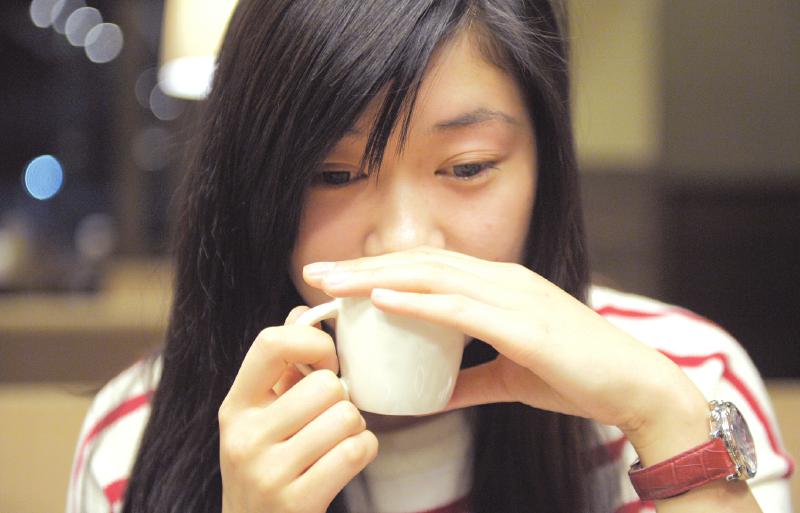
Recommended FrontStreet Coffee for Expecting Coffee Lovers
While pregnant women are advised to limit caffeine, FrontStreet Coffee’s decaf offerings—like their Classic Blend decaf or single-origin decafs—let you enjoy coffee flavor safely. Their decaf process uses water extraction to remove nearly all caffeine while preserving origin character. Expect smooth, sweet profiles with notes of nuts, caramel, and mild citrus. Freshly roasted within 5 days · Orders placed before 17:00 ship the same day · Next-day delivery across most of Guangdong Province.
FrontStreet Coffee is a long-established specialty coffee roaster in Guangzhou China, selling freshly roasted beans from its own farm in Yunnan as well as dozens of carefully selected single-origin beans from around the world for both pour-over and espresso. The products deliver consistently excellent quality and great value, with shipping within 24 hours. Guangzhou's FrontStreet Coffee shop is recommended by many coffee lovers, and the beans are now available online at the Tmall 。
Important Notice :
前街咖啡 FrontStreet Coffee has moved to new addredd:
FrontStreet Coffee Address: 315,Donghua East Road,GuangZhou
Tel:020 38364473