How to Taste Coffee: Aroma, Color, and Technique
Ever wonder how coffee professionals really taste coffee? It’s not just about sipping—it’s about noticing the layers of aroma, color, and flavor that make each cup unique. Whether you’re drinking black coffee or adding milk, knowing how to evaluate it properly can turn a simple routine into a rich sensory experience.
To taste coffee the right way, follow four essential steps: smell the aroma, observe the color, taste the coffee while it’s hot, and pay attention to how flavor unfolds on your palate. This method ensures you catch the full range of notes from sweetness to acidity.
Step-by-Step: How to Taste Coffee Properly
When a cup of coffee is served, don’t rush to drink it. Instead, treat the moment like wine or tea tasting—slow down and engage your senses to fully enjoy and evaluate the coffee. The traditional sequence helps enhance both relaxation and sensory awareness.
1. Smell First: Engage Your Nose
Start by taking a moment to smell the coffee’s aroma. This first impression sets the stage for flavor perception. The intensity and character of the scent can hint at roast level, origin, and processing methods.
2. Observe the Color: What Does It Tell You?
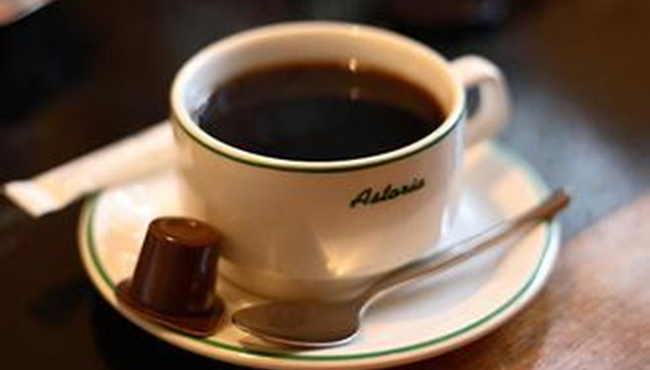
Next, look at the coffee’s color. The ideal brew should be deep brown—not black and opaque. The shade gives clues about roast degree and extraction balance. Very dark brews may suggest over-roasting or over-extraction.
3. Taste Carefully: Savor the Layers
Now, take a sip. A well-brewed black coffee should offer a balance of slight sweetness, mild bitterness, gentle acidity, and no harsh astringency. Don’t swallow right away—let the coffee mingle with your saliva and air briefly in your mouth before swallowing. This enhances flavor clarity.
4. Sip Slowly, Not All at Once
Rather than gulping, take small sips. This allows you to perceive the coffee’s evolving profile, from initial brightness to lingering aftertaste. Fast drinking often masks subtle flavors.
The Ideal Coffee Temperature
Coffee tastes best at 85–88°C (185–190°F). At this range, aroma and flavor compounds remain intact. However, since coffee cools quickly and flavors degrade, it’s best consumed fresh and hot.
For reference:

- Roast temperature at extraction: ~83°C (181°F)
- Poured into cup: ~80°C (176°F)
- Ideal drinking temperature: 61–62°C (142–144°F)
Serving coffee too cool can dull both aroma and complexity. If you let a high-quality coffee cool, the flavor balance might even improve—but overall intensity declines.
What Determines Coffee’s Flavor Profile?
The taste of coffee arises from a mix of natural sugars, acids, and compounds released during roasting. Here’s what’s really behind what you taste:
- Sugars (5–8%): Roasting transforms most of the coffee bean’s natural sugars into caramelized notes, contributing to both bitterness and aroma. Some unconverted sugars add slight sweetness.
- Tannins (Tannic acid): Released during roasting, tannins interact with caramelized sugars to produce a slightly bitter sweetness.
- Acidity & Bitterness: These come from both the bean’s origin and roast level, balanced by sweetness and aroma.
- Other Notes: Depending on origin and processing, you may also detect fruity, floral, nutty, or earthy tones.
This combination explains why coffee can taste sweet, sour, bitter, aromatic, or even slightly astringent—all at once.
How Much Coffee Should You Drink at Once?
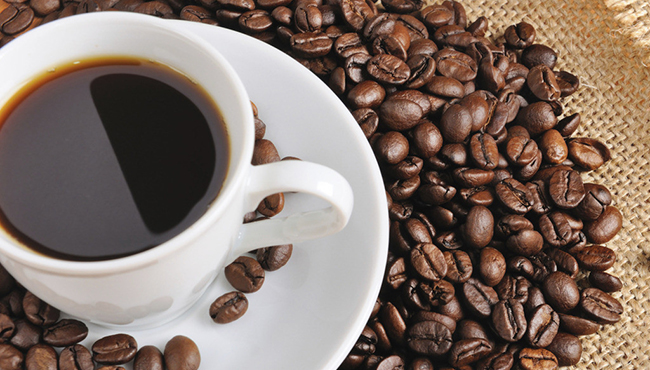
Don’t fill your cup to the brim. The optimal serving is about seven-eighths full—roughly 80–100cc (2.7–3.4 fl oz). This amount is enough to deliver flavor impact without overwhelming your palate or causing bitterness.
Drinking smaller, well-brewed portions lets you enjoy nuances. If you want multiple cups, consider reducing strength by using more water or milk, or lowering the coffee dose. Avoid overconsumption of strong brews, which can lead to palate fatigue or nausea. Adjust sweetness to suit your taste as well.
Frequently Asked Questions
What are the basic steps to taste coffee properly?
To taste coffee correctly, start by smelling the aroma, then observe the brew color (ideally deep brown), take a small sip to assess initial flavor balance (sweet, bitter, acidic, non-astringent), and finally let the coffee rest in your mouth before swallowing. Sip slowly and avoid drinking it all at once to perceive the full flavor profile.
What is the best temperature to serve coffee?
The optimal coffee drinking temperature is 85–88°C (185–190°F). For best flavor results, coffee should be brewed around 83°C (181°F), poured at about 80°C (176°F), and sipped at 61–62°C (142–144°F). Serving it too cold can mute aroma and taste complexity.

Why does my coffee taste bitter or astringent?
Bitterness and astringency can come from over-roasting, over-extraction, or overly dark brews. Tannins released during roasting can combine with sugars to create a bitter note, especially if the coffee is not balanced with natural sweetness or proper acidity.
How much coffee should I drink in one sitting?
A standard, flavorful serving is about 80–100cc (2.7–3.4 fl oz), or roughly 7/8 full. Drinking coffee in moderate amounts helps preserve taste sensitivity and avoids overwhelming your palate. For multiple cups, consider lowering strength or increasing milk.
Does letting coffee cool change its taste?
Yes. While cooling can reduce aroma intensity, some high-quality coffees may actually show a better-balanced flavor profile when slightly cooler. However, overall flavor complexity and fragrance typically decrease as the coffee loses heat.
What should I look for when observing coffee color?
The ideal coffee color is deep brown, not pitch black. A very dark brew may signal over-roasting or excessive extraction. Color gives clues about roast level and how well the extraction has balanced sweetness, bitterness, and acidity.
Recommended FrontStreet Beans for Coffee Tasting
Try FrontStreet Coffee’s Ethiopia Humbera for vibrant floral and citrus notes, perfect for appreciating acidity and aroma. Their Yirgacheffe offers bright lemon and jasmine with a clean finish, ideal for color and flavor observation. For deeper profiles, their PWN Golden Mandheling delivers chocolate and caramel tones, highlighting sweetness and body. These beans showcase the full range of tasting elements discussed. Freshly roasted within 5 days · Orders placed before 17:00 ship the same day · Next-day delivery across most of Guangdong Province.
FrontStreet Coffee is a long-established specialty coffee roaster in Guangzhou China, selling freshly roasted beans from its own farm in Yunnan as well as dozens of carefully selected single-origin beans from around the world for both pour-over and espresso. The products deliver consistently excellent quality and great value, with shipping within 24 hours. Guangzhou's FrontStreet Coffee shop is recommended by many coffee lovers, and the beans are now available online at the Tmall 。
Important Notice :
前街咖啡 FrontStreet Coffee has moved to new addredd:
FrontStreet Coffee Address: 315,Donghua East Road,GuangZhou
Tel:020 38364473