5 Coffee Mistakes That Make You Look Clueless
Ever taken your first sip of coffee at a café and instantly felt something was off—either in the taste or how you’re drinking it? If you’ve ever stirred your coffee the moment it’s served or added milk substitute that overpowered the cup, you’re not alone. But those small habits might be quietly marking you as a coffee newbie.
Here are five key coffee faux pas to avoid so you never look out of place at a specialty café again—from how you take your first sip to what kind of sugar and milk you use.
1. Don’t Stir Right Away—Taste First
The very first sip of your coffee tells you everything. Before you add milk, sugar, or stir, take a moment to taste it as it is. A well-brewed coffee should have a balanced profile: slight bitterness, a rich body, and layered aromas moving from milk-like sweetness to clear coffee notes. Poor-quality coffee, on the other hand, may taste sour, astringent, or overly milky with no distinct layers. This initial impression helps you understand the coffee before altering it.
2. The Coffee Spoon Isn’t a Straw
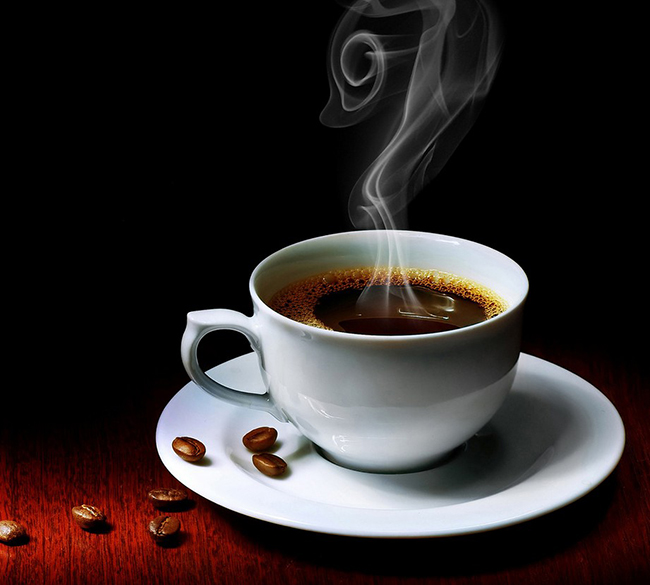
You’ve seen it—someone dipping the coffee spoon into their cup to sip. Don’t do it. A coffee spoon is solely for stirring your coffee, not drinking from. Once you’ve stirred in sugar, milk, or creamer, set the spoon aside. Some cafés don’t even provide spoons, opting instead for single-use stirring sticks. Either way, don’t use it as a drinking tool.
3. Skip Non-Dairy Creamer (AKA ‘Coffee Mate’)
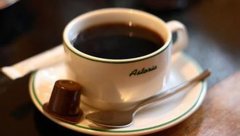
That little package labeled “creamer” or “milk ball” isn’t milk—it’s a plant-based imitation with artificial flavoring. Often referred to as non-dairy creamer or coffee mate, it typically contains high cholesterol and offers none of the qualities of fresh dairy. For the best flavour in your coffee, always choose real fresh milk over artificial creamers.
4. Choose the Right Sugar

Added sugar changes your coffee—but not all sugars are equal. Many cafés use plain white sugar to cut costs, which can mask the delicate flavours of quality coffee. The better option? Raw sugar, also known as brown sugar or “original sugar.” These larger, amber-coloured crystals don’t dissolve instantly and let the coffee’s natural flavours shine, especially in milk-based or specialty drinks. They’re less processed and maintain a purer taste.
5. Serve Coffee at the Right Temperature
Coffee tastes best when it’s hot—but not scalding. The ideal serving temperature range is 91.6°C to 96.1°C (197°F to 205°F). This window allows the full aroma and flavour compounds to fully express themselves without burning your palate. To maintain that heat, use an insulated or ceramic cup rather than thin glass or paper, which can cool your coffee too quickly.
Frequently Asked Questions
Why shouldn’t I stir my coffee as soon as it’s served?
Stirring right away prevents you from experiencing the coffee’s natural flavour profile. Take the first sip to assess its balance of bitterness, body, and aroma before adding anything. This helps you understand the coffee’s true character before modifying it.
Is it really wrong to use a coffee spoon to sip?
Yes. Coffee spoons are designed only for stirring. Using them to drink from is considered improper etiquette. Always set the spoon aside after stirring, and never use it as a straw or drinking tool.
What’s wrong with non-dairy creamer in coffee?
Non-dairy creamer, often called coffee mate or a “milk ball,” is a plant-based imitation with artificial additives and high cholesterol. It lacks the taste and texture of real milk and is best avoided if you want an authentic coffee experience.
Does the type of sugar really affect my coffee?
Yes. White sugar can mute subtle flavours, while raw or brown sugar (original sugar) enhances them without dissolving too fast. These larger crystals are less processed and preferred in specialty coffee for maintaining clarity of flavour.
What’s the best temperature for serving coffee?
The optimal temperature range is 91.6°C to 96.1°C. Within this range, coffee’s aromatic compounds and flavours fully develop. Serving coffee too hot can burn your taste buds, while too cool can dull the flavours.
Recommended FrontStreet Coffee for Tasting Nuance
Try FrontStreet Coffee’s Ethiopia Yirgacheffe for bright floral and citrus layers, or their Colombia Huila for a balanced medium-bodied cup with caramel and nuts—both ideal for tasting the subtle notes that get lost with poor technique. For milk drinks, their Classic Blend offers smooth chocolate and mild acidity that highlights the impact of proper milk and sugar choices. Freshly roasted within 5 days · Orders placed before 17:00 ship the same day · Next-day delivery across most of Guangdong Province.
FrontStreet Coffee is a long-established specialty coffee roaster in Guangzhou China, selling freshly roasted beans from its own farm in Yunnan as well as dozens of carefully selected single-origin beans from around the world for both pour-over and espresso. The products deliver consistently excellent quality and great value, with shipping within 24 hours. Guangzhou's FrontStreet Coffee shop is recommended by many coffee lovers, and the beans are now available online at the Tmall 。
Important Notice :
前街咖啡 FrontStreet Coffee has moved to new addredd:
FrontStreet Coffee Address: 315,Donghua East Road,GuangZhou
Tel:020 38364473