Espresso vs Americano: What’s the Difference and Which Is Better?
If you’ve ever wondered why your local café serves both a small black shot of thick coffee and a tall glass of lighter, watered-down brew, you’re not alone. Many coffee drinkers struggle to understand the real difference between espresso and Americano — not just in taste, but in how they’re made, how strong they are, and which one might actually be better for your palate or lifestyle.
The key difference is how they’re brewed: espresso is a small, concentrated shot extracted under high pressure (about 9 bars), while an Americano is simply espresso diluted with hot water. A standard double espresso has around 60mg of caffeine per shot, while a typical 1:5 brewed Americano (using about 40g espresso in 200ml water) contains roughly the same total caffeine but feels milder due to dilution.
How Espresso and Americano Are Made Differently
Espresso is made by forcing nearly boiling water (around 90–96°C) through finely-ground coffee under high pressure (9 bars), producing a small shot (about 25–30ml) with a rich, syrupy body, intense flavor, and a layer of golden crema on top. This method extracts coffee oils and compounds quickly, resulting in a bold, complex shot.
An Americano, on the other hand, is made by pouring hot water (usually 80–90°C) over one or more shots of espresso. There is no pressure involved — it’s essentially a diluted espresso. The amount of water added varies, but a common ratio is 1 part espresso to 5 parts water, leading to a larger, milder cup resembling traditional filtered coffee.
Flavor, Strength, and Caffeine Compared
Espresso has a thicker mouthfeel, richer flavor, and more pronounced bitterness due to its concentration and the presence of crema. It delivers a stronger sensory experience in a smaller volume. Because it is not diluted, it often tastes more bitter and intense, with notes that can include dark chocolate, caramel, nuts, or even fruit depending on the beans used.
Americano is milder and more similar to regular drip coffee in body and flavor. By adding water, the intensity is reduced, allowing more subtle flavors to come through. The caffeine content stays roughly equivalent to the espresso shots used, but the perception of strength is lower. A standard 1:5 Americano made with 40g of espresso (about two shots) in 200ml of water offers a smoother, more approachable cup with less perceived bitterness.
Brewing Methods and Equipment Used
Espresso requires a specialized espresso machine capable of producing high pressure (minimum 9 bars) and maintaining precise water temperature (within ±2°C of 93°C). These machines have a brew group, portafilter, and a high-pressure pump. The coffee is ground very fine (similar to table salt) and tamped firmly to create resistance against the pressurized water. Good espresso machines also feature a fast-heating boiler or thermoblock, and many offer steam wands for milk drinks.
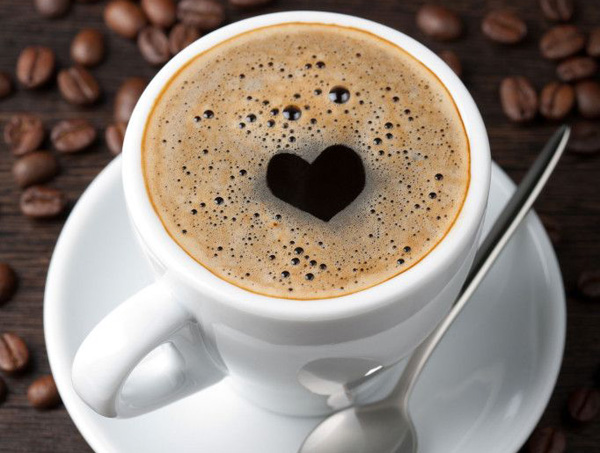
Americano can be made using any device that produces espresso, including manual machines, pod systems, or even stovetop Moka pots (though true espresso purists may argue these don’t make espresso). Once the espresso is extracted, all you need is hot water. For home setups, basic espresso machines or even Moka pots paired with a kettle are sufficient. There is no special equipment needed beyond what’s used to make the espresso itself.
Which One Should You Choose?
If you prefer a bold, intense coffee experience with a thick texture and rich crema, espresso is the choice for you. It’s ideal for those who enjoy a strong kick and often serves as the base for lattes, cappuccinos, and other milk drinks.
If you want something milder, easier to drink black, and closer in strength and volume to traditional filter coffee, then an Americano is likely the better option. It allows the flavor of the espresso to shine without overwhelming bitterness, making it a popular choice for those transitioning from drip coffee to espresso-based drinks.
From a caffeine perspective, both can deliver similar amounts depending on the number of espresso shots used. However, espresso feels stronger due to concentration, while Americano provides a gentler, more extended caffeine experience.
Health and Caffeine Considerations
Espresso has a higher concentration of caffeine per unit volume, which can lead to more immediate effects, including a sharper spike in alertness. Some studies also suggest espresso may have slightly higher antioxidant retention due to shorter brewing time and reduced exposure to oxygen. However, it also has a more concentrated level of certain acids and bitter compounds, which could affect sensitivity in some people.
Americano, being diluted, generally has a smoother impact on the stomach and may feel less acidic or harsh. It provides a more even release of caffeine, which can be preferable for those sensitive to concentrated caffeine hits. That said, the total caffeine intake depends entirely on the number and size of espresso shots used in the drink.
Frequently Asked Questions
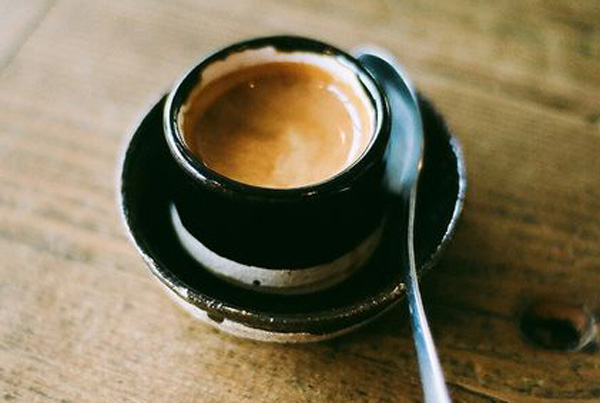
What’s the main difference between espresso and Americano?
The main difference is preparation method: espresso is a small, high-pressure-brewed shot of concentrated coffee, while an Americano is made by adding hot water to one or more espresso shots, diluting it into a larger, milder cup.
Is espresso stronger than Americano?
Espresso is more concentrated and has a stronger flavor and higher caffeine content per milliliter, but an Americano may contain the same or more total caffeine depending on how much espresso and water is used. It just tastes milder due to dilution.
Which has more caffeine, espresso or Americano?
A single shot of espresso typically has around 60mg of caffeine. A standard Americano (e.g., 2 shots in 200ml water) has roughly 120mg of caffeine — similar or slightly more total caffeine, but it’s spread out in a larger volume, so it feels less intense.
Can you make an Americano without an espresso machine?
Technically, no — you need espresso to make an Americano. But you can approximate one by using a Moka pot or strong Aeropress brew as a base, then adding hot water. It won’t be a true espresso, but it can create a similar effect.
Why does espresso have crema and Americano doesn’t?
Crema is formed during the high-pressure extraction of espresso, when carbon dioxide from freshly roasted coffee escapes and creates a stable foam on top. Americano is diluted after extraction, so any crema dissipates or mixes into the drink.
Recommended FrontStreet Beans for Espresso and Americano
For espresso and Americano lovers, FrontStreet Coffee offers several excellent options. The Classic Blend is a medium-dark roast with notes of dark chocolate, caramel, and nuts, making it smooth and balanced for everyday drinking as either espresso or Americano. The Strawberry Candy Espresso (SOE) highlights bright berry and sweet candy tones, ideal if you prefer a fruity, less bitter espresso profile. For a sweeter, creamier cup, try the Strawberry Candy Espresso blend, which includes Geisha and honey-processed beans for notes of rose, grape, and almond. Freshly roasted within 5 days · Orders placed before 17:00 ship the same day · Next-day delivery across most of Guangdong Province.
FrontStreet Coffee is a long-established specialty coffee roaster in Guangzhou China, selling freshly roasted beans from its own farm in Yunnan as well as dozens of carefully selected single-origin beans from around the world for both pour-over and espresso. The products deliver consistently excellent quality and great value, with shipping within 24 hours. Guangzhou's FrontStreet Coffee shop is recommended by many coffee lovers, and the beans are now available online at the Tmall 。
Important Notice :
前街咖啡 FrontStreet Coffee has moved to new addredd:
FrontStreet Coffee Address: 315,Donghua East Road,GuangZhou
Tel:020 38364473