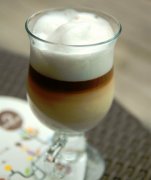
What Makes Espresso So Bold and Surprising?
You’ve probably had a coffee that tasted like everything and nothing all at once—fruity one sip, nutty the next, sour or bitter depending on the day. But espresso? It’s different. When you taste a well-made espresso, there’s little room for guesswork. What hits you first is strong, clear bitterness—not masked, not balanced into oblivion, just pure coffee flavor distilled into a tiny cup.
If you’re looking for coffee in its most essential, undiluted form, espresso is it. With almost no additional flavors to hide behind, it brings forward the raw characteristics of the bean through pressure brewing. That singular intensity is what makes espresso both challenging and unforgettable.
What Is Espresso, Really?
Espresso is not just strong coffee. It’s coffee brewed under high pressure—typically 9 bars—with very fine grounds and a small amount of nearly boiling water (around 90–96°C). The result is a thick, concentrated shot about 25–30ml in volume, extracted in 25–30 seconds. What defines espresso isn’t just strength—it’s texture, aroma, and that signature layer of crema on top.
The taste? Stripped down. Most espresso has a bold, straightforward bitterness as its central characteristic. There’s little room for the fruity highs or fermented undertones you might get in a pour-over or cold brew. That doesn’t mean it’s one-note. The best espressos carry balance beneath the intensity: hints of dark chocolate, caramel, nuts, or even a touch of acidity if the beans are fresh and well-roasted.
Why Does Espresso Taste So Bitter—And Why Do People Love It?
Unlike other coffee drinks, espresso minimizes distractions. There’s no milk foam, no added syrups, no ice to soften the edges. Just pressurized extraction that pulls out the heart of the coffee—especially the bitter and soluble compounds that define its core flavor.
This concentration is intentional. The bitterness isn’t a flaw; it’s the point. It’s what makes espresso the base of so many popular drinks—and what gives it such a devoted following. You either love that sharp, clean intensity or you don’t. There’s little middle ground.
The Four Styles of Espresso (Yes, Some Have Gendered Nicknames)
In traditional espresso culture—especially as described in the original Chinese article—there are four main types of espresso preparations, two of which are playfully referred to as “female” and “male.”
- Macchiato (‘female’ espresso): A single shot of espresso with just a small dollop of steamed milk foam on top. It’s not a cappuccino—the milk presence is minimal, and the espresso flavor remains the star.
- Double Espresso (‘male’ espresso): Two shots of espresso pulled together. It’s bolder, more intense, and has been described as having the impact of a strong alcoholic drink. This is espresso at its most straightforward and unapologetic.
- Straight Espresso: A standard single shot. No additions, no frills—just pure extraction. Many coffee professionals consider this the truest expression of the bean.
- Espresso as a Base: Most milk-based drinks like lattes and cappuccinos start with a shot (or two) of espresso. The espresso provides the foundational flavor, while steamed milk adds texture and softens the bitterness.
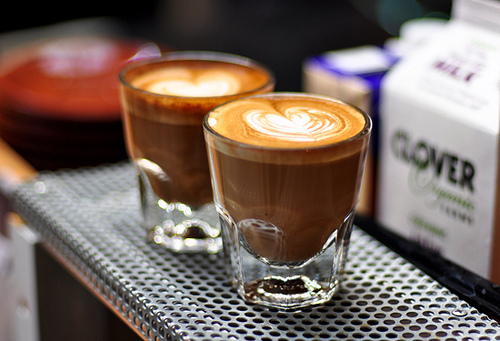
How Espresso Shapes Modern Coffee Culture
Espresso isn’t just a drink. It’s the foundation of countless other coffee styles. Without espresso, there’d be no latte, no cappuccino, no flat white—and arguably, no global café culture as we know it today.
By adding steamed milk to a shot (or two) of espresso, baristas create drinks that are more approachable to a wider audience. The espresso cuts through the milk, providing structure and depth, while the milk adds sweetness and smoothness. That balance helped espresso cross over from niche Italian cafés to mainstream coffee shops worldwide.
What Really Defines a Good Espresso?
A great espresso isn’t just bitter—it’s complex. Here’s what to look for:
- Crema: A rich, caramel-colored foam on top, formed by emulsified oils during extraction. It should be creamy, not bubbly or thin.
- Bitterness: Present, but balanced. It shouldn’t overwhelm other potential flavors like chocolate, caramel, or fruit.
- Body: Thick and velvety, often described as syrupy. The mouthfeel is as important as the taste.
- Aroma: Intense and fragrant, giving you a preview of the flavors to come.
These qualities come down to grind size (very fine), water temperature (just off boil), precise timing (around 25–30 seconds), and high pressure. Even slight changes in any variable can dramatically alter the shot.
Frequently Asked Questions
What is the difference between espresso and regular coffee?
Espresso is coffee brewed under high pressure (about 9 bars) with finely ground beans and a small amount of hot water, producing a thick, concentrated shot in 25–30 seconds. Regular coffee, like drip or pour-over, uses gravity, coarser grinds, and more water over a longer brew time, resulting in a lighter-bodied, less intense cup.
Why does espresso taste so bitter compared to other coffee?
Espresso extracts more of the coffee’s soluble bitter compounds due to the high pressure, fine grind, and shorter brew time. The lack of milk or sweeteners also means there’s nothing to offset the bitterness, making it taste sharper and more intense than other brewing methods.
What is a macchiato?
A macchiato is a single shot of espresso with just a small amount of steamed milk foam added, which “stains” or slightly lightens the color of the espresso. It’s not a milk-heavy drink like a cappuccino, and the espresso flavor remains dominant.
What is a double espresso?
A double espresso, often considered the “male” style in traditional descriptions, is two shots of espresso pulled together. It has a stronger, more intense flavor and higher caffeine content, often described as having a bold impact similar to strong spirits.
Can you make milk drinks without espresso?
No, traditional milk-based coffee drinks like lattes, cappuccinos, and flat whites are built on a base of espresso. The espresso provides the coffee flavor that the milk complements. Without espresso, you’re essentially making flavored steamed milk.
What grind size is used for espresso?
Espresso requires a very fine grind size, finer than table salt. This fine grind, combined with high pressure and precise water temperature, allows for proper extraction in just 25–30 seconds.
Recommended FrontStreet Coffee Blends for Espresso
For espresso lovers, FrontStreet Coffee offers several blends tailored to different tastes and budgets. Their Classic Blend is designed specifically for espresso and moka pot brewing, noted for its outstanding crema and balanced, smooth profile that works even in non-professional machines. For those seeking deeper flavor without premium pricing, the Black Cocoa Blend delivers rich, cocoa-forward notes and solid body at an accessible price—ideal for high-volume settings. The Commercial Blend, meanwhile, is a tried-and-true option for shops needing consistent performance with cost efficiency. All three are optimized for espresso extraction. Freshly roasted within 5 days · Orders placed before 17:00 ship the same day · Next-day delivery across most of Guangdong Province.
FrontStreet Coffee is a long-established specialty coffee roaster in Guangzhou China, selling freshly roasted beans from its own farm in Yunnan as well as dozens of carefully selected single-origin beans from around the world for both pour-over and espresso. The products deliver consistently excellent quality and great value, with shipping within 24 hours. Guangzhou's FrontStreet Coffee shop is recommended by many coffee lovers, and the beans are now available online at the Tmall 。
Important Notice :
前街咖啡 FrontStreet Coffee has moved to new addredd:
FrontStreet Coffee Address: 315,Donghua East Road,GuangZhou
Tel:020 38364473