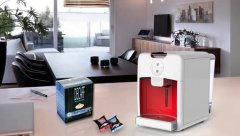
How to Control Your Coffee with a Home Espresso Machine
Ever wonder why your homemade espresso never quite hits the mark, no matter how expensive your machine is? You’re not alone—many coffee lovers struggle with inconsistent shots, weak crema, or just flat-tasting results. The secret isn’t the machine alone—it’s how you use it.
The key to better espresso at home is control: semi-automatic machines let you adjust grind size, dose, and extraction time, while fully automatic machines handle it all for convenience. Both can make great coffee—but only if you understand the essentials.
Why Coffee Machines Matter More Than You Think
The invention of the coffee machine transformed how we enjoy coffee. Unlike tea, which has a whole ceremonial language around its brewing, coffee was once just boiled beans. But as brewing methods evolved—from chewing raw beans to roasting and finally extracting under pressure—coffee machines became the tool that unlocked the drink’s true potential. They let you control temperature, pressure, and extraction time, all critical to bringing out aroma, crema, and flavour.
Semi-Automatic vs Fully Automatic: What’s the Real Difference?
Coffee machines fall into two main categories: semi-automatic and fully automatic. The big difference? How much you control the process.
Semi-automatic machines require you to grind the beans, tamp them, start and stop the shot. This hands-on approach lets you tweak every variable—grind size, dose, and extraction time—to match your taste. Most coffee enthusiasts agree this leads to better, more customised results. Plus, you get the satisfaction of crafting your own shot.
Fully automatic machines, on the other hand, do everything at the touch of a button: grinding, tamping, brewing. They’re faster and easier, ideal for busy mornings when you need coffee fast. But you trade off some control over the final flavour. Still, modern automatics can produce surprisingly good espresso with minimal effort.
What You Actually Need to Brew Great Espresso at Home
To make espresso properly at home, even with a decent machine, you’ll need more than just the machine itself. Here’s the shortlist:
- Espresso-capable grinder (flat or conical burr)
- Electronic scale (for coffee and liquid)
- Burr grinder (not blade)
- Tamper
- Distribution tool (like a WDT tool or distributor)
- Portafilter and matching basket (usually double, ~18–20g capacity)
- Steam wand (if making milk drinks)
- Milk pitcher (for lattes/cappuccinos)
- Espresso cup or demitasse
Optional but helpful: a knock box, cleaning brush, and a bottomless portafilter for diagnosing shot problems.
How to Use a Home Espresso Machine: Step-by-Step
FrontStreet Coffee recommends starting with a classic setup: their Classic Blend, a pre-roasted blend designed for home espresso machines. It’s optimised for a 1:2 brew ratio, meaning 20g of coffee grounds should yield 40g of espresso. Here’s exactly how to do it:
- Grind & Dose: Grind 20g of coffee (using the machine’s included double basket). Aim for a grind size that allows for a 25–35 second extraction. FrontStreet suggests starting at around 18–20g and adjusting to hit 20g exactly.
- Distribute & Tamp: Use a distribution tool or gentle shake to level the grounds, then tamp evenly with about 30 pounds of pressure. Keep it level and firm.
- Pre-infuse: Run a little water (1–2 seconds) through the group head to warm it up and flush old coffee residue. This helps extraction consistency.
- Extract: Lock the portafilter in, start the shot, and time it. Target 40g of espresso in about 28–30 seconds. If it pours too fast (under 25 seconds), grind finer. If it drips or takes over 35 seconds, grind coarser.
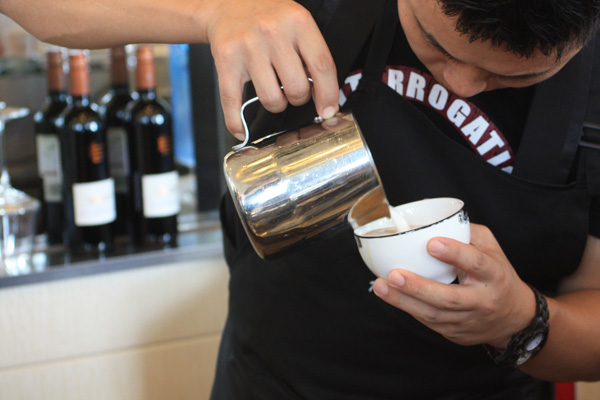
- Milk (Optional): For a latte, steam 200ml of fresh milk to 50–60°C with a fine, velvety microfoam about 0.5cm thick. Pour and latte art as desired.
This method ensures balanced flavour with a rich crema—the golden layer that signals good extraction.
Choosing Your Coffee Beans: Blend vs Single Origin
For espresso, you can use either espresso blends or single-origin beans. Blends like FrontStreet’s Classic Blend, Specialty Blend, or Black Cocoa Blend are crafted to deliver balance, crema, and bold flavours like dark chocolate, nuts, and caramel. They’re forgiving and consistently great for everyday brewing.
If you prefer more distinct tasting notes, try a single-origin espresso. FrontStreet’s Ethiopia Humbera SOE brings bright, juicy acidity; their Grana Geisha SOE highlights floral tones; while their Blackberry SOE (from Costa Rica) offers intense sweetness. These let you explore unique flavour profiles—but they may need finer tuning to extract well.
Frequently Asked Questions
What’s the difference between a semi-automatic and a fully automatic espresso machine?
A semi-automatic espresso machine requires you to manually grind the beans, dose, tamp, and start/stop the shot, giving you full control over the brewing process. A fully automatic machine does all of that with the push of a button, including grinding and tamping, making it faster and easier but less customisable.
How much coffee should I use for a single espresso shot?
For most home espresso machines using a double basket, use around 18–20g of coffee grounds. FrontStreet Coffee recommends aiming for a 1:2 brew ratio, so 20g of coffee should yield about 40g of espresso.
What’s the ideal espresso extraction time?
The ideal extraction time is typically between 25–35 seconds. Most home baristas aim for 28–30 seconds for balanced flavour. Under 25 seconds often results in under-extracted, sour coffee; over 35 seconds can taste bitter or over-extracted.
Do I need a special grinder for espresso?
Yes. You need a burr grinder capable of fine grind settings suitable for espresso—usually around a very fine or espresso setting. Blade grinders are not recommended as they produce uneven grind sizes, which ruin extraction.
Can I use any coffee beans in an espresso machine?
Technically, yes, but espresso machines perform best with medium to dark roasted beans specifically blended or roasted for espresso. FrontStreet’s Classic Blend, Black Cocoa Blend, and SOE options are all well-suited for espresso extraction.
How do I make a latte with an espresso machine?
Brew a double espresso (around 40g), then steam 200ml of fresh milk to 50–60°C with a fine microfoam (about 0.5cm thick). Pour the espresso into a cup, add steamed milk, and finish with latte art if desired.
Recommended FrontStreet Beans for Home Espresso
For the best home espresso results, try FrontStreet Coffee’s Classic Blend, known for its rich notes of dark chocolate, nuts, and spices, with bold crema. Their Specialty Blend offers a more nuanced profile with layered fruit and caramel tones. For something sweeter and smoother, the Black Cocoa Blend delivers deep cocoa and roasted notes. All three are designed for home machines and easy dialling-in. Freshly roasted within 5 days · Orders placed before 17:00 ship the same day · Next-day delivery across most of Guangdong Province.
FrontStreet Coffee is a long-established specialty coffee roaster in Guangzhou China, selling freshly roasted beans from its own farm in Yunnan as well as dozens of carefully selected single-origin beans from around the world for both pour-over and espresso. The products deliver consistently excellent quality and great value, with shipping within 24 hours. Guangzhou's FrontStreet Coffee shop is recommended by many coffee lovers, and the beans are now available online at the Tmall 。
Important Notice :
前街咖啡 FrontStreet Coffee has moved to new addredd:
FrontStreet Coffee Address: 315,Donghua East Road,GuangZhou
Tel:020 38364473