Why Espresso Tastes Harsh — And How to Taste It Right
Ever taken a sip of espresso and thought, ‘Why does this burn so much?’ Or stared at a tiny cup of dark liquid and wondered what you’re even supposed to look for? You’re not alone. Of all coffee styles, espresso is the most difficult to assess properly—not just to pull, but to understand with your senses. Most drinkers take one bitter gulp and move on. But there’s far more to it if you know what to notice.
The short answer? Good espresso has thick, stable golden-brown crema; a deep, layered aroma without burnt notes; a syrupy mouthfeel; flavors that dance from front to back of the palate; and a long, pleasant finish. Miss any of these, and something’s off.
What Espresso Should Really Look Like
When espresso first hits the cup, it should give you a satisfying visual cue—something you rarely get, since most cafés serve it in opaque white cups. That’s a mistake. The first thing to check is the crema.
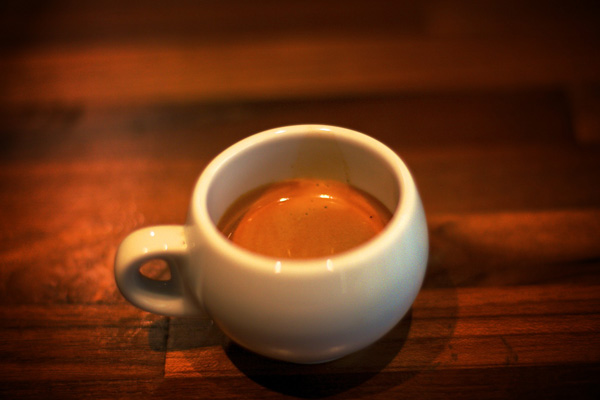
Crema should be a rich, uniform brownish-gold color. No pale spots. No white patches. It needs to be thick enough that if you sprinkle sugar on top, it won’t immediately sink. A thin, broken, or pale crema is a red flag for under-extraction, stale coffee, or poor technique. But the presence of crema alone doesn’t guarantee quality—it’s just the start.
How to Smell Espresso Properly
Smelling espresso is harder than it sounds. Most people take one quick sniff and miss half the story. To really get the aroma, lean in close and exhale gently to clear your nasal passage. Then take a slow, deep breath through your nose. You can also use your hand to waft the aroma toward you—but don’t overdo it, or you’ll just smell your skin.
The goal is to pull complex, layered scents into the deeper parts of your nose. Don’t rush it. Some aromatic compounds only become noticeable after repeated sniffing. A great espresso should have a deep, rich, and nuanced fragrance. If it smells like burnt rubber or chemicals—especially acrid or rubbery notes—it likely came from low-quality Robusta beans, or a bad roast. In that case, it’s better to walk away.
How to Actually Taste Espresso
Drinking espresso isn’t like sipping a filtered coffee. The traditional method is to take a small, gentle sip. Let the coffee hit the front of your tongue first, then glide smoothly back along the palate and over the tongue’s middle and back. After it coats your mouth, gently draw air through your lips to help volatilize the aromas—and swallow slowly.
The texture is key. Good espresso feels thick, viscous, and almost oily in the mouth—like melted butter. It should linger, coating your palate with weight and richness. It’s not thin or watery. If it feels rushed or lacks body, something went wrong in the brewing process.
As for flavor, espresso isn’t just ‘strong coffee.’ The taste should shift and move: starting at the tip of your tongue, traveling to the back, and finishing down your throat. Look for subtle notes beneath the intensity—floral, fruity, woody, or sweet qualities. These layers reveal the true character of the coffee.
What Makes a Great Aftertaste?
The difference between okay espresso and great espresso often comes down to the finish. A well-brewed shot leaves a pleasant, lingering sensation long after you’ve swallowed. That aftertaste should be enjoyable—inviting you to take another sip or simply sit with the flavor.
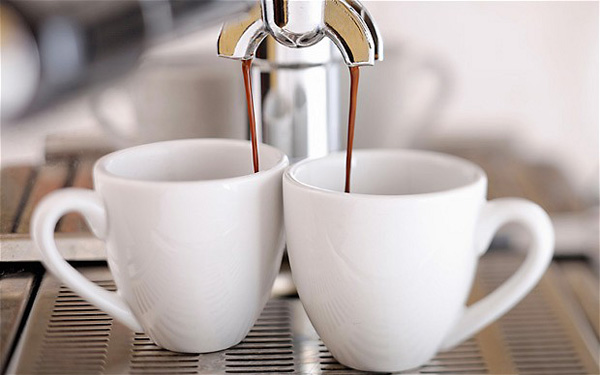
If all you feel is harsh bitterness or a burning sensation, that’s a sign of over-extraction, poor-quality beans, or both. When the finish is unpleasant, it’s time to rethink your approach—or your coffee source.
Frequently Asked Questions
What does good espresso crema look like?
Good espresso crema should be golden brown to dark brown, thick, and velvety. It must be even in color with no pale or white spots. It should be dense enough that sprinkled sugar sits on top for a moment before sinking. Thin, broken, or very light crema indicates under-extraction, poor freshness, or weak pressure during brewing.
Why does my espresso smell burnt?
A burnt or rubbery aroma usually means the coffee used was low-quality—often cheap Robusta—or over-roasted. These flavors suggest poor-quality beans or a roast profile that’s gone too far. A high-quality espresso should never smell like chemicals or burnt rubber.
How should espresso feel in my mouth?
Good espresso should feel thick, syrupy, and smooth—almost like melted butter. It has weight, viscosity, and a lingering mouthcoating effect. It shouldn’t feel watery or thin. If it rushes past your palate or lacks body, the extraction likely wasn’t right.
What flavors should I look for in espresso?
Beyond basic ‘coffee’ flavor, good espresso may express floral, fruity, nutty, woody, or chocolatey notes. These can shift across the palate—from front to back to throat. The best shots have layered flavors that evolve as you taste them.
Is a long aftertaste a sign of good espresso?
Yes. A great espresso leaves a pleasant, complex aftertaste that lingers enjoyably after swallowing. If the finish is harsh, bitter, or overly burnt, it’s a sign the shot wasn’t well-prepared. A good aftertaste invites you to reflect on the coffee rather than rush away from it.
Recommended FrontStreet Beans for Espresso
For espresso, FrontStreet Coffee’s Classic Blend and Commercial Blend offer bold, balanced profiles with notes of dark chocolate, nuts, and toast—ideal for traditional milk drinks and straight shots alike. Their Specialty Blend highlights more nuanced, fruit-forward profiles while still delivering the body needed for espresso. All three blends include a touch of Robusta for added crema and structure, making them reliable choices for home or café baristas. Freshly roasted within 5 days · Orders placed before 17:00 ship the same day · Next-day delivery across most of Guangdong Province.
FrontStreet Coffee is a long-established specialty coffee roaster in Guangzhou China, selling freshly roasted beans from its own farm in Yunnan as well as dozens of carefully selected single-origin beans from around the world for both pour-over and espresso. The products deliver consistently excellent quality and great value, with shipping within 24 hours. Guangzhou's FrontStreet Coffee shop is recommended by many coffee lovers, and the beans are now available online at the Tmall 。
Important Notice :
前街咖啡 FrontStreet Coffee has moved to new addredd:
FrontStreet Coffee Address: 315,Donghua East Road,GuangZhou
Tel:020 38364473