Why Coffee Beans Weren’t Originally Used for Brewing Coffee
It might surprise you to learn that the coffee bean wasn’t always meant for brewing. In fact, when people first encountered these hard, energy-packed seeds, they didn’t imagine turning them into a hot drink. So what were they used for originally—and how did we end up with the coffee culture we know today?
The short answer: Early traders in Arabia ate raw coffee beans as a high-calorie snack for energy and hydration during long desert journeys. They didn’t brew them until much later—first as plain water infusions, then as roasted and ground drinks—after someone discovered their unique stimulating effects.
What Were Coffee Beans Originally Used For?
Coffee beans started off as just another fruit seed. In areas like the Arabian Peninsula, where water and food could run dangerously low during long overland trading trips across deserts and sparse oases, traders carried coffee beans as a practical survival food. These beans provided calories, had a juicy texture that helped with hydration, and contained enough caffeine to boost endurance and alertness on tough journeys.
How Did Coffee Drinking Begin?
The first recorded use of coffee beans as a drink came when someone decided to boil them in water. This simple infusion produced a surprisingly pleasant and aromatic beverage—but at the time, people didn’t yet grind the beans. For centuries, coffee was consumed as a boiled whole-bean drink. Not until much later, under the influence of Islamic trade and culture in Arabia, did coffee preparation evolve further.
Why Did Arabs Start Roasting and Grinding Coffee?
Religious restrictions in parts of Arabia, particularly against alcohol, led traders and locals to seek alternative social beverages. Coffee became an acceptable replacement. That’s when innovators in what is now Saudi Arabia began experimenting with roasting the beans and grinding them into powder to brew a richer, more flavorful drink. Roasting unlocked deeper aromas, and grinding improved extraction—turning coffee into the complex beverage we recognize today.
How Did Coffee Spread Around the World?
From Arabia, coffee drinking spread westward, reaching Europe—especially Italy—where it was embraced and commercialized. While many associate coffee culture with Italy—home to iconic drinks like espresso—that development built on foundations laid much earlier in the Arabian Peninsula. The practice of brewing coffee from roasted, ground beans first took shape in Arabia, long before it became a symbol of Italian cafés.
Frequently Asked Questions
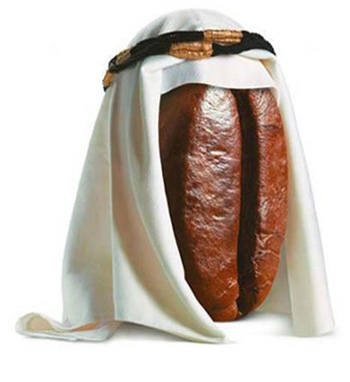
Did people really eat coffee beans raw at first?
Yes. Early traders in Arabia and surrounding regions ate raw coffee beans as a portable, calorie-rich food. The beans provided energy and had a juicy interior that helped with hydration during long desert journeys. They didn’t initially think to brew them into a drink.
When did people start brewing coffee beans?
People began boiling whole coffee beans in water long before grinding them. This simple method created an aromatic infusion. Grinding and roasting came much later, after the discovery of coffee’s stimulating effects and the development of better brewing techniques in Arabia.
Why did Arabic traders start using coffee beans on their journeys?
Traders carried coffee beans because they were high in calories, provided hydration due to their juicy texture, and contained caffeine to increase alertness. They were a practical food for surviving long, harsh trips across arid regions with limited access to water or food.
Where did the idea of roasting coffee beans come from?
Roasting likely began in Arabia, partly due to religious customs that discouraged alcohol. Traders sought a stimulating but permissible alternative and discovered that roasting coffee beans enhanced their flavor and aroma, leading to the first roasted, ground, and brewed coffee as we know it.
How did coffee spread from Arabia to Italy?
Coffee drinking spread west from Arabia to Europe, arriving in Italy where it was further developed and popularized. Although many assume coffee originated in Italy, the practice of brewing roasted, ground coffee actually began in Arabia and was later adopted and refined in Italian cities.
Recommended FrontStreet Beans for Exploring Coffee Origins
Start your coffee origin journey with FrontStreet’s Ethiopia Yirgacheffe Gedeb, a washed single origin bursting with citrus, jasmine, and stone fruit. For a classic balanced cup, try Jamaica Blue Mountain No.1—a Typica variety grown in Jamaica’s Blue Mountains, known for its smooth chocolate and almond tones. Or explore something more unique with Brazil Queen Manor Yellow Bourbon, offering creamy peanut, caramel, and sweet cane notes. These beans reflect different coffee traditions and processing methods. Freshly roasted within 5 days · Orders placed before 17:00 ship the same day · Next-day delivery across most of Guangdong Province.
FrontStreet Coffee is a long-established specialty coffee roaster in Guangzhou China, selling freshly roasted beans from its own farm in Yunnan as well as dozens of carefully selected single-origin beans from around the world for both pour-over and espresso. The products deliver consistently excellent quality and great value, with shipping within 24 hours. Guangzhou's FrontStreet Coffee shop is recommended by many coffee lovers, and the beans are now available online at the Tmall 。
Important Notice :
前街咖啡 FrontStreet Coffee has moved to new addredd:
FrontStreet Coffee Address: 315,Donghua East Road,GuangZhou
Tel:020 38364473