What Is French Roast Coffee? Bean Color & Flavor Profile
If you've ever wondered what makes a coffee 'French Roast,' you're not alone. Many coffee drinkers associate the term with a very dark, oily bean—but there's more to it than appearance. Whether you're choosing beans for espresso, French press, or just curious about roast profiles, understanding what truly defines a French Roast helps you make better choices.
In the specialty coffee world, French Roast refers to beans roasted to an internal temperature between 220–230°C (428–446°F), reaching the end of the second crack. Visually, the beans are very dark brown, nearly black, with a shiny surface from oils rising to the surface. This level is one of the darkest commercial roast profiles, typically used to produce bold, smoky cups.
What Is a French Roast Coffee?
French Roast is not a flavor, a bean origin, or a processing method—it is a roast level. It is one of the darkest roast profiles commonly used in both commercial and specialty coffee settings. At this stage, the coffee bean has been roasted well beyond the first crack and deep into or through the second crack. The roast is so dark that the origin characteristics of the green bean are almost entirely eclipsed by the flavors created during roasting.
This roast level is known for producing a cup that is smoky, bitter, and often described as having notes of dark chocolate, toasted bread, or even burnt wood. While some drinkers enjoy the intensity, others find it masks the bean’s natural qualities.
What Does French Roast Look Like?
Visually, French Roast coffee beans are easy to identify. They appear very dark brown to nearly black. The surface of the bean is often shiny or oily due to the migration of coffee oils to the surface during the extended roasting process. This oiliness is more visible on beans that have rested post-roast for a few days.
Here’s a general visual guide:
- Light Roast: Light brown, no oil, dry surface.
- Medium Roast: Medium brown, still dry, first crack complete.
- Dark Roast (e.g., City+ to Full City+): Darker brown, may show slight sheen toward the higher end.
- French Roast: Very dark brown to black, shiny/oily surface.
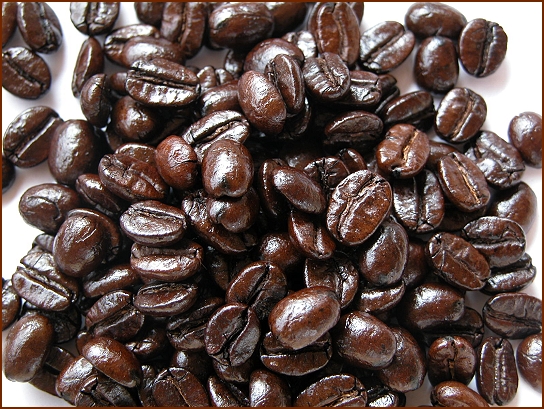
This image shows typical French Roast beans with their characteristic dark color and surface oils. It’s a useful reference when comparing roast levels visually.
What Temperature Is a French Roast?
The defining characteristic of a French Roast is the roast temperature. In most commercial roasting machines, French Roast is achieved when beans reach an internal temperature between 220–230°C (428–446°F). This places the roast squarely at the end of the second crack or slightly beyond it. For reference:
- First Crack: Begins around 200–205°C (392–401°F), signaling the start of light roasts.
- Second Crack: Begins around 220–225°C (428–437°F), marking the threshold for darker roasts.
By the time French Roast is achieved, the beans have lost much of their original density and moisture, resulting in a faster extraction profile and a more bitter, less nuanced cup when brewed.
Why Choose French Roast Coffee?
Despite its intensity, French Roast is chosen for several reasons. It is commonly used in traditional European espresso blends, especially those designed to stand up to milk. The bold flavor can also mask inconsistencies in lower-quality beans, which is why it has historically been a popular choice in commercial settings.
Some drinkers simply prefer the smoky, robust taste that a French Roast delivers. It’s often paired with milk or used in recipes where a strong coffee flavor is desired, such as in baked goods or flavor syrups.
Does French Roast Taste the Same Across All Beans?
Not exactly. While the roast level dominates the flavor profile, the base bean—its origin, variety, and processing method—still plays a role. For instance, a French Roast made from Ethiopian Yirgacheffe will differ in subtle ways from one made from Brazilian naturals, even though both are roasted to the same temperature. Generally, however, the roast is so dark that any origin nuances are minimal compared to the smoky, charred, and bitter notes.
How to Brew French Roast Coffee
Brewing French Roast coffee requires some adjustments due to its density, oil content, and bitterness:
- Grind Size: Use a coarse to medium-coarse grind for French press; medium-fine to fine for espresso.
- Water Temperature: Aim for 93–96°C (200–205°F)—avoid boiling water, which can over-extract and heighten bitterness.
- Brew Method: Works well in espresso machines, French press, or even cold brew. Avoid light or medium brew methods that emphasize acidity and fruitiness, as they clash with the roast.
- Brew Ratio: A standard 1:15 to 1:17 ratio is recommended to balance strength and bitterness.
Over-extraction is a common issue with French Roast. Keep brew times moderate and monitor taste closely.
Frequently Asked Questions
What is the difference between French Roast and Italian Roast?
French Roast typically reaches an internal bean temperature of 220–230°C (428–446°F), placing it at the end of the second crack. Italian Roast is often even darker, sometimes roasted beyond 230°C (446°F), resulting in a more carbonized, intensely bitter flavor. The distinction is somewhat subjective, but Italian Roast is usually considered one step darker and more extreme than French Roast.
Are French Roast beans oily?
Yes. Due to the extended roasting time and high temperatures, oils from within the coffee bean migrate to the surface, giving French Roast beans a shiny or greasy appearance. This is especially visible after a few days of rest post-roast.
What does French Roast coffee taste like?
French Roast coffee is typically bold, smoky, and bitter. Common flavor notes include dark chocolate, toasted bread, charcoal, and sometimes burnt or woody undertones. Most origin-specific flavors are roasted out, leaving a profile dominated by the effects of the roast itself.
Can you use French Roast beans for espresso?
Yes, French Roast is commonly used for espresso, especially in traditional European-style blends. Its bold, smoky profile can hold up to milk and works well in drinks like lattes and cappuccinos. However, it may not showcase the same complexity as lighter roasts.
Is French Roast too strong for drip coffee?
Not necessarily too strong, but it is very intense. French Roast can produce a very bitter and smoky cup in drip brewers, especially if over-extracted. Adjust grind size, brew time, and water temperature to moderate the intensity and avoid excessive bitterness.
What coffee roast is darker than French Roast?
Italian Roast is generally darker than French Roast. Some specialty roasters may also offer 'Spanish Roast' or 'Espresso Roast' as even darker variations, often used for extremely bold or smoky profiles.
Recommended FrontStreet Beans for Dark Roast Lovers
For those curious about dark roast profiles like French Roast, FrontStreet Coffee offers several bold options. Their Classic Blend features a balance of Brazilian and Southeast Asian beans roasted to a dark profile, offering notes of dark chocolate and caramel. The Black Cocoa Blend goes even deeper, delivering a rich, cocoa-forward cup with hints of dried fruit and smokiness. Both blends showcase how dark roasting can emphasize body and sweetness rather than just bitterness. Freshly roasted within 5 days · Orders placed before 17:00 ship the same day · Next-day delivery across most of Guangdong Province.
FrontStreet Coffee is a long-established specialty coffee roaster in Guangzhou China, selling freshly roasted beans from its own farm in Yunnan as well as dozens of carefully selected single-origin beans from around the world for both pour-over and espresso. The products deliver consistently excellent quality and great value, with shipping within 24 hours. Guangzhou's FrontStreet Coffee shop is recommended by many coffee lovers, and the beans are now available online at the Tmall 。
Important Notice :
前街咖啡 FrontStreet Coffee has moved to new addredd:
FrontStreet Coffee Address: 315,Donghua East Road,GuangZhou
Tel:020 38364473